
Your First Reformer Pilates Class: What to Wear, What to Expect, Mistakes to Avoid
Everything you need to know about clothing, equipment, the flow of the session and common mistakes before your first reformer pilates class, from O'Wellness Beytepe.
Dozens of questions come to mind before your first reformer pilates class: what will I wear, what should I bring, which movements will I face? This uncertainty leads many people to postpone their first session or never try it at all; yet with the right preparation, the experience is enjoyable and relaxing. In this guide we walk through what happens step by step in your first class, how to choose the right clothing and equipment, the most common mistakes beginners make and realistic expectations for the first weeks.
What should you wear?
In reformer pilates, clothing choice is about function more than looks. Choose a fitted, flexible pair of leggings and a top so your instructor can clearly see your movements and muscle activation. Loose shorts or wide-leg sweatpants are not recommended; they can catch on the straps and make it harder for the instructor to see your alignment. Avoid clothes with zippers, metal accessories or large buttons; these details can dig into the skin or damage the equipment.
Shoes and socks
Reformer pilates is done barefoot or in grip socks. Many studios require non-slip pilates socks; these provide both hygiene and secure grip on the platform. With ordinary cotton socks it is possible to slip on the platform, which creates a safety risk. If you do not have non-slip pilates socks, you can ask our team beforehand what kind of socks are used in the studio.
What to bring and what to leave behind
| Bring | Do not bring |
|---|---|
| Water bottle | Heavy jewelry, bracelets, long earrings |
| Small towel | Phone (during the session) |
| Non-slip pilates socks | Perfume (strong scents can bother others in the studio) |
| Hair tie (for long hair) | Loose, dangling clothing |
The mat and all equipment are provided by the studio; you do not need to bring personal equipment.
How does the first class unfold step by step?
- Welcome and short chat (5 min): Your instructor asks about your health history, any injuries and your goals; a health declaration form is completed.
- Introduction to the machine (5-10 min): The color codes of the springs, the foot bar, the straps and basic safety rules are explained.
- Footwork series (10 min): The basic series done lying on your back, pushing the foot bar; leg alignment and breathing rhythm settle in here.
- Core and upper body work (15-20 min): Basic movements such as the Hundred, arm series with straps and spinal articulation.
- Stretching and closing (5-10 min): Hip and hamstring stretches and breathwork bring the session to a close.
For more comprehensive information on the general working principle and scientific benefits of reformer pilates, you can look at the related articles on our blog.
What to keep in mind before your first class
- Do not come on an empty or very full stomach: A light meal 1-1.5 hours before the session keeps you comfortable during exercise.
- Arrive early: For your first session, arriving 10-15 minutes early is recommended to fill out forms and get to know the studio.
- Share your health history honestly: Be sure to tell your instructor about back, neck or shoulder issues or if you are pregnant.
- Keep your expectations realistic: Do not expect perfect form in the first session; the reformer is a method with a learning curve.
The most common beginner mistakes
1. Holding your breath
Holding your breath during effort prevents the core muscles from working effectively and creates tension. As a rule, you exhale at the moment of effort and inhale during the preparation phase.
2. Pulling with the neck
Trying to lift the head with the hands or the neck muscles during abdominal movements leads to neck strain. The correct technique is to lift the rib cage using the abdominal muscles.
3. Letting the platform go uncontrolled
The return of the platform (carriage) against the spring is as important a part of the movement as the push. A loud, fast return is a sign of lack of control.
4. Thinking “a heavier spring is better”
In some exercises a light spring is harder than a heavy one because it demands balance and control. Using the spring your instructor recommends is important for proper muscle activation.
5. Comparing yourself to others
Seeing the person next to you move more fluidly in a group class can lower your motivation. The reformer is an individual learning process; everyone progresses at a different pace.
What can you expect to feel after the first session?
After the first 1-2 sessions, mild muscle soreness (delayed onset muscle soreness), especially in the abdomen, inner thighs and hips, is normal and usually fades within 48 hours. Sharp, stabbing or joint-related pain is not normal; in that case you need to tell your instructor or our sports physiotherapist. Feeling mild fatigue after the first session is also natural; drinking plenty of water and gentle stretching support recovery.
Should you start with a private or group class?
| Format | Advantage | Who it suits |
|---|---|---|
| Private | Individual feedback, a tempo tailored to you | People with an injury history, complete beginners |
| Duo (2 people) | Individual attention plus social motivation | Those who want to start with a friend or partner |
| Group class | Economical, energetic atmosphere | Participants familiar with the basics who seek motivation |
For complete beginners, starting with a private or duo format and moving to a group class after a few weeks both builds confidence and lets the basic alignment settle correctly. The Private Reformer Pilates service at O'Wellness Beytepe is a suitable option for this start.
Realistic progress expectations for the first month
In the first week, the aim is to get used to the machine and the basic movements. In the second and third weeks, breath-movement coordination and core control begin to become noticeable. By the end of the fourth week, most participants notice they can move the platform more quietly and in a controlled way and feel a slight improvement in posture. Being patient during this process and focusing on small but consistent gains instead of expecting quick results is the most important factor for long-term outcomes.
Special situations related to your health
If you have a herniated disc, a neck problem, are pregnant or are in the post-surgery period, be sure to share this with your instructor and, if needed, your doctor before the first class. Movements are modified in line with this information and, if necessary, a starting plan is created together with our sports physiotherapist. If you have a chronic condition, it is important to consult your doctor before starting an exercise program.
Tips for continuing after the first class
After completing the first session, it helps to set a fixed day and time in your weekly schedule to build consistency; you can look at our weekly schedule page for details. Combining your reformer sessions with a complementary class such as Mat Pilates helps reinforce the movements you have learned. You can also visit our instructors page to determine the most suitable instructor and program for you.
The first session experience at O'Wellness Beytepe
Our Reformer Pilates studio in the Yaka Beytepe complex is equipped with Balanced Body machines, and sessions are run with groups of at most 6-8 people, so the instructor can follow each participant’s alignment individually. The free facility tour and trial session we offer before membership let you try reformer pilates with your own body without any commitment. You can look at our Reformer Pilates page for detailed service information.
Practical questions people ask before the first class
Can I wear makeup?
Light makeup is not a problem, but since heavy sweating is expected, it is recommended to avoid heavy makeup. Because oily skincare formulas can cause slipping on the straps, keeping your hands clean and dry is helpful.
What if I am late for the session?
Because reformer sessions start with a warm-up, being late can affect both your safety and the flow of the class. If possible, try to arrive at least 10 minutes early; if you will be late, it is recommended to inform the club in advance.
How many people are in a group?
Because the number of reformer machines is limited, groups are kept small, which allows the instructor to give individual attention to each participant. Unlike a crowded gym class, on the reformer the instructor knows you by name and watches your movements closely.
Three things to focus on in your first three sessions
- Breathing rhythm: Try to understand in which breath phase each movement is done; this will become automatic in later sessions.
- Basic alignment: Internalize basic posture rules such as neutral spine position and keeping shoulders away from the ears.
- Platform control: Make sure the carriage moves quietly and smoothly as you push it out and bring it back; this is a sign of control.
Focusing on these three fundamentals in your first three sessions, rather than rushing to advanced movements or heavy springs, lets you progress much faster in the long run.
The first class by age and physical condition
The first class experience is not the same for a young, active athlete and for someone over 50 who has not exercised for a long time. Instructors adjust the tempo and spring resistance according to age, movement history and current physical condition. For example, athletes can be given a somewhat more challenging tempo from the first session, while more time is spent on basic movements with people who have been inactive for a long time. This personalization is one of the main reasons reformer pilates is safe for people of different ages and levels.
Which class combinations can you move to after the first class?
Once you have learned the basic movements, you may want to diversify your program. You can add classes such as Deep Stretch Yoga to support flexibility and Booty Class to strengthen the hips and legs. Such combinations help you carry the core control and alignment awareness you learn on the reformer into your daily movements and other classes more quickly.
The importance of getting feedback after the first session
Do not hesitate to ask your instructor for feedback after the session. Sharing which movements you struggled with and in which areas you felt tension lets the next session be planned more effectively for you. In reformer pilates, progress depends to a large extent on the quality of communication between instructor and participant; participants who communicate openly generally progress faster and more safely.
Frequently asked questions
I am going to reformer pilates for the first time. What should I wear?
A fitted, flexible pair of leggings and a top with non-slip pilates socks is enough. Avoid loose clothes and clothes with zippers.
At what level do you start in the first class?
Everyone starts with the basic movements; your instructor adjusts the spring resistance and tempo according to your experience.
How long does muscle soreness last after the first session?
It usually fades within 48 hours. Sharp joint pain is not normal; if you have it, tell your instructor.
Where should I start my first reformer class in Ankara?
You can start with a free facility tour and trial session at O'Wellness Beytepe in Yaka Beytepe and choose a private or small group format.
Is going to the first class alone intimidating?
No; your instructor welcomes you personally and stays with you throughout. Many participants come to their first session alone and quickly get used to the studio environment.
You can plan your free facility tour and trial session for your first reformer pilates class through our contact page.
Related posts
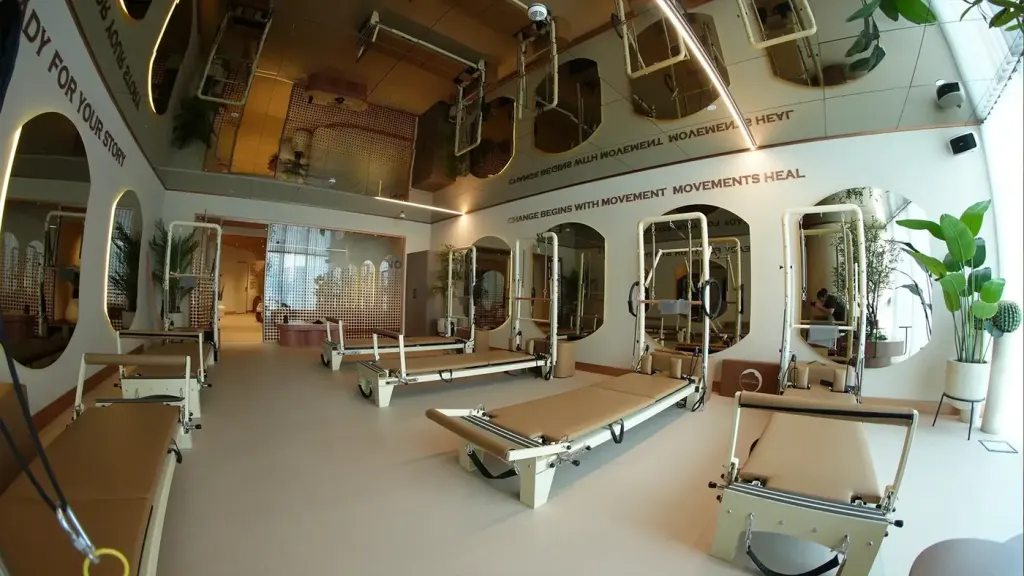
10 criteria to consider when choosing a reformer pilates studio in Beytepe
The 10 criteria to check when choosing a reformer Pilates studio in Beytepe, from equipment and class size to instructors and membership flexibility.
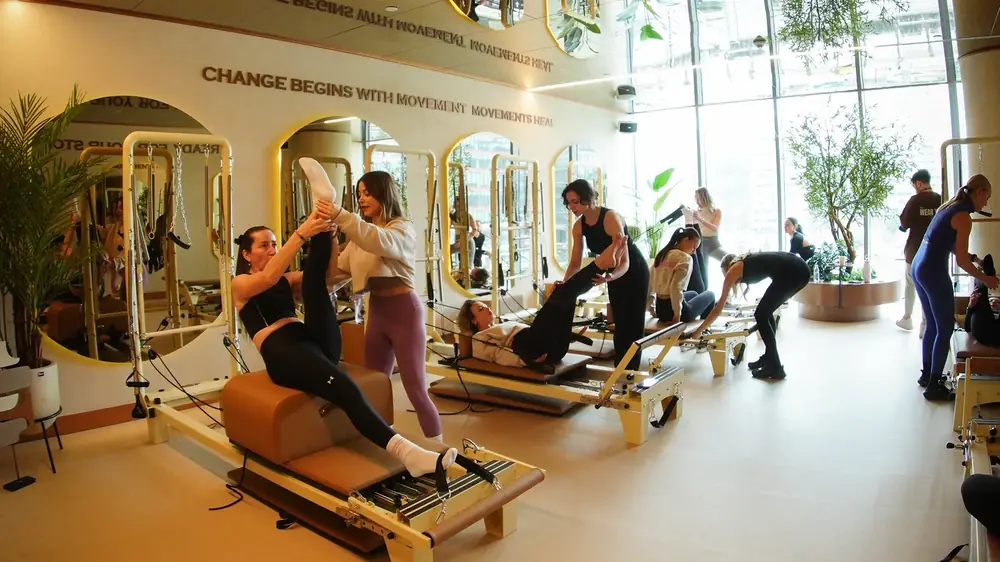
Reformer Pilates for Men: Why Strength Athletes Are Turning to the Reformer
Why are strength athletes turning to the reformer? We explain its contribution to mobility, deep core control, asymmetry correction and eccentric control.
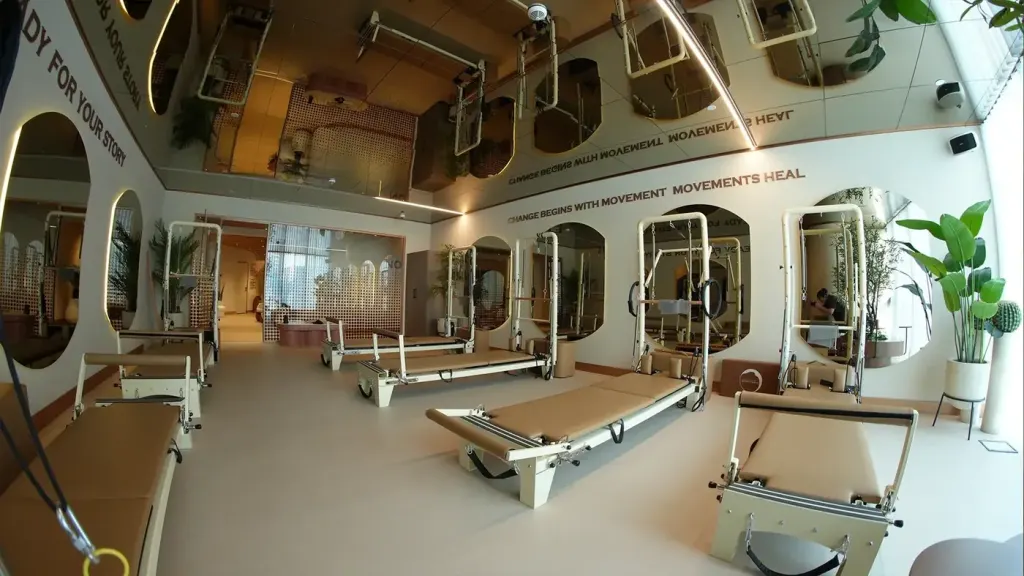
Reformer Pilates or Mat Pilates? Differences, Benefits and the Right Choice
We compare Reformer and Mat Pilates in terms of resistance, target group and combination to help you make the right choice.
