
Postnatal Reformer Pilates: Core and Pelvic Floor Recovery
Postnatal Pilates brings the core and pelvic floor muscles back online step by step. We cover when to start, first priorities and warning signs to watch for.
In the weeks after birth, the body works to undo the changes built up over nine months: the abdominal muscles may have separated, the pelvic floor may have lost strength and posture may have shifted. Postnatal Pilates supports this process with an unhurried, step-by-step reactivation. In this article we explain when you should start, what to prioritize in the first weeks and why the reformer is a useful tool during this period.
When should you start?
For women who have had an uncomplicated vaginal birth, exercise is generally recommended to start about 6 weeks after delivery, and after a caesarean 8-10 weeks later depending on surgical healing, with the approval of your obstetrician. These timeframes are only a general guide; in cases such as an episiotomy, tearing or surgical complications, your doctor may set a different timeline. Always get clearance at your follow-up check before starting to exercise.
The first goal is reconnection, not strength
In the first weeks after birth, the aim is not high-intensity work but re-establishing communication between the brain and the muscles. The pelvic floor and the deep abdominal muscle (transversus abdominis) may have lengthened during pregnancy and their coordination may have weakened. That is why the program follows this order:
- Breathing and pelvic floor awareness: Gently engaging the pelvic floor together with diaphragmatic breathing.
- Deep abdominal activation: Waking up the transversus abdominis at low intensity, without resorting to classic crunches.
- Diastasis recti assessment and management: Adapting movements if there is abdominal separation.
- Gradual load increase: Raising resistance and movement complexity over the weeks.
Why the reformer suits the postnatal period
- Finely adjustable resistance: Because the springs can be set very light, weakened muscles work without being overloaded.
- Supported positions: The straps and platform help keep intra-abdominal pressure under control.
- Visual and physical feedback: The movement of the carriage shows the instructor whether the muscles are engaging in the right order.
- Room for gradual progression: The same sequence can be made harder over the weeks by increasing spring resistance, with no need to switch equipment.
Diastasis recti: separated abdominal muscles
During pregnancy, the connective tissue along the midline of the abdomen (the linea alba) stretches; after birth the gap closes somewhat, but in some women it clearly persists. Classic sit-ups or movements requiring intense abdominal contraction are avoided in the first months because they can worsen the separation. Instead, movements that target the transversus abdominis without putting pressure on the midline are chosen, such as side-lying work and breathing exercises combined with gentle pelvic floor activation. If the separation is pronounced or painful, an assessment by a sports physiotherapist is helpful; see our private services page for details.
Sample progression by week
| Period | Focus | Example work |
|---|---|---|
| Weeks 6-8 (after medical clearance) | Breathing, pelvic floor awareness | Lying breathing work, light footwork |
| Weeks 9-12 | Deep core activation | Controlled pelvic tilts, side-lying work |
| Weeks 13-16 | Gradual strengthening | Arm and leg series with light resistance, easy plank variations |
| Week 17 onwards | Functional strength | Whole-body integrated series, increasing resistance levels |
This table offers only a general framework; factors such as breastfeeding, sleep patterns and type of birth change the pace of progress. Your instructor adapts the program in every session based on how you are that day.
Mental recovery and social support
The postnatal period is as emotionally intense as it is physical. Short, regular reformer sessions give mothers a chance to set aside part of the day for themselves, be in a social setting and build a routine. This effect adds to the physical benefits of exercise and supports recovery as a whole. However, if there are clear signs of postnatal depression or anxiety, exercise can be a complement but is no substitute for professional support.
Posture and shoulder health
Carrying the baby, breastfeeding positions and lack of sleep can cause the shoulders to round forward and tension to build in the upper back. Chest- and shoulder-opening movements with straps on the reformer and gentle back extensions help balance this postural load. Mobility & Stretching classes in the O'Soul studio can also help here.
Signs to watch for
- A feeling of heaviness in the pelvic area or urinary leakage during or after exercise may indicate pelvic floor dysfunction; in this case consulting your doctor is recommended.
- If a noticeable bulge (doming) appears along the abdominal midline, the intensity of the movement should be reduced and an assessment arranged if needed.
- If excessive fatigue or back and hip pain becomes persistent, the program should be reviewed.
Session frequency and duration
In the first months, 1-2 short, low-intensity sessions a week are usually enough; over time and with medical approval you can move up to 2-3 sessions a week. Session length is also extended step by step: short 30-minute sessions in the first weeks, building up to 45-50 minutes later. Consistency matters more than frequency here; short but regular sessions give more reliable results than infrequent long ones.
Exercising while breastfeeding
Breastfeeding is no barrier to exercise; it is generally accepted that moderate-intensity activity does not negatively affect milk production. For comfort, it is recommended to breastfeed or pump before the session and to wear a supportive sports bra. Make sure you stay well hydrated, too.
Common mistakes
- Starting without medical clearance: Healing progresses at a different pace for every woman; starting exercise without a follow-up check can impair the healing of stitches or internal tissues.
- Rushing to get back to pre-pregnancy shape: Starting at an intense pace can overload a pelvic floor and abdominal wall that have not yet recovered.
- Returning to classic sit-ups too early: Starting intense abdominal work without assessing diastasis recti can widen the separation.
- Skipping pelvic floor work: Focusing only on visible muscles (abs, glutes) and neglecting the pelvic floor can lead to functional problems in the long run.
- Ignoring sleep and nutrition: Recovery happens not only through exercise but also through rest and adequate nutrition; loading a heavy program onto a tired body can backfire.
Who it is not suitable for, and who should be cautious
- Exercise should not begin if caesarean wound healing is incomplete and medical clearance has not been given.
- If postnatal bleeding, signs of infection or severe pain continue, medical assessment comes first.
- If pelvic organ prolapse is suspected, an assessment by an obstetrician or pelvic floor physiotherapist is needed first.
- If there are signs of postnatal depression or anxiety, an exercise program can be supportive but does not replace professional mental health care.
How to assess progress
Progress in postnatal recovery is assessed through signs such as less fatigue in daily tasks like lifting the baby or standing for long periods, a reduction in any doming along the abdominal midline, being able to consciously feel pelvic floor activation, and easing of back and shoulder tension. Instructors usually carry out a short assessment every 3-4 weeks to move the program to the next stage. The key is to progress according to your personal recovery pace rather than a fixed timeline.
Sample 12-week progression plan
| Week | Focus | Example movements |
|---|---|---|
| 1-2 (after medical clearance) | Breathing and pelvic floor awareness | Lying diaphragmatic breathing, light pelvic floor activation, short footwork |
| 3-4 | Reconnecting with the deep core | Controlled pelvic tilts, side-lying trunk stabilization |
| 5-8 | Gradual strengthening | Arm and leg series with light resistance, supported plank variations |
| 9-12 | Functional integration | Standing balance work, whole-body series, transfer to daily movement |
An example journey
A member who gave birth by caesarean and received clearance from her doctor at her eight-week check reports mild separation along the abdominal midline and general fatigue in her first session. The first two weeks focus only on breathing and pelvic floor activation; in week four, light-resistance footwork and side-lying work are added. By week eight, the doming along the midline has visibly decreased and the member says she feels less back fatigue while caring for her baby. In week twelve she moves on to light-paced whole-body series. This is only a general example; the actual timeline varies from person to person.
Equipment and technical details
In postnatal sessions, instructors usually start with the lightest spring resistance and add extra cushions on the carriage to increase back and pelvic support. In strap work, the range of motion is deliberately kept small; the aim is first to re-establish the correct muscle activation order, deep core first and superficial muscles second. Resistance and range of motion are increased gradually while monitoring tension along the abdominal midline and pelvic floor control.
Combining with other classes
Alongside reformer sessions, light-paced Mat Pilates classes are a good complement for reinforcing the core activation pattern you have learned. Mobility & Stretching classes are recommended to reduce shoulder and back tension. As general fitness returns, you can gradually move into cardio-focused classes such as O'Ride Cycle with medical approval.
Connecting with core reformer knowledge
Those who want to understand the reformer's working logic, spring resistance and the six core Pilates principles in more depth can read our article "What Is Reformer Pilates?". The postnatal program is a special adaptation built on these core principles that begins at low intensity.
Postnatal support at O'Wellness Beytepe
At our Reformer Pilates studio in Yaka Beytepe, equipped with Balanced Body machines, Private Reformer Pilates sessions suited to the postnatal period can be scheduled, while group sessions are held with a maximum of 6-8 people. Once you have your doctor's approval, our instructors build a progressive program with you and work alongside our sports physiotherapist when needed. For mothers living around Çayyolu, Ümitköy, İncek or Bilkent, the complex's car park also makes getting here easier.
Frequently asked questions
When can I start postnatal Reformer Pilates?
It is generally recommended to start 6 weeks after a vaginal birth, or 8-10 weeks after a caesarean, once you have medical clearance. This timeframe may vary with your personal healing process.
My abdominal muscles have separated. Can I exercise?
Yes, but you should start with gentle movements that target the transversus abdominis and do not worsen the separation, rather than classic abdominal exercises. For pronounced separation, an assessment by a sports physiotherapist is recommended.
I experience urinary leakage. Can the reformer help?
Reformer work focused on pelvic floor activation can help, but if leakage is significant it is recommended to consult your doctor first and, if needed, receive pelvic floor physiotherapy.
Why O'Wellness Beytepe for postnatal Pilates in Ankara?
With private and small-group session options, experienced instructors and sports physiotherapist support under the same roof, our studio in Yaka Beytepe helps you manage your postnatal recovery safely and gradually.
What to expect in the long term
Postnatal recovery does not move in a straight line; after a good week, feeling as though you are going backwards because of fatigue or lack of sleep is normal. The aim of the program is not to meet a set timeline but to return step by step, safely and sustainably, to your former strength and function. Staying in regular contact with your instructor keeps the program realistic through this up-and-down process.
Get in touch to talk about your postnatal recovery program, and let us plan a suitable first assessment session together at our studio in Yaka Beytepe.
Related posts
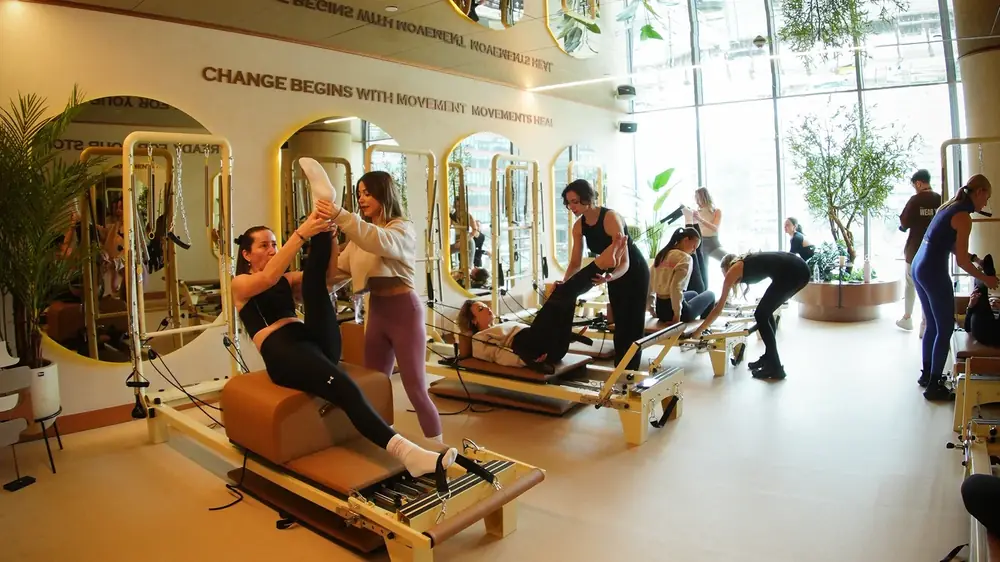
Is Muscle Soreness After Reformer Pilates Normal? Recovery Tips
Muscle soreness after Reformer Pilates is usually a harmless adaptation response. We explain the causes, how to recognise pain that needs attention and the methods that speed up recovery.

Reformer Pilates for Desk Workers: Neck, Shoulder and Hip Balance
What long sitting does to the neck, shoulders and hips, and the support Reformer Pilates can offer for these imbalances.
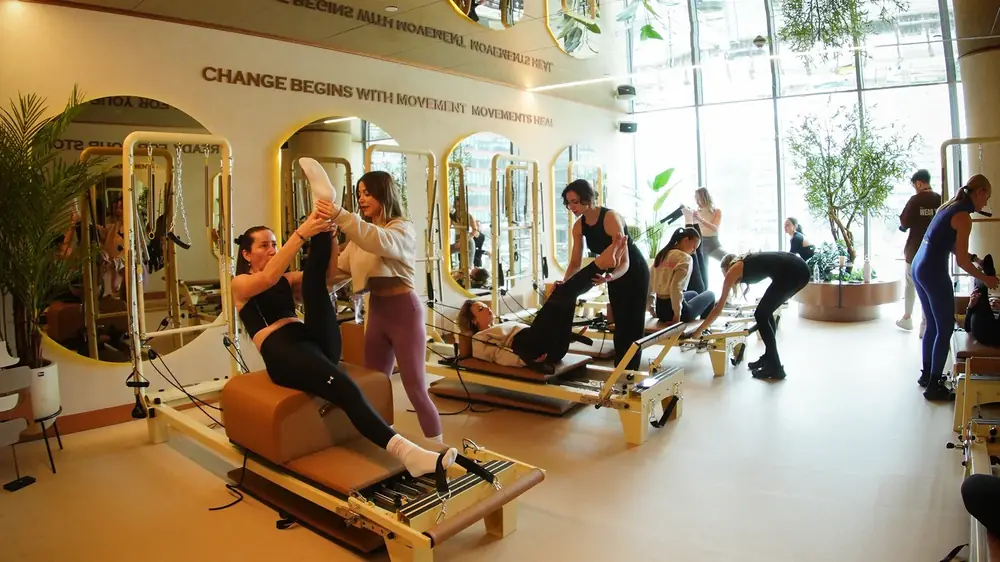
One-to-One Reformer Pilates or Group Class? The Right Format for Your Goal
We compare one-to-one Reformer Pilates and group classes on personalisation, learning speed, motivation and cost to help you pick the right format.
