
Pelvic Floor Friendly Training: Foundational Awareness with Reformer Pilates
The pelvic floor works together with the abdominals, hips and breath. How can reformer pilates' controlled structure help build this awareness?
Pelvik taban kasları, çoğu zaman antrenman programlarında yeterince konuşulmayan ama gündelik hareketin merkezinde yer alan bir bölgedir. Pelvik taban ve reformer pilates ilişkisi, nefes, karın kasları ve kalça ile bağlantılı bir farkındalık çalışmasına dayanır. Bu yazı genel bilgi içindir; pelvik taban ile ilgili bir şikâyetiniz varsa, antrenmana başlamadan önce bir kadın doğum uzmanı, üroloji uzmanı veya pelvik taban fizyoterapistine başvurmanız önemlidir.
What is the pelvic floor and why does it matter?
The pelvic floor is the group of muscles and connective tissue that stretches like a hammock across the lower pelvis. It supports organs, contributes to posture and trunk stability, and moves together with the breath. Together with the diaphragm, deep abdominal muscles and back muscles it forms a kind of internal pressure system.
This region matters not only before and after childbirth but at every stage of life. It is constantly engaged in everyday situations such as heavy lifting, coughing, jumping and long periods of sitting. For that reason, developing awareness of it may also be reflected in overall movement quality.
Constantly clenching the pelvic floor does not mean it is working well. Healthy function means that muscles can contract when needed and relax when needed. This balance overlaps with the idea of control at the center of pilates principles.
Why is the reformer a suitable tool?
The springs on the reformer provide controlled resistance and encourage slow, conscious movement. Positions done lying down reduce the load that gravity places on the pelvic floor, making it easier to focus on feeling the area. Building basic awareness in a horizontal position before moving to upright, weight-bearing movements is a commonly used approach.
The load can be changed per person with the spring setting. This reduces the sense of strain and lets you perform the movement quietly with the breath. Because the correct position and sequence can be provided under instructor supervision, individual adaptations are also possible.
Even so, the reformer does not replace medical treatment. If you have an existing pelvic floor problem, you should begin with suitable movements under the guidance of an expert.
One of the most fundamental elements of pilates is lateral breathing. As you inhale, the ribs expand sideways and backward, the diaphragm descends and the pelvic floor softens slightly. As you exhale, the diaphragm rises and the pelvic floor gently recoils. Feeling this natural rhythm is the first step of awareness.
At the beginning it is good to explore this connection by simply observing, without force. Looking for a light lifting sensation on the exhale instead of squeezing very hard is generally a more sustainable approach. The instructor's verbal cues guide you here.
Holding the breath and constantly pulling the abdominals in can increase internal pressure and place extra load on the pelvic floor. Instead, combining the movement with a fluid breathing rhythm is the more balanced way of protecting the area.
Points to focus on
- If you experience leaking, a feeling of pelvic heaviness or pain during movement, stop the session and see a specialist.
- Do not hold your breath; do the effortful part of the movement while exhaling.
- Prefer small, controlled movements to large ranges of motion.
- Keep the spring setting at a level you can control comfortably.
- Tell your instructor about any special situation concerning this area in advance.
These points can be seen as a simple checklist for making the awareness practice progress safely and productively. Every body has different needs, and individual assessment always takes precedence over general rules.
Connection with strength training and jumping
Carrying the sense of control gained on the reformer over to weight training and jumping movements is a process spread over time. Learning how to manage breath and trunk pressure during a heavy deadlift or squat is a skill tied to the pelvic floor. The slow tempo on the reformer works as a suitable laboratory for establishing this connection.
Those who want to return to jumping movements may prefer to begin with low-impact movements and progress gradually. If any discomfort arises, stopping progression and talking to a specialist is the safest approach. Discussing this plan with an instructor in reformer classes at O'Wellness Beytepe can also be helpful.
In pregnancy and the postpartum period the pelvic floor requires special attention. Before starting or continuing any exercise program in this period you must get your doctor's approval. The person who determines what is suitable and when in the first postpartum weeks is your care team; a reformer class does not replace that decision. Even after approval, starting with small, controlled movements and focusing on breath is the safer approach.
Postpartum pelvic floor physiotherapy is offered as routine support in many countries. Getting information about it and having an individual assessment makes it easier to understand which movements are suitable for you in the following months. Reformer pilates can be planned as a supportive form of exercise after this process.
Awareness in daily life
Pelvic floor awareness can be developed not just in the studio but in daily life. Observing your breathing while seated on a chair, exhaling as you lift a heavy bag and changing position after sitting for a long time are small exercises that reinforce awareness. This does not mean you must constantly check yourself; over time they turn into a natural habit.
For academics and students who work at a desk, sitting for long periods can create a feeling of tension in the hips and pelvic region. Standing up every hour, taking a deep breath and gently relaxing the hips may help manage this feeling. If there is pain or persistent discomfort, seeing a specialist is always the right step.
Patient and realistic expectations
Pelvic floor awareness is a skill that develops over weeks and months, not days. Having difficulty feeling the area in the first classes is entirely normal. The body establishes the connection over time. Instead of comparing yourself with others, track your own progress through small signs: breath flowing more easily, the trunk feeling more balanced.
What is described in this article is educational and does not replace the diagnosis or treatment of a personal health problem. Every body has a different history, needs and limits. For that reason expert assessment and open communication with the instructor are the foundation of safe and productive work.
If you have curiosity or doubts about the pelvic floor, talking about it with your instructor can be a first step. Instructors are generally familiar with these topics and can adapt movements accordingly. Referring you to a suitable specialist when necessary is also the instructor's responsibility. Open communication increases both your safety and the benefit you gain from class.
In conclusion, pelvic floor awareness is not a performance goal but a way of getting to know the body better. The controlled structure of reformer pilates can ease this acquaintance by offering the chance to move slowly with the breath. Yet always getting expert support according to your individual situation is the right approach for both safety and benefit.
Remember that knowledge in this area is constantly updated and expert opinions may change over time. For this reason getting current recommendations from your health professionals is always the most accurate source. This article should be seen as a general starting point that helps you formulate your questions better.
Frequently Asked Questions
Are pelvic floor exercises necessary for everyone?
Everyone's need is different. In some people strengthening the muscles is needed, in others relaxing them. That is why seeing a specialist for individual assessment is important.
Does reformer pilates cure leaking?
We cannot promise that. If you have a complaint, see a health professional; pilates can be a supportive part of your program with an expert's approval.
What should I do before starting a class?
Tell your instructor about your specific situation and consult your physician if needed. Keeping movements small and controlled in the first classes is a good start.
Related posts
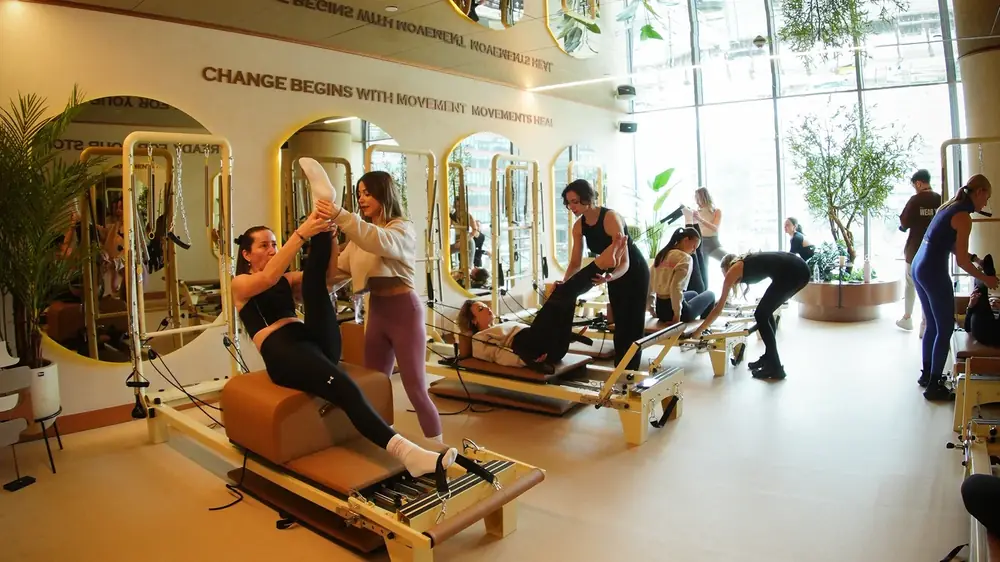
Reformer Pilates Levels: What Changes at Beginner, Intermediate and Advanced?
We explain Reformer Pilates levels through spring resistance, movement speed and repertoire complexity, and when to move up to the next level.
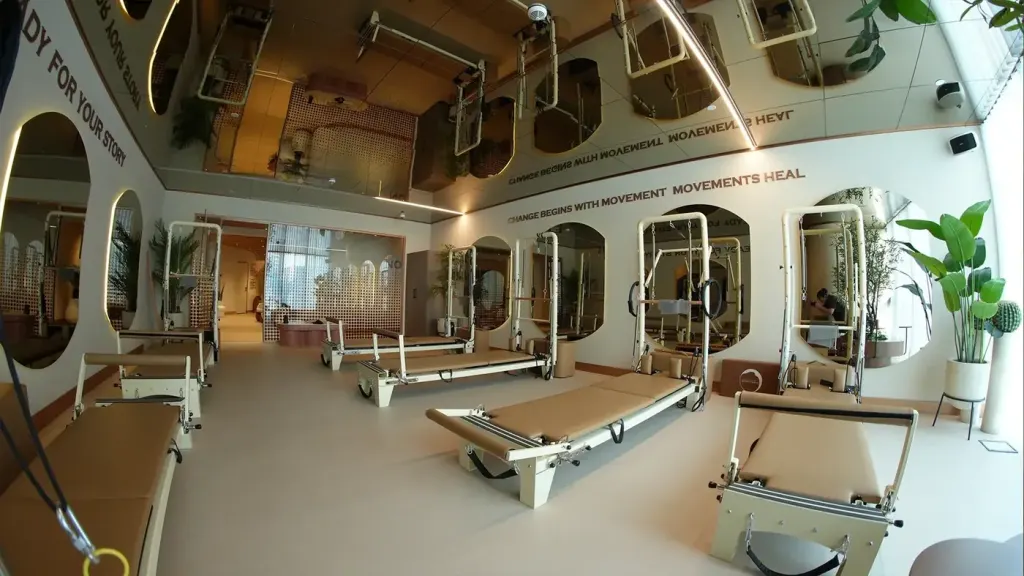
Reformer Pilates or Mat Pilates? Differences, Benefits and the Right Choice
We compare Reformer and Mat Pilates in terms of resistance, target group and combination to help you make the right choice.
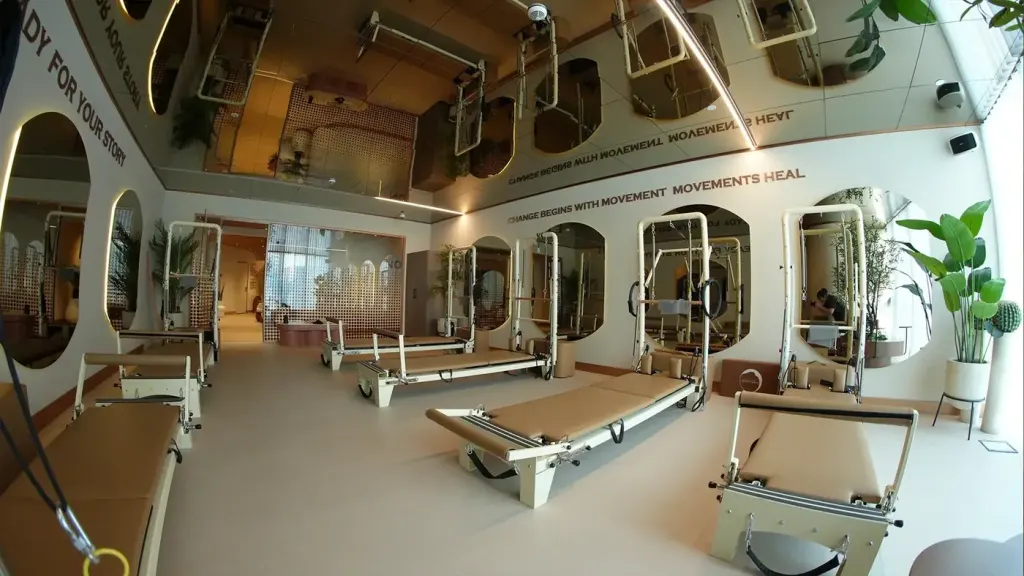
How to Choose Reformer Spring Load: A Light Spring Is Not Always Easier
The most surprising thing in reformer pilates is that a light spring can sometimes be harder. We explain the logic of spring load, communication with your instructor and what to watch when choosing.
