
How to Choose Reformer Spring Load: A Light Spring Is Not Always Easier
The most surprising thing in reformer pilates is that a light spring can sometimes be harder. We explain the logic of spring load, communication with your instructor and what to watch when choosing.
One of the questions beginners most often ask when first starting reformer pilates is: 'How should I choose the spring load?' Many people assume that a heavy spring is hard and a light spring easy. Yet one of the most interesting aspects of reformer pilates is that in some movements a light spring can be far more challenging. In this article we explain the logic of reformer spring load in plain language and describe what to watch when choosing.
The instructors guiding your classes in the O'Wellness Beytepe reformer studio usually recommend the spring setting according to the flow of the class. Still, knowing the logic is valuable for both your safety and movement quality. If you have health issues, always tell your instructor before class.
How Do the Springs Work?
A reformer has a moving platform that is pushed or pulled by the feet or hands against springs. The springs provide resistance to the platform's movement. Using more or stiffer springs makes the platform feel heavier to push, but supports the return movement as you bring the platform back under control. This two-way effect makes spring load less intuitive.
For this reason each movement has its own spring logic. In some movements the springs help you carry body weight; in others they create difficulty by demanding stabilisation. The same spring setting can affect the difficulty of two different movements entirely differently.
Why Is a Light Spring Sometimes Harder?
In pushing movements such as footwork, a heavier spring holds the platform more steadily because the springs support the body. With a light spring the platform moves more freely, and the core, hips and ankle stabilisers have to work harder to control it. When control becomes harder, movement is slower and more careful.
Especially in movements demanding balance and stabilisation, such as standing or on one leg, a light spring tests your stance. For a beginner this is not an 'easy' setting but a more demanding one. So following the instructor's recommendation and asking about the real aim of the movement is important.
- A heavy spring keeps the platform stable in most pushing movements.
- A light spring increases the demand for control and stabilisation.
- The same spring has different effects in different movements.
- The right spring lets you complete the movement without breaking technique.
- If unsure, ask the instructor.
Tips for Finding the Right Spring
The quality of movement is the best measure of spring choice. If the platform bangs uncontrolled, if you feel tension in the spine or neck, or if you are holding your breath, the spring is probably not right for you. If the movement is smooth, breathing steady and you feel the working area clearly, you are on the right track.
As your strength grows you may need to change the spring load over time. But progress does not only mean heavier or lighter springs; slowing the tempo, enlarging the range or lengthening the control time of a movement are also ways to increase difficulty.
Communicating with Your Instructor
Your instructor is the person who recommends the spring setting and, watching you, changes it if necessary. Do not hesitate to say how the movement feels: 'This movement gives me lower-back tension' or 'I cannot control the platform' is enough information for the setting to be changed. Instructors value this feedback.
When a spring needs changing during a movement, it is better to put the equipment down safely and get help from the instructor. Springs are loaded equipment and sudden changes can cause injury. Safe use comes before everything.
Movement Examples: Spring Logic in Practice
In the footwork movement, the feet are placed on the foot bar opposite the platform and the legs are extended and bent. For most people a medium or heavy spring here helps support the legs and maintain alignment of foot, knee and hip. When you move to a light spring, the platform moves more freely and controlling the return and keeping breath rhythm requires more attention. This difference can be a surprising experience in the first classes and is very instructive for understanding the body's control mechanism.
In arm and back work with straps, a light spring in movements emphasises control of the shoulder girdle. A heavy spring offers stronger resistance but can make it harder to maintain form. In both cases the goal is to keep the shoulders away from the ears and perform the movement together with spinal stability. The instructor's spring recommendation usually serves this goal.
Progressing from Beginner Level
In the first weeks, while learning movement names and flow, it is best to leave the spring choice to the instructor. After a few weeks you begin to notice how each movement feels in you. At that point, being open to suggestions such as 'Would you like to try this movement with a lighter spring today?' speeds up your progress. Aim for control and quality rather than struggle, since reformer pilates is not a strength contest.
In situations such as pregnancy, return from injury or chronic conditions, spring and movement choice need special attention. In such cases getting your doctor's approval and informing your instructor are the first steps to safe progress.
Safety Reminders Before and During Class
Before using the reformer, make sure the platform and straps sit properly; if you notice any problem with the equipment, tell the instructor immediately. When sitting and getting up, be careful with the foot bar and the platform edge, and keep fingers and toes away from the springs. Straps and handles should not be left uncontrolled and should be returned slowly at the end of a movement. Long hair and loose clothing should be tied back and kept close to the body so they do not catch in the springs. These small precautions are vital for the safety of both you and those around you. If you are unsure of a movement during class, stopping to ask is never wrong; instructors expect and support exactly that.
Common Mistakes
The most common mistake is equating heavy spring with strength and keeping it unnecessarily heavy. Another is losing control under the assumption that 'a light spring is easy'. Another is comparing with others; the member next to you may use a spring unrelated to your needs. Focus on your own body and technique.
There is also a matter of mindset. Do not see spring choice as an indicator of success or failure; it is a tool that can change with today's body, sleep and energy. Doing the same movement with a heavy spring one day and a light one the next is entirely normal. What matters is understanding the aim of the movement, keeping your breath and feeling control in each rep. Over time you develop an instinctive knowledge about spring choice and a much clearer language with your instructor. This knowledge guides you not just on the reformer but in other strength work too.
The aim of reformer pilates is not to show off spring weight but to move with control and awareness. Finding this balance together with our instructors at O'Wellness Beytepe is the basis of your progress. You just focus on feeling the movement and asking your questions.
Related posts
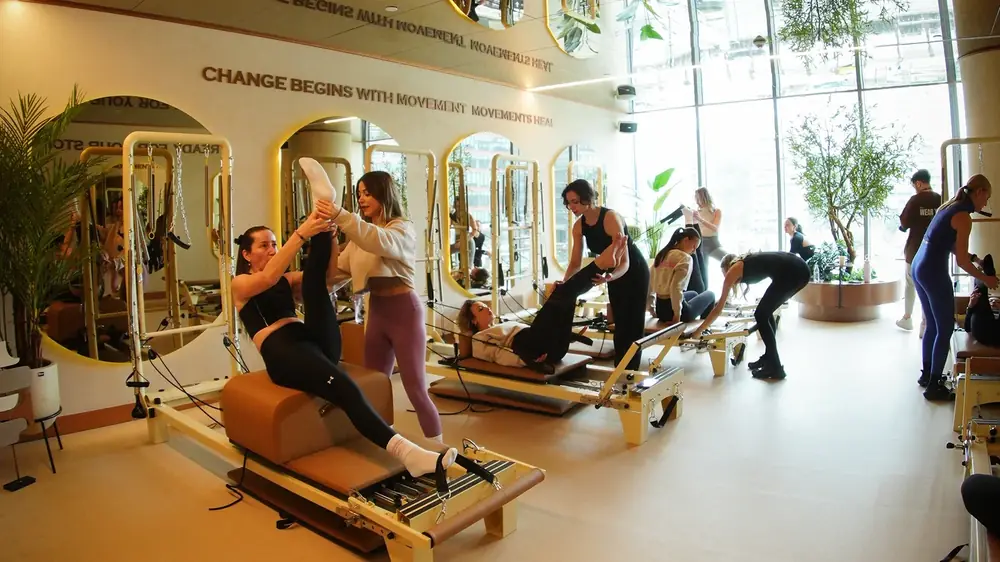
Reformer Pilates for Golf, Tennis and Padel Players: Rotational Power and Shoulder Health
A golf swing, a tennis serve and a padel smash are asymmetrical movements repeated thousands of times in the same direction. Reformer Pilates helps offset that imbalance with rotational power and shoulder control.
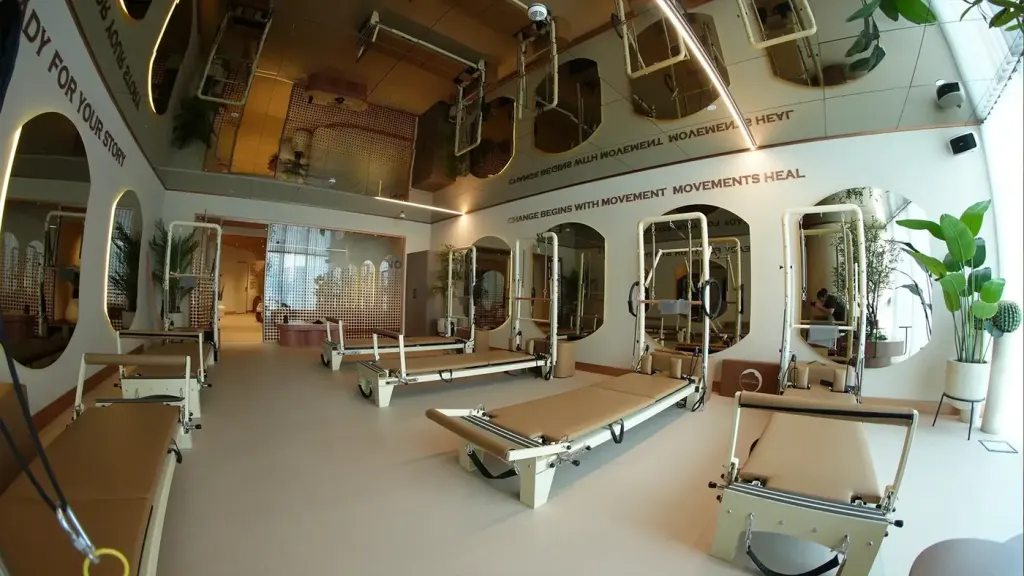
Feet and Ankles in Reformer Pilates: Stability That Starts at the Base
The feet are the body's first contact with the ground. We explain how reformer pilates strengthens the arch, ankle and lower chain, and what to watch for.
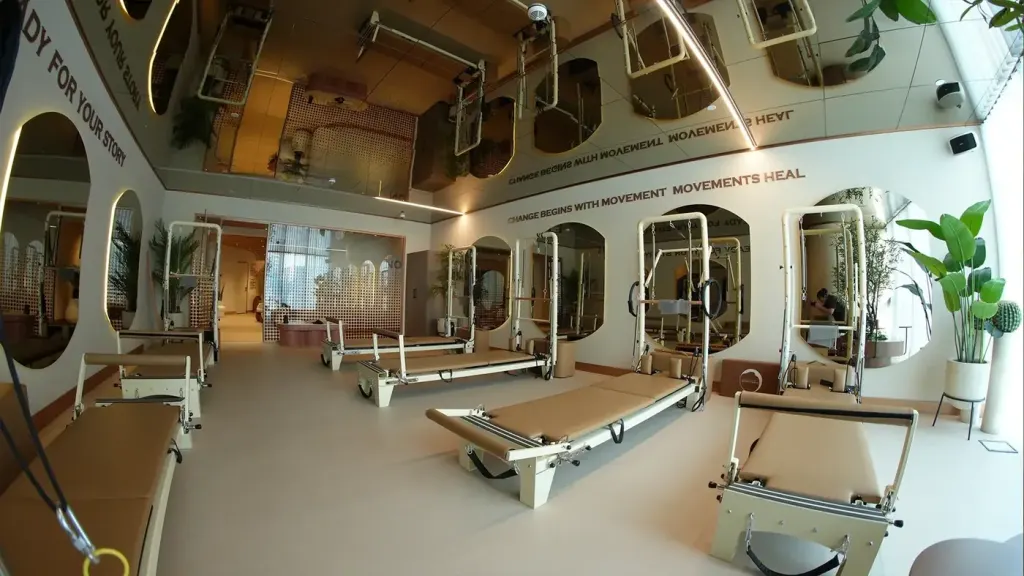
Reformer pilates near Çayyolu and Ümitköy: the studio experience at Yaka Beytepe
A guide to the O'Wellness Beytepe studio at Yaka Beytepe for anyone seeking reformer pilates near Çayyolu: location, session flow and first steps.
