
Dynamic vs static stretching: which one, and when?
What is the difference between dynamic and static stretching, and which should you choose before and after training? We explain the science and the practice.
Should you stretch before or after training? The difference between dynamic and static stretching is largely a matter of timing: both are valuable, but used in the wrong place they can lower performance or increase injury risk. In this article we explain step by step what the two methods are, which one to choose in which situation, and how to fit them into your weekly programme.
What is dynamic stretching?
Dynamic stretching is a method that warms the muscles and connective tissue by repeatedly moving a joint through its range of motion in a controlled way. Leg swings, arm circles and walking knee-to-chest pulls fall into this group. The aim is not to stay in one position for a long time as in static stretching, but to raise muscle temperature and neuromuscular communication by repeating the movement.
What is static stretching?
Static stretching aims to increase flexibility by holding a muscle group at a certain length, usually for 15-60 seconds. A standing forward bend for the hamstrings or the seated butterfly position are classic examples. This method gradually improves the extensibility of the muscle-tendon unit and is effective in increasing joint range of motion.
Why does timing matter?
Research and field experience show that prolonged static stretching right before training can cause a temporary drop in performance in some explosive and strength-based movements. This is explained by the stretched muscle temporarily producing less force. That is why dynamic stretching is preferred in the warm-up and static stretching in the cool-down after training.
| Situation | Recommended method | Why |
|---|---|---|
| Warm-up before training/class | Dynamic stretching | Raises muscle temperature without lowering performance |
| Cool-down after training/class | Static stretching | Improves flexibility lastingly and supports relaxation |
| A separate flexibility session | Static stretching or a yoga flow | Allows deep work without time pressure |
| Controlled movement after injury | Light dynamic, with physician/physiotherapist approval | Gradual loading according to tissue healing is needed |
Step-by-step dynamic warm-up protocol
- General warm-up (3-5 min): Muscle temperature is raised by brisk marching on the spot or light cycling.
- Lower-body dynamic movements (3-4 min): Front-to-back and side leg swings, walking knee pulls, walking heel-to-glute kicks.
- Hip-opening movements (2-3 min): Walking hip external and internal rotations, standing leg circles.
- Upper-body dynamic movements (2-3 min): Arm circles, trunk rotations, shoulder-opening movements.
- Activation (2-3 min): The neuromuscular system is prepared for class with movements such as light squats and lunges.
Step-by-step static cool-down protocol
- Breathing transition (1-2 min): Slow diaphragmatic breathing to bring the heart rate down.
- Static stretching for large muscle groups (5-8 min): Positions held for 20-30 seconds each for the hamstrings, hip flexors, calves, chest and back.
- Deepening with the breath: Gently deepening the position as you exhale in each stretch supports progress without forcing.
- Closing (1-2 min): The session ends with a short relaxation position, such as lying on your back with knees bent.
Modifications by level and situation
Flexibility levels vary greatly from person to person, so the same movement is not expected to be done to the same depth by everyone. For beginners, the range of dynamic movements is kept small and the number of repetitions low. In static stretching, a mild sense of tension is considered enough; pushing to the point of pain is not recommended. Advanced practitioners can add light resistance bands to the dynamic warm-up and try PNF (contract-relax) techniques in static stretching under instructor supervision. For people with joint hypermobility, movement within a limited range focusing on muscle control is preferred over going to the end of the joint's range in static stretching.
Common mistakes
- Starting deep static stretching with cold muscles: Sudden, deep stretching of unwarmed tissue can increase the risk of micro-tears.
- Holding static stretches for a long time before training: Especially before explosive movements such as jumps and sprints, it can temporarily lower performance.
- Holding the breath: Holding your breath in static stretching increases muscle tension; slow, steady breathing makes relaxation easier.
- Pushing to the pain threshold: The idea of no pain, no stretch is wrong; mild tension is enough.
- Using only one method: Focusing only on dynamic or only on static stretching limits both performance and flexibility gains.
Who should be careful
For people with an acute muscle or ligament injury, the type and timing of stretching should be determined with guidance from a physiotherapist or physician. Deep static stretching should be avoided by people with joint hypermobility syndrome, severe osteoporosis or recent surgery, and the programme should be tailored to the individual. It is also important for people with chronic pain to consult their physician before starting a stretching protocol. At O'Wellness Beytepe, our sports physiotherapist can guide you through this process.
Suggested weekly practice
| Day | Focus | Duration |
|---|---|---|
| Training days | Dynamic warm-up + static cool-down | 10-15 min in total |
| 1-2 separate days | Standalone static flexibility or Deep Stretch Yoga | 30-45 min |
| 1 day | Mobility & Stretching class | 45-50 min |
How is progress measured?
Progress in flexibility is tracked through signs such as being able to stay more comfortably in a certain position, a gradual increase in range of motion, or feeling less tension in everyday movements such as bending and climbing stairs. Noting the same movement every week, for example recording the distance between your fingertips and the floor in a forward bend, provides a concrete indicator. Focusing on gradual improvement through consistent practice, rather than fixating on reaching a specific goal, delivers sustainable results.
In practice at O'Wellness Beytepe
In group classes at O'Wellness Beytepe, warm-ups are always built with dynamic movements and classes close with static stretching or breathing work. The Mobility & Stretching class in our O'Soul studio offers both methods together in a structured way. A short static cool-down after the high-tempo classes in the O'Rise studio can also help reduce the feeling of stiffness the next day.
Using equipment
In static stretching, a yoga block or strap makes it easier to reach the target position safely; especially for people with limited flexibility, these tools that close the distance reduce injury risk. In the dynamic warm-up, a light resistance band can add extra activation to hip and shoulder movements. This equipment is ready for you to use in our functional area and studios.
Sample positions by common muscle group
For the hip flexors, walking knee pulls can be used in the dynamic warm-up and the kneeling hip-opening position (lunge stretch) in the static cool-down. For the hamstrings, leg swings are used on the dynamic side and standing or seated forward bends on the static side. For the shoulders and chest, a chest-opening stretch in a doorway or against a wall is a good complement after dynamic arm circles. For the calves, a static stretch leaning against a wall is especially helpful after running or O'Ride Cycle. Adapting these pairings to your own routine makes both warming up and recovery more effective.
The role of the breath
Whether dynamic or static, the breath directly affects the quality of the movement in stretching. In dynamic movements, breathing is kept natural and steady to match the tempo; holding the breath disrupts the flow of the movement. In static stretching, deep, slow nasal breathing helps reduce muscle tension; gently deepening the position as you exhale, in particular, supports the nervous system's relaxation response. For those with poor breath awareness, devoting a few sessions to this with an instructor makes independent practice easier later on.
An equipment-free home routine
For those who want to build a short warm-up and cool-down routine at home outside the studio, a simple structure can be suggested: 5 minutes of brisk movement on the spot, followed by 3-4 dynamic movements such as leg swings, arm circles and trunk rotations; and at the end of training, a 5-6 minute static stretching block. Because this routine requires no equipment, it is easy to do regularly. Even so, instructor feedback in the studio is valuable, especially for beginners, because it allows movement quality to be checked by eye.
Frequently asked questions
Is static stretching before training completely off-limits?
No; short (10-15 seconds) and light static stretches usually cause no problems. However, leaving long, deep static stretching until after training is safer for performance.
Should I stretch every day?
A short dynamic warm-up before every workout and 3-4 static stretching sessions a week may be enough. Regularity matters more than stretching for a long time in one go.
Is there a risk of injury with dynamic stretching?
The risk can increase when the range of motion is uncontrolled or the movement is too fast. Done at a controlled tempo and an appropriate range, dynamic stretching is safe.
Is there a class in Beytepe, Ankara where I can learn both methods together?
Yes. The Mobility & Stretching class at O'Wellness Beytepe practises both dynamic and static stretching techniques with an instructor in our O'Soul studio in Yaka Beytepe.
Does static stretching hinder muscle growth?
Short static stretching does not negatively affect strength training; the main thing to watch is avoiding very long, deep stretching before heavy lifts.
To plan your flexibility programme with the right timing, reach us through our contact page and we will choose the right classes for you together.
Related posts
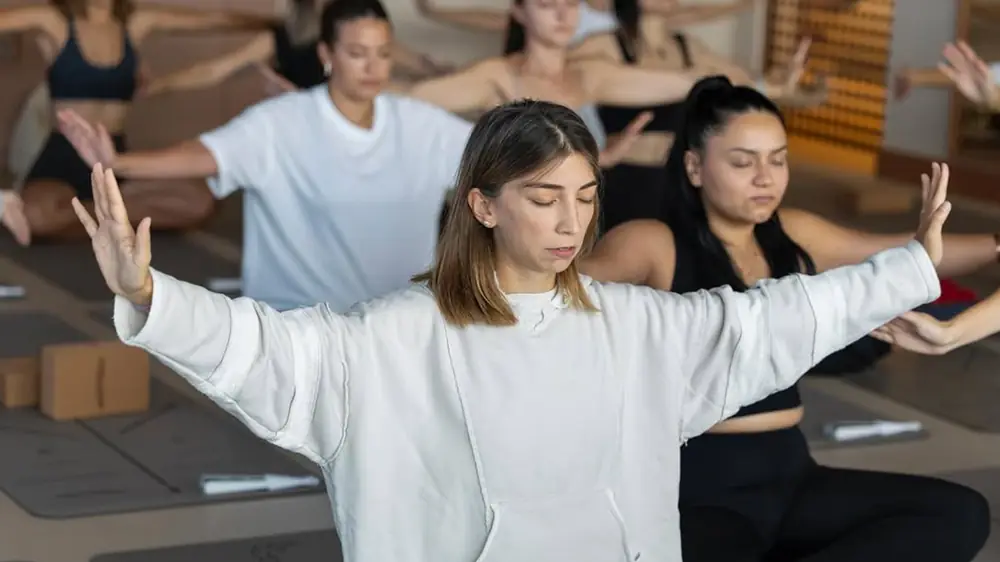
Yoga for Lower Back Pain: Safe Poses and a 20-Minute Routine
We explain which yoga poses help and which are risky for low back pain, and what a safe practice framework looks like. See a doctor first for severe pain.
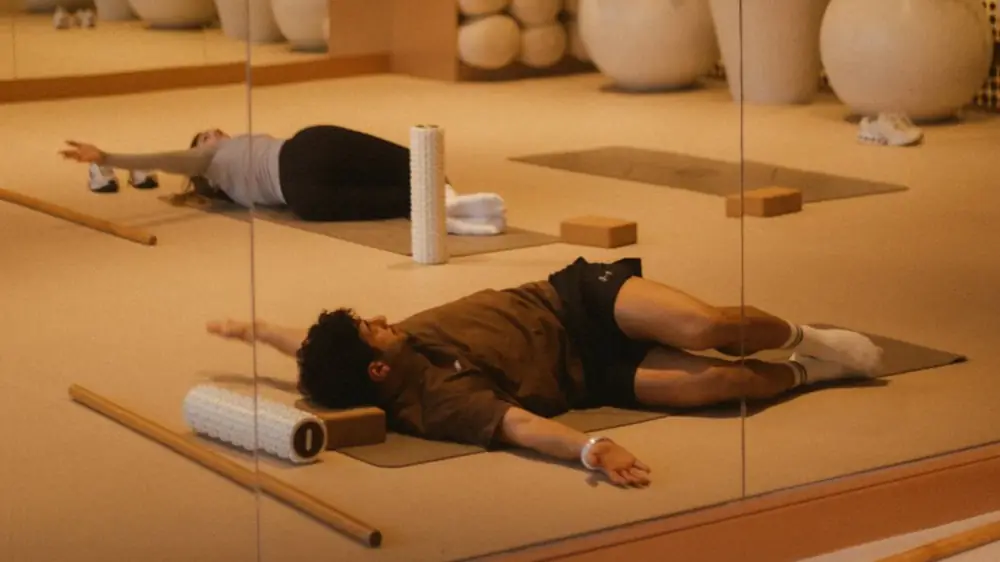
Tight Hip Flexors: The Hidden Problem of Desk Workers
Sitting for hours shortens the hip flexors, and the symptoms often appear in the lower back. We cover self-tests, stretching and strengthening moves and a daily 10-minute routine.
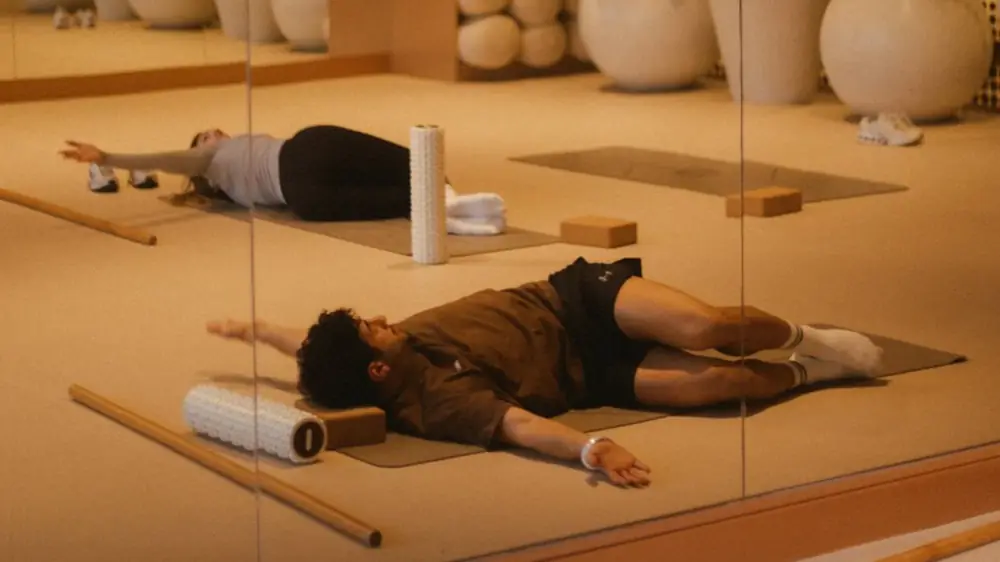
Thoracic Spine Mobility and Its Link to Shoulder Pain
Limited thoracic mobility can set the stage for shoulder pain. We look at exercises that improve upper-back range of motion and how they connect to shoulder health.
