
Yoga for Lower Back Pain: Safe Poses and a 20-Minute Routine
We explain which yoga poses help and which are risky for low back pain, and what a safe practice framework looks like. See a doctor first for severe pain.
Low back pain is one of the most common complaints adults face at some point in life, and it is often mechanical in origin: a weak core, limited hip mobility or a habit of sitting for long periods. Yoga for low back pain can bring considerable relief with the right choice of movements, but the wrong movements can make things worse. In this article we explain step by step which yoga poses are helpful, which to avoid and what a safe practice framework looks like.
An important warning first
The information in this article offers a general framework for mechanical, mild-to-moderate low back pain and does not replace medical advice. For sudden severe pain, numbness or tingling spreading down the leg, changes in bladder or bowel control, or back pain accompanied by fever, you must see your physician before trying any movement. For chronic or recurrent back pain too, an assessment by a physiotherapist or physician will clarify which movements are right for you.
Common mechanical causes of low back pain
- Shortening of the hip flexors and stiffening of the hip joint due to prolonged sitting
- Inadequate spinal support due to weak core muscles (abdominals and deep back)
- Excessive compensation by the lower back in daily movement due to tight hamstrings
- Staying in the same position for long periods, inactivity
- Sudden, uncontrolled loading (heavy lifting, abrupt twisting movements)
Helpful yoga poses
1. Cat-Cow
From a hands-and-knees position, the spine is rounded upwards (cat) and then arched downwards (cow) in turn. This movement gently mobilises the spinal segments and reduces stiffness. 8-10 slow repetitions are recommended.
2. Knees-to-chest pose (Apanasana)
Lying on your back, the knees are drawn to the chest and gently hugged with the arms. This pose creates a mild stretching sensation in the lower back and is usually soothing. It can be held for 30-45 seconds.
3. Child's pose (Balasana)
Sitting on your knees, the hips are drawn back towards the heels and the arms are extended forward. This pose gently lengthens the lumbar spine and calms the nervous system. Those with knee or hip discomfort can place a cushion under the knees.
4. Sphinx pose
Lying face down, the elbows are placed under the shoulders and the upper body is lifted slowly. Being milder than cobra pose, it is a safer starting point for the lower back. In disc-related pain this movement may bring relief to some people, but it may not suit everyone; approval from a physician or physiotherapist is recommended.
5. Gentle spinal twist (Supine Twist)
Lying on your back, the bent knees are lowered slowly to one side while the shoulders stay on the floor. This movement relaxes the muscles around the spine. The movement should always be kept well below the pain threshold.
6. Bridge pose (modified)
Lying on your back with the knees bent, the hips are lifted slowly. This movement activates the hip and hamstring muscles and supports core stabilisation without overloading the lower back. It is safe to start with a small range of motion rather than lifting all the way.
7. Bird Dog
From a hands-and-knees position, the opposite arm and leg are extended slowly while the trunk is held steady. Although it is not a classic yoga pose, it is used for core stabilisation in many yoga and mobility classes and is especially valuable for lower back health.
Movements to avoid (in the acute or sensitive phase)
- Deep, fast forward bends (especially with straight legs)
- Sudden, deep twisting or bending movements of the trunk
- Deep backbends that push past the pain threshold (full cobra, full bow pose)
- Long, deep inversions (such as a headstand) without physician approval
- Vinyasa transitions involving jumps during the acute pain phase
How the approach differs in acute and chronic low back pain
| Situation | Approach |
|---|---|
| Acute (just started, 0-2 weeks) | Gentle range of motion, pain-free positions, movement balanced with rest |
| Subacute (2-6 weeks) | Gradual core activation, slowly increasing range of motion |
| Chronic (longer than 6 weeks) | Regular core and hip strengthening, a balance of mobility and endurance |
| With neurological symptoms (numbness, weakness) | A physician's assessment before attempting any movement |
A step-by-step safe 20-minute routine
- Breath and preparation (2 min): On your back, knees bent, diaphragmatic breathing.
- Cat-Cow (3 min): 10 slow repetitions.
- Knees-to-chest (2 min): Both legs together first, then one at a time.
- Bird Dog (3 min): 6-8 repetitions on each side, keeping the trunk steady.
- Modified bridge (3 min): 8-10 repetitions with a small range of motion.
- Supine twist (3 min): 30-45 seconds on each side.
- Child's pose (2 min): Relaxation.
- Closing (2 min): Lying on your back with breath awareness.
Common mistakes
- Forcing a deep forward bend while in pain: pushing the painful area with the thought "if I stretch it, it will pass" can make things worse.
- Focusing only on stretching and neglecting strengthening: even if a weak core feels temporarily relieved by stretching, strengthening is essential for a lasting solution.
- Staying completely inactive in the acute phase: prolonged complete rest is no longer recommended for most mechanical low back pain; gentle movement is usually more helpful.
- Straining while holding the breath: holding the breath increases muscle tension and reduces the effect of the movement.
- Trying many new movements at once: starting with a few movements and building up gradually makes it easier to observe how your body responds.
Who it is not suitable for and who should be careful
- For low back pain accompanied by numbness, tingling or weakness down the leg, a physician's assessment is essential before starting any movement.
- In people with a spinal fracture, severe osteoporosis or recent spinal surgery, the programme should be planned only under expert supervision.
- If there are "red flag" symptoms such as changes in bladder or bowel control, urgent medical assessment is essential.
- Movement selection for low back pain differs in pregnancy; consulting your obstetrician is recommended.
How is progress measured?
When tracking progress, it is useful to note the daily pain intensity (on a 0-10 scale), the duration of morning stiffness and the ease of daily activities (bending, getting up from sitting). Rather than expecting the pain to disappear completely, focusing on gradual reduction and functional improvement is more realistic. If progress stalls or worsens, it is important to review the programme and consult a physiotherapist if necessary.
A sample 6-week progression framework
| Week | Focus |
|---|---|
| 1-2 | Gentle range of motion, 10-15 min a day, pain-free positions |
| 3-4 | Increasing core activation (bird dog, bridge), extending to 20 min |
| 5-6 | Adding hip mobility and endurance work, practising 4-5 days a week |
Using equipment
A yoga block gives support in child's pose and similar positions for those with knee or hip discomfort. A strap helps maintain a safe range during hamstring stretches by preventing the lower back from rounding excessively. A cushion or bolster placed under the knees in supine positions can reduce pressure on the lower back.
Combining with related classes
Mat Pilates or Crunch & Core classes complement a yoga routine by strengthening core stabilisation. Those who prefer one-to-one work can benefit from Sports Physiotherapist support within our private services. You can look at our group classes guide for a general mobility approach.
In practice at O'Wellness Beytepe
The Mobility & Stretching and Deep Stretch Yoga classes in the O'Soul studio include movements that support lower back health. Our Sports Physiotherapist service also offers individual assessment for those with chronic or recurrent low back pain. For more comprehensive information on recovery and mobility, you can read our recovery guide.
Sitting habits and back health
As much as your yoga routine, the time you spend sitting and your sitting position during the day directly affect back health. Sitting hunched for long periods can disrupt the natural curve of the lumbar spine and increase the load on the discs. Standing up and walking a few steps every 30-45 minutes, doing a short cat-cow series or simply moving the hips forward and back a few times can reduce the effect of prolonged sitting. Using lumbar support on an office chair and keeping the screen at eye level are also simple measures that indirectly reduce the load on the back.
The relationship between hip mobility and back pain
When the range of motion of the hip joint is limited, the spine tries to make up for this deficit in daily movements (bending, twisting, climbing stairs), which can increase the load on the lower back. Lunge-type positions that stretch the hip flexors and pigeon pose variations that work the external and internal rotation of the hip can be considered a complementary part of a back programme. As hip mobility improves, the need for the lumbar spine to move excessively decreases.
The role of sleeping and resting positions
The position held throughout the night can reinforce or reduce the effect of the work done during the day. Sleeping face down can force the lumbar spine into excessive extension; placing a thin pillow between the knees when side-lying or placing support under the knees when lying on the back can help reduce pressure on the lower back. Sleep quality itself is also an important factor affecting pain perception; a regular sleep routine supports the recovery process.
When should you see a doctor?
If the pain lasts longer than four weeks, is getting progressively worse, wakes you at night or markedly limits daily activities, an assessment by a physician or physiotherapist is recommended. In addition, back pain developing together with fever, unexplained weight loss or a history of trauma may require a different assessment than mechanical causes, and a medical examination without delay is essential.
The effect of mindset
Anxiety and fear about back pain can sometimes restrict movement as much as the pain itself. Staying completely still with the thought "if I move it will get worse" can prolong the process by increasing muscle weakness and stiffness. Gradual and consistent movement within safe limits can play a positive role both physically and in reducing anxiety about back pain. For this reason it is important to start the programme with confidence under the guidance of an instructor or physiotherapist.
Frequently asked questions
Should I keep doing yoga while I have back pain?
In mild-to-moderate mechanical low back pain, gentle movement is usually helpful. However, for severe pain, pain spreading down the leg or worsening pain, you should consult your physician first.
Which yoga movement is most effective for back pain?
There is no single "most effective" movement; a regular combination of movements such as cat-cow, bird dog and the modified bridge usually gives the best result.
I have a herniated disc; can I do yoga?
People diagnosed with a herniated disc should get approval from a physician or physiotherapist before starting and adapt the movements accordingly.
Where can I take a yoga class for back health in Beytepe?
The Mobility & Stretching and Deep Stretch Yoga classes in the O'Soul studio at O'Wellness Beytepe support lower back health, together with Sports Physiotherapist support.
How long should I expect recovery to take?
Most mechanical low back pain improves gradually within a few weeks; however, this varies from person to person and regular practice is important.
For a safe yoga and mobility programme tailored to your back health, fill in the contact form and we will plan a suitable assessment for you.
Related posts
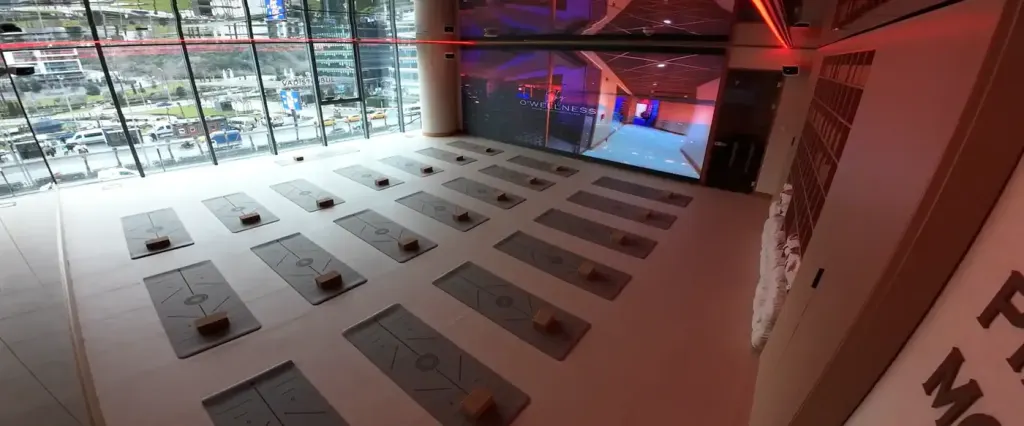
Yoga blocks, straps and bolsters: a guide to props
Blocks, straps and bolsters are not shortcuts; they close the gap so the movement works the right muscles. Where to use them and how to choose them.
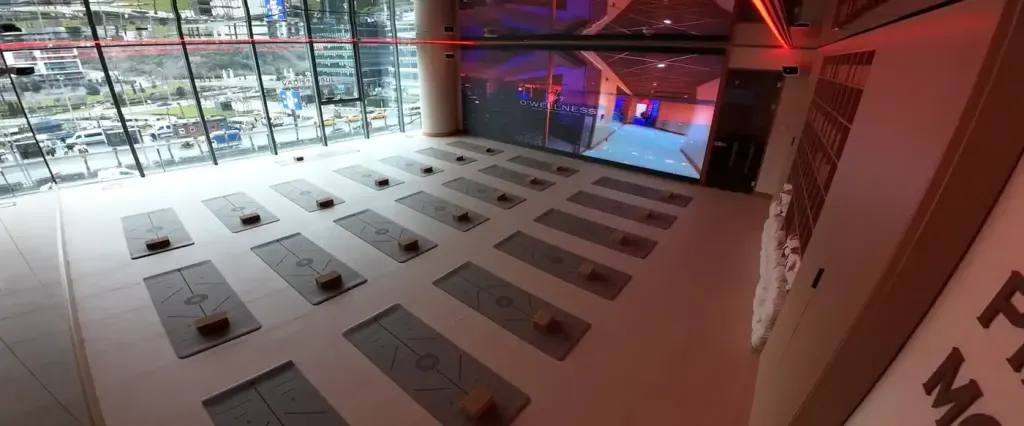
Yoga Styles Guide: Hatha, Vinyasa, Yin and How to Choose Yours
We compare hatha, vinyasa, yin and restorative yoga, which style suits which goal, and what to expect in a first class.
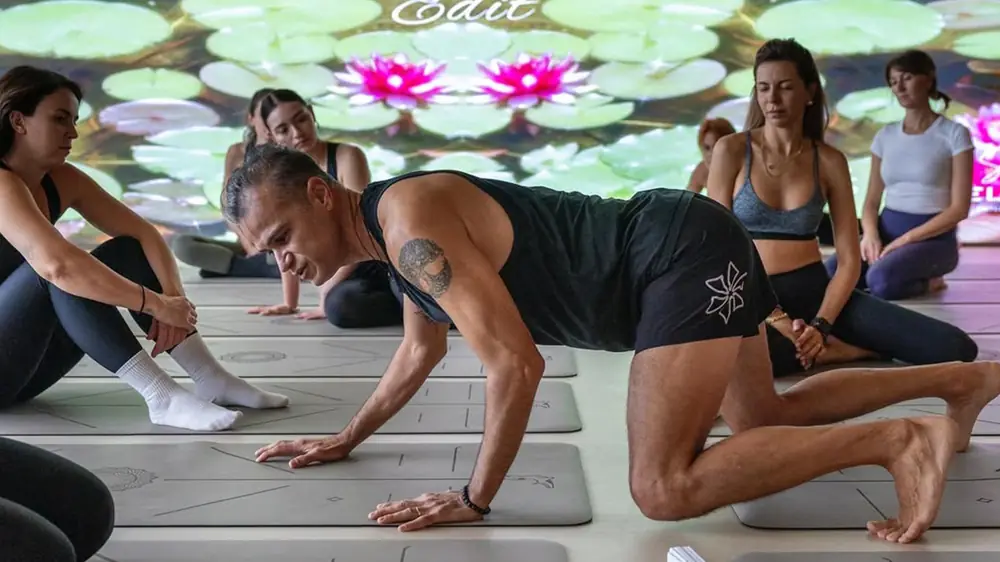
How Does Flexibility Improve? Static, Dynamic and PNF Stretching Compared
How can flexibility be developed? Static, dynamic, ballistic and PNF stretching, when to use each, and a sample weekly program.
