
Yoga Styles Guide: Hatha, Vinyasa, Yin and How to Choose Yours
We compare hatha, vinyasa, yin and restorative yoga, which style suits which goal, and what to expect in a first class.
Not knowing the difference between yoga styles can mean a first class that fails to meet expectations and the conclusion that "yoga is not for me". Yet an energetic, sweaty vinyasa class and a yin class where poses are held for minutes are entirely different experiences. In this article we compare the most common yoga styles and explain who each suits, which goal it serves and what to expect in a first class. This knowledge also makes it easier to decide which style to add to your weekly schedule at a multi-format club such as O'Wellness Beytepe in Yaka Beytepe.
Key concepts
Before comparing the styles, a few terms need to be clear:
- Asana: A physical pose; the visible part of a yoga class.
- Pranayama: Breathwork; an integral part of many styles.
- Vinyasa: The flow of movement synchronised with breath.
- Savasana: The resting pose at the end of the class.
- Prop: Support equipment such as blocks, straps and blankets.
Hatha Yoga
Hatha is a broad umbrella term that can be considered the root of most modern yoga styles. In class schedules, "hatha" usually means a slow-paced class in which poses are explained one by one and held for a few breaths.
Who is it for?
- People meeting yoga for the first time.
- Those who want to learn the names and alignment of poses.
- Those who find intense flow classes challenging.
- Those who value the breath and awareness side.
What happens in class?
The class includes a warm-up, standing poses, balance work, floor stretching and savasana. The tempo is slow enough to allow conversation, and the instructor explains each pose in detail. Sweating is usually limited.
Vinyasa Yoga
Vinyasa is a flow-based style in which poses are linked together by the rhythm of the breath. Classes usually begin with sun salutations and continue in constant movement.
Who is it for?
- Those looking for an active class with a cardiovascular element.
- Those who want to train strength and flexibility together.
- Those who get bored with monotony; each class can be built around a different flow.
- People with a fitness background.
What happens in class?
Sun salutations, standing sequences, balance poses, hip openers and inversions are practised. The heart rate rises and sweating is noticeable. Because of the tempo, alignment details are emphasised less than in a hatha class, so it can make sense to move to vinyasa after a few hatha classes.
Ashtanga Yoga
Ashtanga is a disciplined and physically demanding system in which a fixed series of poses is repeated in the same order. The Primary Series follows the same sequence in every class.
Who is it for?
- Those who like structure and repetition and want to measure progress.
- Those looking for intense physical work.
- Those who can set aside time for regular practice.
Things to watch for
Because of the chaturanga transitions, ashtanga places a high repetition load on the shoulders and wrists. For beginners, instructor supervision and gradual progression are important.
Yin Yoga
Yin is a slow style in which poses are held passively for 2-5 minutes. The aim is not to work target muscles actively but to apply a long-held, gentle stretch to connective tissue and the structures around the joints.
Who is it for?
- Those with a heavy training programme looking for a balancing practice.
- Those who want to work on range of motion.
- Those who need to slow down mentally.
- Strength athletes; it is a good complement for the hips and thoracic spine.
What happens in class?
Most poses are done on the floor and supported with blocks or blankets. Between 8 and 12 poses may be practised during the class. There is little movement and the holds are long; some participants find this mentally challenging.
Restorative Yoga
It is confused with yin but is different from it. In restorative yoga the aim is not stretching but relaxing under full support. Poses are set up with plenty of props and the body stays in position without any effort.
Who is it for?
- Those seeking mental recovery during busy work periods.
- Those who want to support sleep quality.
- Those planning a passive rest day after a heavy training week.
- Participants with limited mobility or who want very low intensity.
Other common styles
- Iyengar: A style extremely meticulous about alignment details that uses plenty of props; valuable for those who want to learn technique.
- Power yoga: A vinyasa-based, fitness-oriented and more intense format.
- Hot yoga: Practised in a heated room. Sweating is pronounced; fluid intake needs attention and it may not suit every health condition.
- Kundalini: Focused on breathing techniques, repetitive movements and meditation.
- Prenatal yoga: A safety-focused format adapted to pregnancy; it must always be done with an instructor trained in this area.
Which style for which goal?
- Increasing flexibility: Yin and hatha.
- Building strength: Vinyasa, power yoga, ashtanga.
- Cardiovascular component: Vinyasa and power yoga.
- Stress management and relaxation: Restorative and yin.
- Learning technique and alignment: Iyengar and hatha.
- Post-workout recovery: Yin and restorative.
- Balance and coordination: Hatha and vinyasa.
Combining yoga with other training
Yoga does not conflict with strength training and cardio; placed correctly, it supports them.
- The day after a heavy strength day: Yin or restorative.
- If you want light movement on a rest day: Hatha.
- If you want variety instead of cardio: Vinyasa or power yoga.
- Alongside Reformer Pilates and running: Yin supports shoulder and hip mobility.
- Weekly suggestion: 1-2 yoga sessions are a sufficient and sustainable addition for most programmes.
Heading to your first class
- Check the style beforehand. If "flow", "power" or "yin" appears in the class name, it gives a hint about the tempo.
- Tell the instructor your level. You can get alternative pose suggestions.
- You do not need to be flexible. Yoga is not for the flexible but for those who want to improve flexibility.
- Using props is not a step back. Blocks and straps help the pose feel right.
- Meal timing: try not to be full for 2 hours before class.
- Clothing: choose clothes that do not restrict movement and are not too loose. Yoga is usually practised barefoot.
- Do not push through pain. A stretching sensation is normal, sharp pain is not.
- Try a few classes. Both the style and the instructor shape the experience; a single class is not enough to decide.
Frequently asked questions
Does yoga help you lose weight?
Active styles such as vinyasa and power yoga contribute to energy expenditure. However, weight management depends on total energy balance; yoga should not be presented as a weight-loss method on its own.
Is it suitable for men?
Of course. Limited hip and shoulder mobility is a common restriction in men who do strength training; yoga addresses these areas directly.
How many times a week is enough?
One session a week makes a difference and two sessions bring noticeable improvement. If yoga is not your main practice, this frequency is sufficient.
I am not flexible; can I start?
Yes. A hatha or beginner-level class can be adapted to any level with the help of props.
Conclusion
Yoga is not a single activity but a family of styles serving different goals. If you want to move and sweat, vinyasa; if you want to learn technique and fundamentals, hatha; if you want to work on range of motion, yin; and if you are looking for mental recovery, restorative classes are sensible starting points. Adding one or two suitable styles a week to your current training programme provides a balancing contribution both physically and mentally. If you are unsure which class suits you, trying two different styles and comparing them is the quickest way to decide. At O'Wellness Beytepe you can look at the Vinyasa, Deep Stretch and Balanced Yoga classes in the O'Soul studio on the group classes page.
Related posts
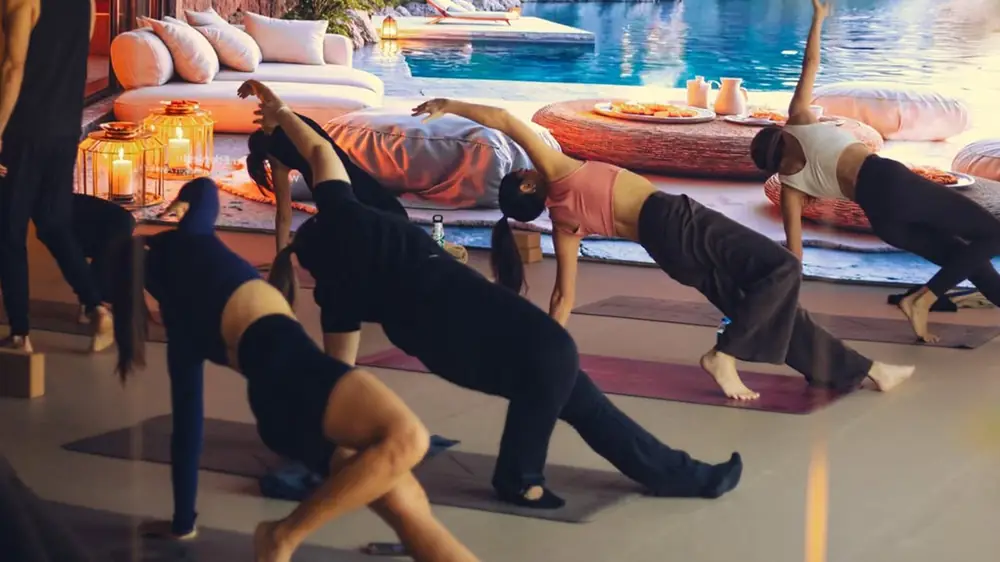
Balance Poses in Yoga: Building Focus and Stability with Tree, Warrior 3 and Eagle
Standing on one leg trains mind and body at once. We explain how to build balance poses safely and enjoyably, starting from beginner level.
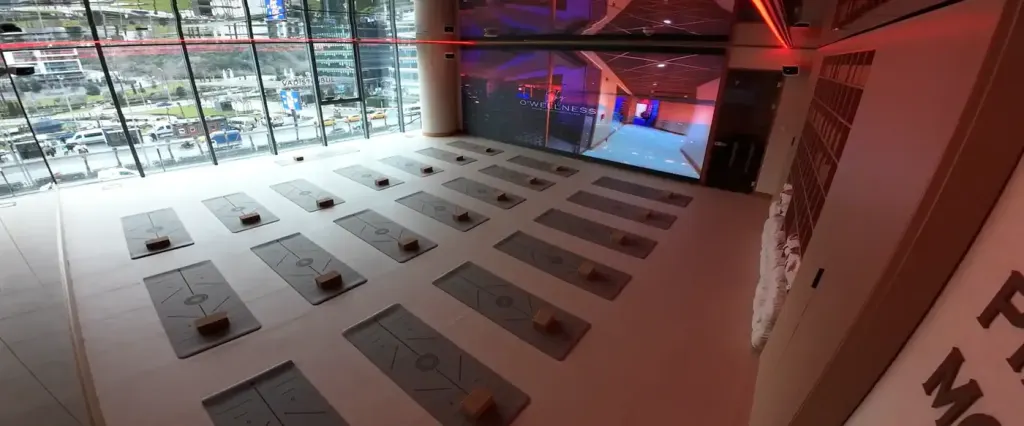
Yoga blocks, straps and bolsters: a guide to props
Blocks, straps and bolsters are not shortcuts; they close the gap so the movement works the right muscles. Where to use them and how to choose them.
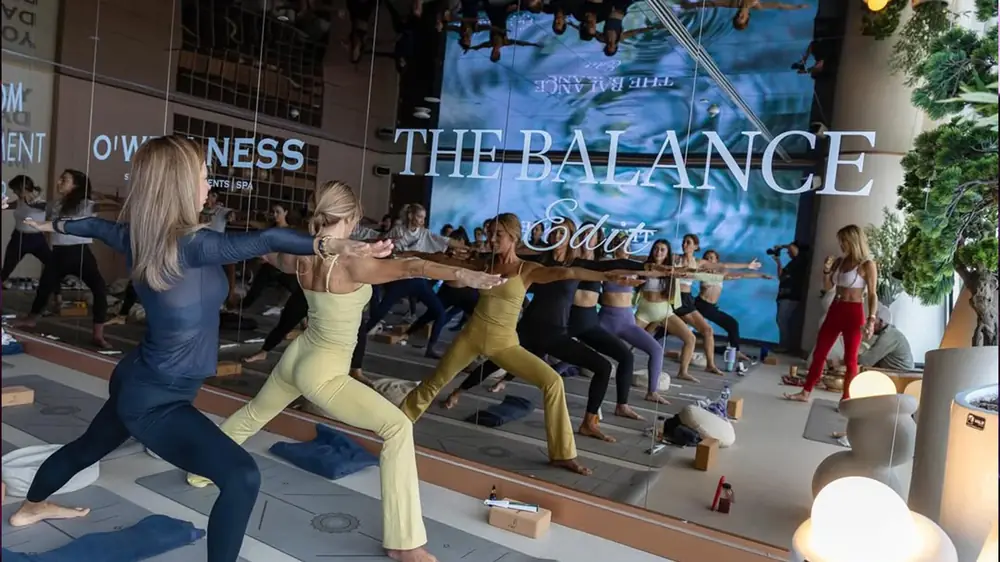
Yoga and Strength Training: How Do They Complement Each Other?
Yoga and fitness support mobility, strength and recovery when practiced together. We share how to integrate both into your weekly routine, with a sample plan.
