
How Does Flexibility Improve? Static, Dynamic and PNF Stretching Compared
How can flexibility be developed? Static, dynamic, ballistic and PNF stretching, when to use each, and a sample weekly program.
The question of how flexibility improves is one of the most frequently asked and most confused topics in the gym. Contradictory claims such as stretching before training prevents injury or stretching lowers performance circulate in the same room. The truth is that stretching is not a single thing: static, dynamic, ballistic and PNF methods work through different mechanisms and make sense at different times. In this article we compare these methods and cover which to use in which situation and the practical ways of increasing flexibility for the long term.
The Difference Between Flexibility and Mobility
The two terms are often used interchangeably but they are different.
- Flexibility: The capacity of a muscle to lengthen passively, for example the angle reached when someone else lifts your leg.
- Mobility: The range through which a joint can move under active control, meaning you can reach that angle with your own strength and hold it there.
The practical significance is large: a person with high passive flexibility but no control in that range gives up stability during movement. That is why the modern approach is built not only on stretching but on owning the gained range with strength.
Factors That Determine Flexibility
- Muscle-tendon length and stretch tolerance: The most obvious effect of regular stretching is an increase in the nervous system's tolerance to lengthening.
- Joint structure: Bone geometry limits the maximum angle anyone can reach. This cannot be changed.
- Age: Tissue flexibility tends to decline with age but can be preserved with regular work.
- Daily positions: Hours spent sitting create tightness around the hips and chest.
- Temperature: Warmed tissues lengthen more, which is why stretching is more effective after warming up.
- State of the nervous system: Stress and fatigue can increase perceived muscle tension.
Static Stretching
Getting into a position and holding at the point where you feel a stretch. It is the best-known method.
How is it done?
- Move to the point where you feel a stretch but no pain.
- Hold for 20-45 seconds. A common target for flexibility gains is 60 seconds in total per muscle group.
- Focus on exhaling; holding your breath increases tension.
- Do 2-3 repetitions for each muscle group.
When should it be used?
After training, in a separate flexibility session, or during the day when you are warm. Long static stretches before training have been linked to a small temporary drop in strength and explosive performance, so they are not recommended as the main warm-up method. Short static stretches (15-20 seconds), however, cause no problem when combined with a dynamic warm-up.
Dynamic Stretching
Working the joint through its full range with controlled, repeated movements. You do not hold a position.
Example movements
- Leg swings (front-to-back and side-to-side).
- Arm circles and arm swings.
- Walking knee hugs and hip openers.
- The world's greatest stretch flow.
- Trunk rotations.
- Walking hamstring stretch (toy soldier).
When should it be used?
As the main method of warming up before training. Dynamic stretching raises tissue temperature, prepares the nervous system and does not hurt performance. A 5-10 minute dynamic warm-up is an ideal start for most workouts.
Ballistic Stretching
Pushing the limit of the range of motion with bouncing, momentum-driven movements. It differs from dynamic stretching in being forced rather than controlled.
It is not recommended for beginners and the general population, as it can create uncontrolled load on tissue. It can be used under a coach's supervision with advanced athletes and in preparation specific to certain sports.
PNF Stretching
Proprioceptive Neuromuscular Facilitation is a method that uses cycles of contraction and relaxation. It is usually done with the support of a partner or a strap.
Common protocol: contract-relax
- Bring the muscle into a stretched position.
- For 6-10 seconds, push isometrically against the direction of the stretch (against the resistance of a partner or strap).
- Relax and move into a deeper stretch position for 20-30 seconds.
- Repeat for 2-3 cycles.
Advantages and points to watch
PNF is among the methods that can produce a noticeable short-term gain in range of motion. Correct execution matters, though; overforcing or wrong partner support creates risk. For first-timers, learning with an instructor is the right approach. It is used after training or in separate sessions, not before.
Loaded Stretching and Eccentric Work
The most lasting route to flexibility gains is producing strength in a lengthened position. This approach both increases range of motion and teaches you to control it.
- Romanian deadlift: Lengthens the hamstrings under load.
- Deep split squat: For the hip flexors and hip range.
- Full-range squat: Works the ankle, hip and thoracic area together.
- Slow eccentric reps: Taking 3-4 seconds on the lowering phase.
- Reformer Pilates movements: Controlled lengthening under spring resistance; a structured form of this principle.
Weekly Flexibility Program
Flexibility develops like strength, through gradual and consistent work. A practical weekly structure:
- Before every workout: 5-8 minutes of dynamic stretching.
- After every workout: 5 minutes of static stretching for the areas worked that day.
- Twice a week in a separate session: 15-20 minutes, 2-3 sets of 30-45 seconds of static stretching for target areas.
- Once a week: A Deep Stretch Yoga or Mobility & Stretching class.
- Daily: If you work at a desk, a 5-minute hip and chest opening routine.
The Areas Most Often Needing Attention
In an environment where a desk-based lifestyle is common, the order of priority is usually as follows:
- Hip flexors: The area most directly affected by sitting.
- Chest and front shoulder: A result of keyboard and screen posture.
- Thoracic spine: Upper-back rotation and extension.
- Hamstrings: Tend to shorten with long periods of sitting.
- Ankle: Critical for squat depth and balance.
- Calves: Related to wearing heels and to running.
Common Mistakes
- Pushing to the pain threshold. A feeling of stretch is needed, pain is not.
- Stretching cold muscles. Deep stretching without warming up is inefficient.
- Holding your breath. It increases tension and prevents relaxation.
- Inconsistency. Stretching for 40 minutes once a week is less effective than 6 minutes a day.
- Only stretching and never strengthening. A gained range cannot be sustained if it is not controlled.
- Stretching hypermobile joints even further. For some people the need is stability, not flexibility.
- Impatience. Lasting flexibility gains happen on a scale of months, not weeks.
Does Flexibility Prevent Injury?
The literature does not give a clear yes on this. There is no strong evidence that stretching before training markedly lowers injury rates. The factors more strongly associated with injury prevention are an adequate warm-up, gradual increases in load, strength training, and management of sleep and recovery.
This does not mean stretching is worthless. Flexibility is a meaningful goal for range of motion, quality of life, technique and comfort; it should not, however, be presented as the sole or most important tool for avoiding injury. If you have lasting pain or restriction, consult your doctor or a sports physiotherapist.
Conclusion
Flexibility improves when the right method is used at the right time: dynamic stretching before training, static stretching after training and in separate sessions, and loaded and eccentric work to own the range of motion. Whichever method you choose, the deciding factor is consistency; 6-8 minutes a day gives more results than a single long session a week. If you are looking for structured practice, the Deep Stretch Yoga and Mobility & Stretching classes at O'Wellness Beytepe and Reformer Pilates are formats that bring these approaches together.
Related posts
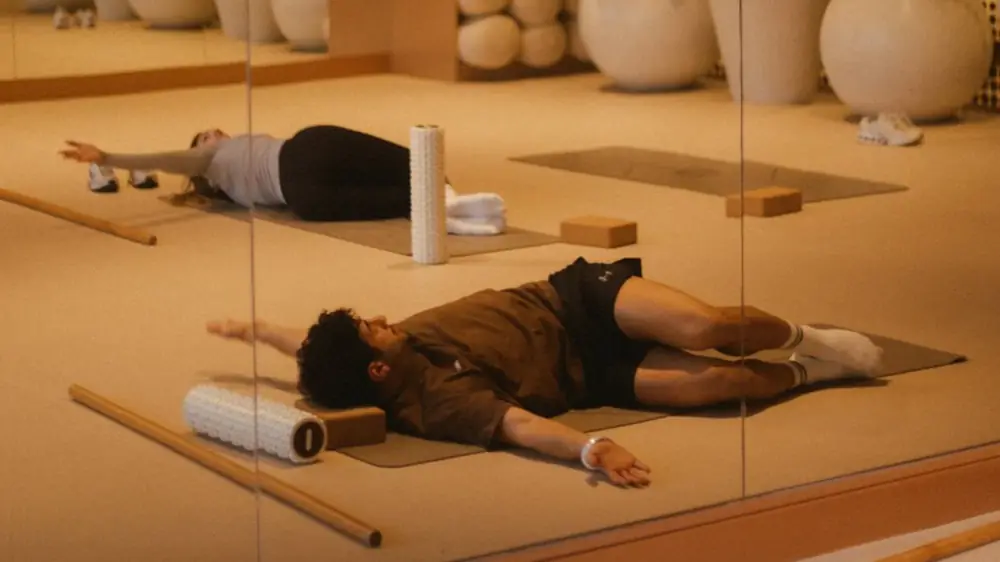
What Is Mobility and How Is It Different from Flexibility? Key Concepts for Joint Health
Mobility is the range a joint can move through under active muscular control, and it is not the same as flexibility. We cover the key concepts for joint health and a practical plan.
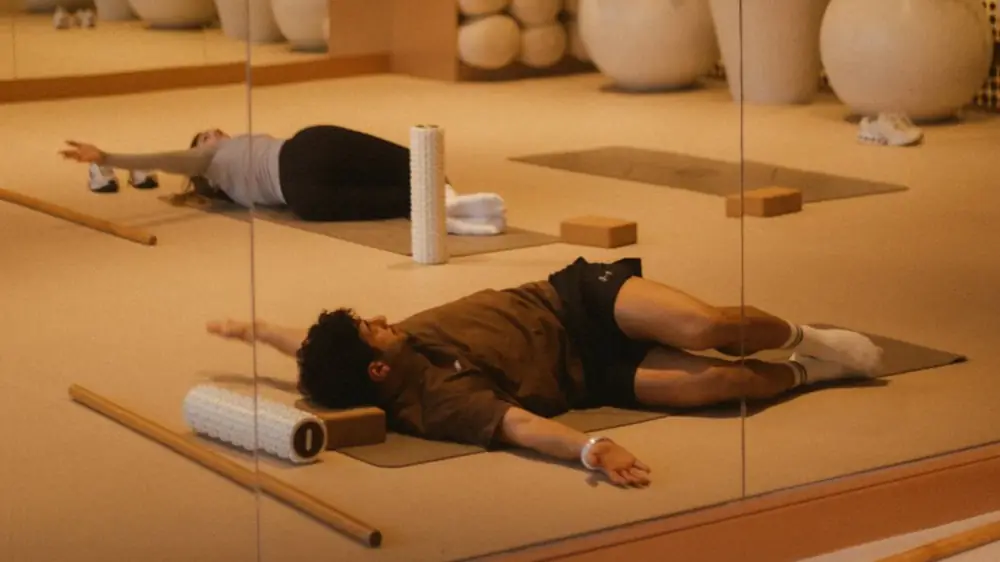
Hip Mobility: 10 Movements for Desk Workers
Ten mobility movements to help ease the hip stiffness caused by long hours of sitting, with the right order and a weekly practice suggestion.

Hamstring Flexibility: Why You Can't Touch Your Toes and What to Do About It
Not reaching your toes does not always mean short hamstrings. We explain the possible causes of tightness, a simple test and a safe stretching plan.
