
What Is Mobility and How Is It Different from Flexibility? Key Concepts for Joint Health
Mobility is the range a joint can move through under active muscular control, and it is not the same as flexibility. We cover the key concepts for joint health and a practical plan.
The word "mobility", often heard in gyms, is frequently used as if it meant flexibility; in fact the two concepts describe different things. The short answer to the question of what mobility is: it is the range through which a joint can move while the surrounding muscles actively control it. In this article, we at O'Wellness Beytepe explain the key differences between mobility and flexibility, why mobility matters for joint health, and practical approaches you can easily add to your daily life.
The difference between mobility and flexibility
Flexibility is the capacity of a muscle or muscle group to lengthen passively; for example, it concerns the angle you can reach when someone pushes your leg. Mobility is the ability to produce that same range of motion with your own muscular strength and under active control. So being flexible does not mean being mobile. A person may be able to bring their leg passively up to their ear, yet be unable to lift the same leg actively and hold it at that height; in this case there is flexibility, but mobility is limited.
This distinction matters in practice, because what reduces the risk of injury is mostly not passive flexibility but the joint's controlled working range. Functional movement quality depends on the joints being able to work safely and with control when climbing stairs, bending down or changing direction suddenly during sport.
The components of mobility
Mobility is not a single attribute; it arises from several components working together:
- Joint structure: The anatomical shape of the joint sets the upper limit of the range of motion; this component changes only to a limited extent with training.
- Soft tissue flexibility: The capacity of muscles, tendons and ligaments to lengthen.
- Muscle control and strength: The force the muscle can produce at the end of its range; this is the area mobility training develops most.
- Nervous system and motor control: The brain perceiving that range as "safe" and allowing the movement; fear or past injuries can restrict this perception.
When one of these four components is lacking, overall mobility remains limited no matter how developed the others are. That is why stretching alone is not enough; active control work is also needed.
Why it matters: joint health and functional movement
A joint with restricted mobility can cause neighbouring joints to take on more load than they should. For example, if hip mobility is limited, the lumbar spine may have to compensate during squats or bending movements, creating a load distribution that over time can contribute to lower back pain. Similarly, when shoulder mobility is restricted, the upper back and neck work harder. Regular mobility work has been reported to help each joint take on its own role, contributing to a more balanced movement chain.
As we age, tissue elasticity tends to decline; regular movement and stretching cannot stop this process entirely, but they can help preserve everyday functional movement quality. Modern lifestyle habits, such as long hours at a desk or long daily drives along Ankara's western corridor, can also pave the way for mobility loss in areas such as the hip flexors, thoracic spine and ankles.
How can you assess your mobility?
A professional assessment is carried out with a physiotherapist or trainer, but some simple observations you can try at home can give you an idea:
| Area | Simple observation | Sign of restriction |
|---|---|---|
| Hip | Keeping heels on the floor in a deep squat | Heels lift or the lower back rounds excessively |
| Thoracic spine | Seated, arms crossed on chest, rotating the torso | Noticeably less rotation to one side |
| Shoulder | Reaching one arm from above and one from below to meet behind the back | Large difference in distance between sides |
| Ankle | With heel down, bringing the knee to touch the wall as the foot moves closer | Heel lifts before the knee reaches the wall |
These observations are not a diagnostic tool; they only give a general idea of which areas you should focus on. If pain is present, be sure to consult a health professional.
How are basic mobility exercises performed?
An effective mobility practice usually has three stages: first gently warming the tissue, then working on active control at the end of the range, and finally carrying that range into everyday movement. Below is an example of a general protocol:
- Preparation (2-3 min): Move the relevant joint slowly and without weight in all directions (for example, hip circles).
- Active range work (5-8 min): Keep the muscle actively contracted for a few seconds at the end point of the movement; this is called an "active hold".
- Loaded reinforcement (5 min): Perform controlled repetitions in your newly gained range with light resistance such as a band or bodyweight.
- Integration: Consciously remember to use the new range in daily movements such as walking, squatting and climbing stairs.
Unlike passive stretching alone, this approach aims to make the gained range of motion lasting and usable.
Level-based modifications
Mobility work is not applied at the same intensity for everyone. Beginners should keep the range of motion small and stay well short of the pain threshold; the goal is gradual adaptation, not pushing the tissue. Intermediate practitioners can extend active hold times and add light resistance. At an advanced level, mobility work can be combined with strength training and built into more complex tasks, such as carrying a load in a deep squat position. Anyone with joint pain, a history of surgery or a chronic condition should consult their doctor and, if necessary, progress with a sports physiotherapist.
Common mistakes
- Doing only passive stretching: Even if the muscle lengthens, the risk of injury may not change because control has not been gained.
- Pushing past the pain threshold: The idea that "the more it hurts, the better" is wrong and can cause tissue damage.
- Going into deep range without warming up: Sudden, deep movements on cold tissue can increase the risk of injury.
- Inconsistent practice: One long session a week usually does not provide the adaptation that short daily practices do.
- Focusing on only one area: If the hips are mobile but the shoulders are restricted, the imbalance in the movement chain persists.
Sample weekly mobility program
| Day | Focus | Duration |
|---|---|---|
| Monday | Hips and lower body | 15 min |
| Tuesday | Thoracic spine and shoulders | 15 min |
| Wednesday | Rest or a light walk | – |
| Thursday | Ankles and knees | 15 min |
| Friday | Full-body flow (yoga style) | 20 min |
| Weekend | Free movement, sport | – |
This plan is not a rigid rule but a starting point; you can adjust it to your body's needs.
Combining mobility work with group classes
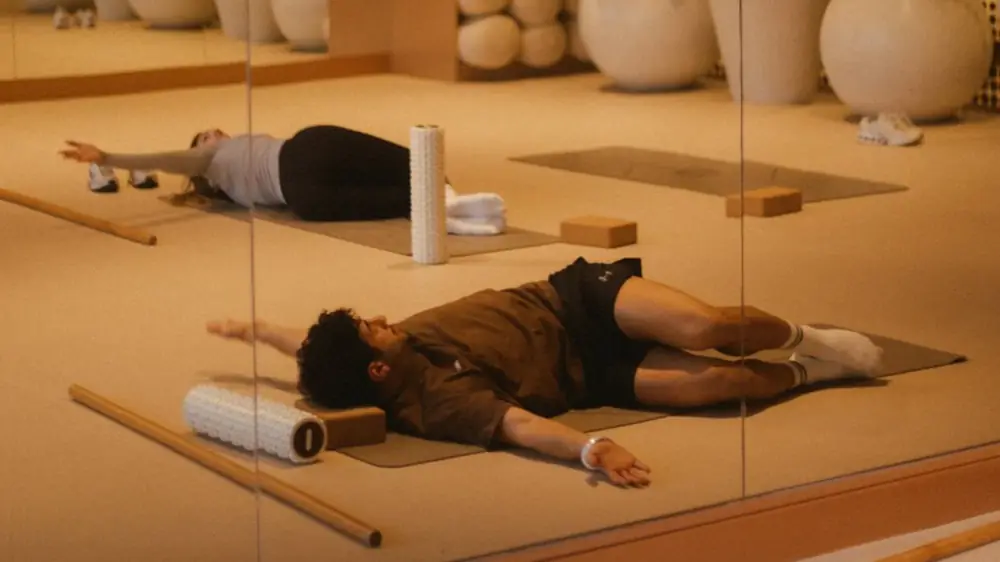
At O'Wellness Beytepe, those who want to focus on mobility have several options in the O'Soul studio. The Mobility & Stretching class aims directly at increasing joint range of motion, while Deep Stretch Yoga offers a deeper, slower-paced approach. Those who prefer a dynamic flow can choose Vinyasa Yoga, and those looking for a more balanced tempo can choose Balanced Yoga. Mat Pilates classes are also a good complement for developing core control together with mobility.
Measuring progress
The most practical way to measure mobility progress is to repeat the same simple tests (deep squat, trunk rotation, hands meeting behind the back) every few weeks and compare visually. If you want a numerical measure, you can note the distance your hand or knee reaches from a fixed point such as a wall. Change is usually noticed gradually over a few weeks; daily fluctuations are normal, and a single bad day should not be interpreted as an overall setback.
Equipment and environment
No special equipment is required for mobility work, but a non-slip mat, a resistance band and, when needed, supports such as a cushion or block make the movements safer. Because this equipment is available in the studios and functional area at O'Wellness Beytepe, you do not need to bring your own.
The relationship between breathing and mobility
Breathing is an often overlooked part of mobility practice. There is a direct mechanical link between the diaphragm, the ribs and the thoracic spine; a habit of shallow, rapid breathing can restrict the rib cage's range of motion. Breathing in deeply through the nose and exhaling slowly during mobility exercises both calms the nervous system and can help you gain a few extra degrees of range at the end of the movement. Especially in shoulder and thoracic spine work, gently deepening the range on the exhale is a common technique. In yoga-based mobility approaches, matching breath with movement both improves focus and helps keep the movement controlled.
How do mobility and strength training work together?
Seeing mobility work merely as a stretching practice is a common misconception; the most lasting results come when mobility and strength work are combined. Newly gained range of motion in a joint may not last unless the muscular strength to carry load in that range also develops. That is why it is recommended to add lightly loaded movements that use the gained range (such as deep squat variations or weighted hip openers) after mobility sessions. Reformer Pilates sessions at O'Wellness Beytepe, using Balanced Body equipment, combine mobility and controlled strengthening in the same movement thanks to adjustable spring resistance, making them a practical option for functional development, particularly around the hips and spine.
Who needs to take extra care?
In conditions such as hypermobility syndrome, where the joints are naturally overly flexible, the goal is not to increase range of motion but to make the existing wide range safe through muscle control; for these people a stabilization-focused approach is usually more appropriate than stretching-heavy work. People who have had joint surgery, experience chronic joint pain or have been diagnosed with osteoporosis should consult their doctor or a sports physiotherapist before starting a mobility program. During pregnancy, too, hormonal changes can loosen the joint ligaments, so the limits of range of motion should be assessed carefully.
Frequently asked questions
Are mobility and flexibility the same thing?
No. Flexibility is the capacity to lengthen passively, while mobility is the ability to produce the same range with active muscular control. They complement each other but are not the same.
How often should I do mobility work?
Short, regular practices of 10-20 minutes, 3-4 times a week, are generally considered more effective than infrequent long sessions.
Should mobility exercises hurt?
No. If you feel a sharp or stabbing pain, stop the movement. A mild sensation of tension is normal, but the pain threshold should not be pushed.
Where can I start mobility work in Beytepe, Ankara?
At O'Wellness Beytepe in the Yaka Beytepe complex, you can start with the Mobility & Stretching classes in the O'Soul studio, and if you wish, plan a one-to-one assessment with one of our trainers. You can also request a free facility tour and trial session.
Is loss of mobility inevitable with age?
Although a natural age-related decline in tissue elasticity has been reported, regular movement and mobility practice can help limit the impact of this process on daily function.
To get started with mobility work, get in touch with us and we will suggest a class or program that suits you.
Related posts
Dynamic vs static stretching: which one, and when?
What is the difference between dynamic and static stretching, and which should you choose before and after training? We explain the science and the practice.

Balance and Proprioception Training: Skills That Prevent Falls
How do you improve balance? What is proprioception and which exercises train it? A progressive balance program for every age, with ideas for training in Beytepe.

How Does Flexibility Improve? Static, Dynamic and PNF Stretching Compared
How can flexibility be developed? Static, dynamic, ballistic and PNF stretching, when to use each, and a sample weekly program.
