
Wrist Pain in Yoga: Preparation Drills, Hand Placement and Alternatives
Wrist pain is among the most common complaints of yoga beginners. We explain how to manage the load through warm-up, hand placement and alternative poses.
Plank, downward dog, crow pose and Chaturanga: nearly every yoga flow uses the wrists as a weight-bearing support. Since we rarely load our wrists at this angle and with this weight in daily life, feeling wrist pain in the first weeks is not surprising. The good news is that most of these issues can be managed with preparation, hand placement and modifications.
This article is informational. Wrist pain that persists, wakes you at night or comes with numbness or tingling needs evaluation by a doctor or physiotherapist. The suggestions below are general tips on load management for healthy people, not treatment for a diagnosed problem.
Why do wrists struggle in yoga?
In a standard plank or dog position, the wrist sits in roughly 70 to 90 degrees of extension and carries a significant portion of body weight. The tendons and nerves on the front of the wrist can be compressed at this angle, and the small bones and ligaments around the joint may not be used to such load. Holding the position suddenly for long, combined with repeated flows, increases the strain.
Factors that worsen the problem include weak forearm and shoulder-girdle strength, limited wrist range of motion, placing weight on the heel of the hand instead of spreading it across the finger bases, and existing tension from long hours at a desk. Many of these factors can be addressed with a quick look.
Correct hand placement
Hand placement directly changes the load on the wrist. Spread the palm fully on the mat, fan the fingers wide and press the bases of the index finger and thumb into the mat. Loading only the heel of the palm compresses the wrist, while spreading weight across the fingers and palm distributes the load.
- Spread the fingers wide with the middle finger pointing forward.
- Press the fingertips lightly into the mat and keep the centre of the palm slightly lifted, like a dome.
- Feel an outward rotation in the arms, with the elbow creases trying to face each other.
- Wrists should sit directly under the shoulders, with weight not drifting forward.
Wrist preparation before class
Putting load on cold wrists suddenly is a common mistake. Spending three to five minutes before class is enough. Wrist circles, finger spreading and closing, light weight shifts with changed hand position and forearm stretches prepare the area.
- Wrist circles: 10 repetitions in each direction, gently changing the hand position.
- Weight shifts on all fours: palms on the floor, rock slowly forward and back.
- Forearm stretch: place the hands with fingers pointing back, draw the knees and hips back and hold 20-30 seconds.
- Reverse forearm stretch: place the backs of the hands down with fingers facing the knees and lean back gently.
- Fist opening and closing: 15 repetitions to wake the forearm muscles.
Doing this preparation before every class may feel like a chore at first, but it becomes habit within a few weeks and slowly raises the load tolerance of the wrists. Never take movements to the point of pain.
Alternatives for plank and downward dog
If your wrists are sensitive, you do not have to give up the poses entirely. The options below reduce or remove wrist load entirely.
| Pose | Demanding version | Alternative |
|---|---|---|
| Plank | Flat hand, full wrist extension | Forearm plank or plank on fists |
| Aşağı bakan köpek (downward dog) | Flat hand, long hold | Forearm dog or half dog at the wall |
| Chaturanga | Load under the wrist | Knees down or elbow-chest-chin |
| Crow pose | Full arm balance | Foot support on a block, less load |
| All fours | Flat hand | Fists or a folded towel under the wrists |
Another useful tool is a folded towel or yoga wedge placed under the wrist; it reduces the angle of extension and lightens the load. Wrist wedges and slanted mat pieces sold as yoga equipment help some people as well.
Building wrist resilience
Resilience should be built before pain appears, not after. Light forearm strengthening, for example wrist flexion and extension with a light dumbbell or finger extensions with a resistance band, supports the muscles around the wrist. Two or three days a week, two sets of 10 to 15 repetitions may be enough.
Carrying, pulling and hanging movements done in the strength and functional training area also build forearm and grip strength. Such a strength base helps you meet the wrist load in yoga more comfortably. Take care to keep the wrist in a neutral position during strength work.
Desk habits and your wrists
Using a keyboard and mouse all day is a quiet factor affecting wrist health. Keeping the wrists bent constantly can lower your load tolerance in morning yoga classes. Keep your keyboard at elbow height, try to hold the wrists neutral in the air rather than resting them on the desk, and take a short wrist stretch every hour.
When should you see a doctor?
If any of the following applies, pause practice and seek a specialist's evaluation: numbness or tingling in the fingers, pain that wakes you at night, swelling or increased warmth, pain with locking or clicking when bending the wrist, and pain that does not settle within a few weeks. These signs can be early indicators of more serious conditions such as carpal tunnel syndrome.
For sports injuries, the Sports Physiotherapist service will be among the personal services once the club opens. In the meantime, consulting your own doctor or physiotherapist is the safest route.
Communicating with your instructor
If you have wrist sensitivity, speaking with the instructor before class is the easiest way to a safe experience. Share which movements cause pain, whether you have had wrist problems before and what supportive equipment you would like to use. The instructor can show alternative variations during the flow and, by watching your position, suggest corrections for hand placement.
The yoga classes planned in O'Soul aim to offer adaptation for different levels. Class times will be announced closer to opening.
Wrist load by yoga style
Not every yoga style loads the wrist equally. Vinyasa flows load the wrist most because of repeated plank, Chaturanga and dog transitions. Hatha classes have longer holds but fewer transitions. Deep Stretch (yin) and Balanced Yoga formats consist largely of poses done lying or sitting, so wrist load is low.
If you have wrist sensitivity, a sensible strategy may be to begin with formats that load the wrist less in the first weeks and move to flows like Vinyasa over time. That way tissues adapt gradually and the wrist is not strained while you learn form.
Common mistakes
- Entering the flow without warming up and not preparing the wrists in the first minutes.
- Loading only the heel of the palm and not pressing the fingers into the mat.
- Treating pain as normal and continuing to push; yoga is about listening, not overcoming pain.
- Sinking without using the shoulder girdle; when shoulders collapse the load shifts to the wrist.
- Repeating the same movement every class and never trying alternatives.
A four-week wrist preparation plan
In the first week apply only the pre-class preparation sequence and begin with fist or forearm variations. In the second week add light forearm strengthening and hold weight shifts on all fours for longer. In the third week return to the flat-hand position for short periods and limit each hold to 10 to 15 seconds.
In the fourth week, if your wrist tolerates it comfortably, you can lengthen the time gradually. If pain increases at any stage, return to the previous level. This plan is a general skeleton that can vary from person to person and does not replace a doctor's opinion in health problems.
Finally, track progress with a daily note rather than by wrist feel alone: write down in which pose and after how many seconds you feel discomfort. After a few weeks, looking at the table shows clearly which preparation and which alternative works for you. This data is also very valuable when talking with your instructor or physiotherapist.
Remember that the load-bearing capacity of the wrist develops over weeks, not in a single day. Be patient, protect your form and see your yoga practice as a long-term journey.
Can I do yoga with wrist pain?
With mild sensitivity you can continue with forearm, fist or wall variations. For persistent or sharp pain, consult a doctor first.
Should I use a wrist support?
It can be used short-term and on a doctor's advice, but long-term support may weaken wrist muscles. Preparation and strength come first.
Is plank on fists safe?
It brings the wrist angle toward neutral, which lowers the load for most people. If finger joints are sensitive, a folded towel may be preferable.
Do wrists get stronger over time?
Yes, if load is increased gradually. Preparation and forearm strength work support tissue adaptation.
Wrist pain is not a reason to quit yoga but a sign to build your practice more consciously. Do not neglect preparation, correct your hand placement and do not hesitate to use alternatives. You can contact us for founding membership pre-registration.
Related posts
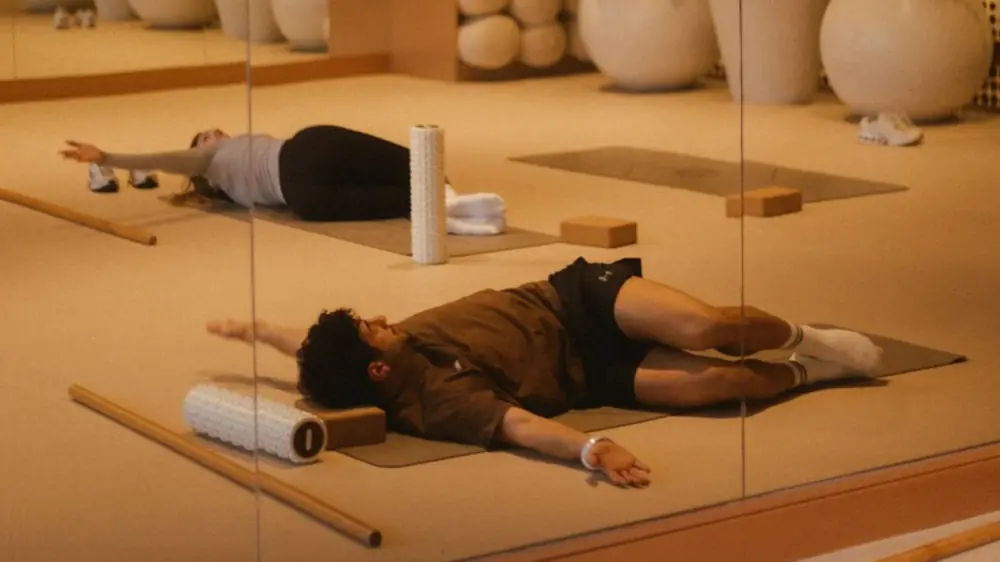
How to Use a Foam Roller: A Myofascial Release Guide
We answer how to use a foam roller with technique by area, timing advice and common mistakes. Myofascial release is a practical tool before and after training.
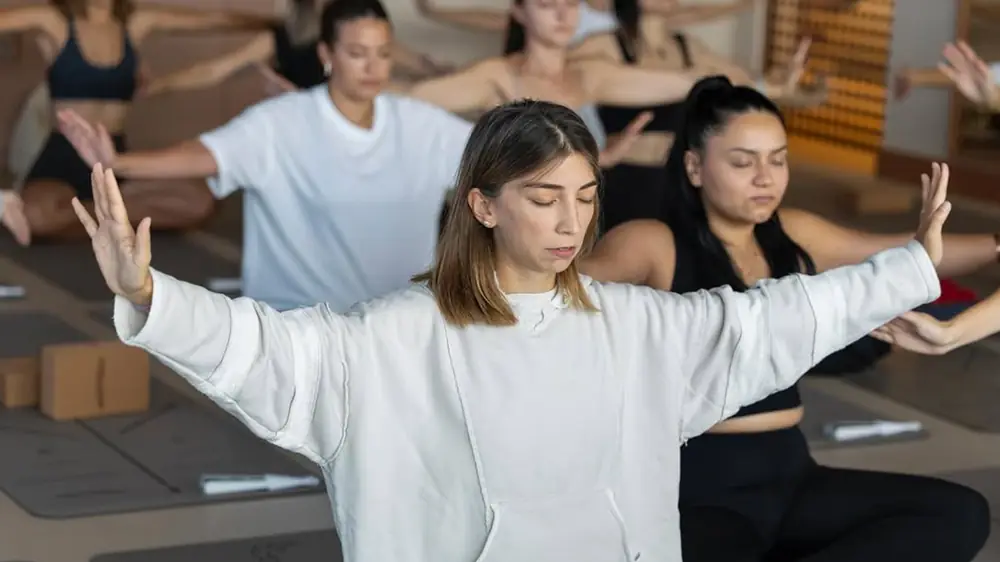
Yoga for runners: hip flexors and hamstrings
Yoga poses that balance the one-directional load of running, the right timing before and after runs, and tips for weaving them into your week.
Ankle Mobility: Squat Depth and Knee Health
If your heels lift or your knees cave in when you squat, the problem may lie in your ankles. We explain how to assess and improve ankle mobility.
