
Yoga for runners: hip flexors and hamstrings
Yoga poses that balance the one-directional load of running, the right timing before and after runs, and tips for weaving them into your week.
Running is a movement repeated continuously in a single plane; over time this can shorten the hip flexors and build tension in the hamstrings and calves. Yoga for runners balances this one-directional loading, supporting both flexibility and coordination between the hips and spine. For Ankara runners who train around Lake Eymir, in the METU forest or on the streets of Çayyolu, this article covers poses for the areas that need them most, when to do them and how to add them to your weekly programme.
How running affects the musculoskeletal system
While running, the hip flexors, especially the iliopsoas, contract with every stride and can shorten over time. This makes it harder for the hip to reach full extension and can affect stride length and efficiency. The hamstrings are also exposed to repeated eccentric loading and can become tight. The calves, Achilles tendon and plantar fascia work continuously during the push-off phase. These three areas are the main focus of a yoga programme for runners.
Before or after the run?
Before a run, choose dynamic movements over long static stretches; leg swings, walking hip openers and light lunge transitions raise muscle temperature while preparing your range of motion. Save deep, static stretches for after the run, while the muscles are still warm. A separate yoga session on a non-running day is the best time for deeper, longer-held work.
Key poses for the hip flexors
1. Low lunge (Anjaneyasana)
With the front knee bent at 90 degrees and the back leg extended behind, the hips are gently pressed forward and down. This pose provides an effective stretch for the iliopsoas and quadriceps. Hold for 30-45 seconds on each side.
2. Pigeon Pose – modified
With the front leg bent on the floor and the back leg extended, the torso folds forward. It offers a deep stretch for the hip's external rotators and flexors. People with knee sensitivity can use cushion support or the supine thread-the-needle variation.
3. Lizard pose
From the low lunge position, move your front hand to the inside of the foot and lower your torso. This pose targets the hip flexors and inner thigh muscles together.
Key poses for the hamstrings
1. Standing forward fold (Uttanasana)
Start with the knees slightly bent; as you fold forward, gradually straighten the knees according to your hamstring tension. Take care to hinge from the hips without rounding the lower back.
2. Supine leg stretch (with a strap)
Lying on your back, raise one leg with the help of a strap while the other leg stays extended on the floor. This position isolates the hamstring by removing the risk of rounding the lower back.
3. Half standing forward fold (Ardha Uttanasana variation)
Standing with one foot forward and the other back, fold your torso towards the front leg. This variation is useful for targeting one-sided hamstring tightness.
For the calves and soles of the feet
1. Downward-facing dog (Adho Mukha Svanasana)
Stretch the calves and Achilles tendon by gently lowering your heels towards the floor. Those with especially tight calves can also do it with the knees slightly bent.
2. Wall calf stretch
Step one foot forward and extend the other back; keeping the back heel on the floor, lean your body towards the wall. This classic stretch is widely used in both yoga and general training routines.
A 20-minute flexibility routine for runners
- Breath and preparation (2 min): seated diaphragmatic breathing.
- Low lunge (4 min): 45 seconds each side, 2 rounds.
- Modified pigeon pose (4 min): 45-60 seconds each side.
- Standing forward fold (2 min): 45-60 seconds, deepening with the breath.
- Supine strap leg stretch (4 min): 45 seconds per leg.
- Downward-facing dog (2 min): calf stretch by pedalling the heels.
- Closing (2 min): supine relaxation pose.
Modifications by level and situation
| Situation | Modification |
|---|---|
| Beginner runner | Short holds (20-30 s), supported lunge (cushion under the knee) |
| Experienced/long-distance runner | Long holds (45-60 s), a short daily routine |
| Knee sensitivity | Strap-assisted hip opener instead of pigeon pose |
| Pre-race (24-48 hours) | Light dynamic movement instead of deep static stretching |
Common mistakes
- Deep static stretching before a race or tempo session: it can cause temporary loss of power; choose a dynamic warm-up instead.
- Stretching only the hamstrings and neglecting the hip flexors: in runners both areas are usually imbalanced and should be worked together.
- Pushing to the point of pain: going too deep, especially in pigeon pose, can harm the knee joint.
- Trying to gain flexibility all at once: tissue adaptation takes weeks; patient, consistent practice is key.
- Going into deep stretches without warming up: deep stretching on cold muscle can increase the risk of micro-tears.
Who should be careful?
Runners with Achilles tendinitis, a hamstring muscle-tendon injury or a hip joint problem should avoid deep stretches in the acute phase and progress under a physiotherapist's guidance. In overuse injuries such as iliotibial band syndrome, the stretching programme should also be individualised; a targeted assessment is recommended rather than a generic routine. When in doubt, consult your doctor.
How is progress measured?
You can track progress by the depth you reach in a stretch (for example, the distance from your fingertips to the floor in a forward fold), how long post-run tightness lasts and how comfortable your stride feels. Keeping short weekly notes makes it easier to see which areas need more work. Focusing on movement quality rather than performance tests such as time and distance better suits the real aim of a flexibility programme.
Sample 6-week integration plan
| Week | Focus |
|---|---|
| 1-2 | 10 min of basic stretching after runs, 3-4 times a week |
| 3-4 | Add a separate 20 min yoga session 1-2 times a week |
| 5-6 | Combine pre-run dynamic and post-run static routines, track regularly |
Balancing with strength work
Flexibility alone is not enough; hip and core strengthening supports running economy and resistance to injury. Total Body or Crunch & Core classes offer strengthening work that complements a yoga routine. For runners looking for cardio variety, O'Ride Cycle can be a low-impact alternative.
In practice at O'Wellness Beytepe
The Deep Stretch Yoga and Mobility & Stretching classes in O'Wellness Beytepe's O'Soul studio include work on the hip and hamstring areas runners need most. Running technique and strengthening work can also be planned through our Athletic Performance service. For a general approach to mobility, see our recovery guide.
How hip range of motion relates to running mechanics
The hip's ability to reach full extension directly affects stride length and push-off power. When the hip flexors shorten, the body may try to compensate with excessive lumbar lordosis or a shorter stride; this can reduce efficiency and increase the load on the lower back and knees. Regular hip flexor stretching can prevent this compensation and support more natural running mechanics. These effects vary between individuals, however; remember that no single routine will produce the same result for everyone.
Spotting one-sided imbalances
Most runners have a flexibility difference between their dominant and non-dominant leg; this is usually linked to daily posture habits or past minor injuries. The difference you feel when doing the same stretch on both sides shows which side needs more work. When you notice a clear asymmetry, giving the tighter side extra time can help prevent the imbalance growing. A severe or painful asymmetry may be a sign of injury, so in that case see a physiotherapist.
Timing flexibility sessions around fatigue
After a long run the muscles are both warm and fatigued; at this point choose moderate, controlled movements rather than aggressive stretches. Overloading a tired muscle can delay recovery. Instead, a separate yoga session a few hours after the run or the next day allows deeper, safer work while the muscles are more rested.
Breath and mental focus
When running, the breath is shaped by pace and effort; in yoga practice it is kept conscious and slow. This shift benefits runners physically and mentally: slow diaphragmatic breathing activates the parasympathetic nervous system and supports recovery. Deepening the position slightly on each exhale during a stretch increases its effect and gives the mind a short break from the pace of the day.
Using equipment
A strap keeps the lower back from lifting off the floor, especially in the supine hamstring stretch, making the work safe and effective. A yoga block placed under the hip in deep hip openers such as pigeon pose can reduce imbalance. For runners with sensitive knees, a thin cushion or folded towel adds comfort in kneeling positions.
Race season preparation and flexibility
As race season approaches, training volume increases and tension can build in the muscles. Rather than dropping flexibility work at this time, adjusting its duration and intensity to your fatigue level is more sustainable. In the days just before a race, preparing the body with light dynamic movement instead of deep static stretches is safer for preserving performance. After the race, a gradual, gentle recovery routine helps the muscles return to normal. Sharing your training calendar with our trainers makes it easier to intensify the flexibility programme at the right times, prevents unnecessary overload and helps you progress more evenly through the season.
Frequently asked questions
Should I do yoga before running?
Short, dynamic movements are recommended before running; leave deep static stretches until after the run.
How many days a week should I do flexibility work?
A short stretch after every run day, plus a separate yoga session 1-2 times a week, can be enough for most runners.
Will yoga really improve my running performance?
It can contribute to stride efficiency by improving flexibility and hip-spine coordination; however, it is not a performance guarantee on its own and should be combined with strengthening and sound training planning.
Where can I take yoga classes for runners in Beytepe, Ankara?
The Deep Stretch Yoga and Mobility & Stretching classes in the O'Soul studio of O'Wellness Beytepe, in the Yaka Beytepe complex, offer a focus well suited to runners; see the weekly schedule for current times.
Can I do yoga while injured?
During an acute injury, movement choices should be guided by a physiotherapist or doctor; a generic routine may not be right for you.
Get in touch for a flexibility programme to support your running; let us plan the right classes for you together.
Related posts
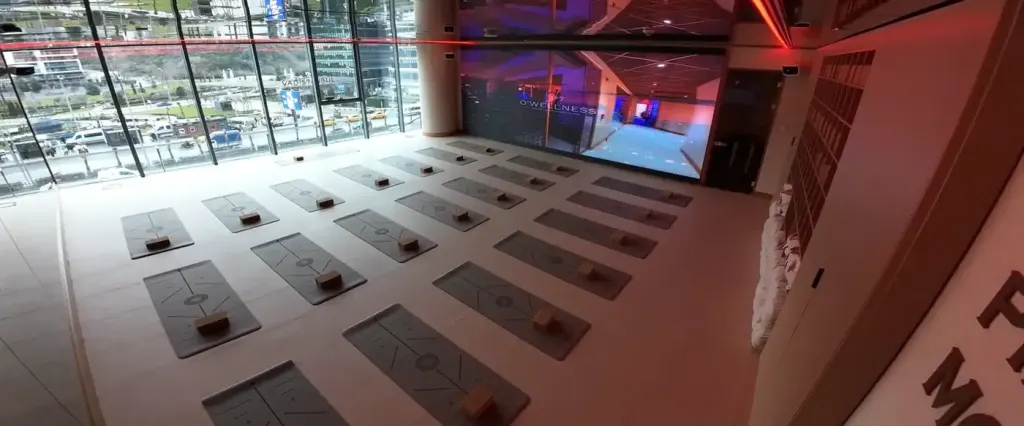
Yoga Classes in Beytepe: Weekly Schedule at the O’Soul Studio
We describe the yoga classes at the O'Soul Studio of O'Wellness Beytepe, the logic of the weekly programme and easy access from the Çayyolu-Ümitköy line.

Wrist Pain in Yoga: Preparation Drills, Hand Placement and Alternatives
Wrist pain is among the most common complaints of yoga beginners. We explain how to manage the load through warm-up, hand placement and alternative poses.
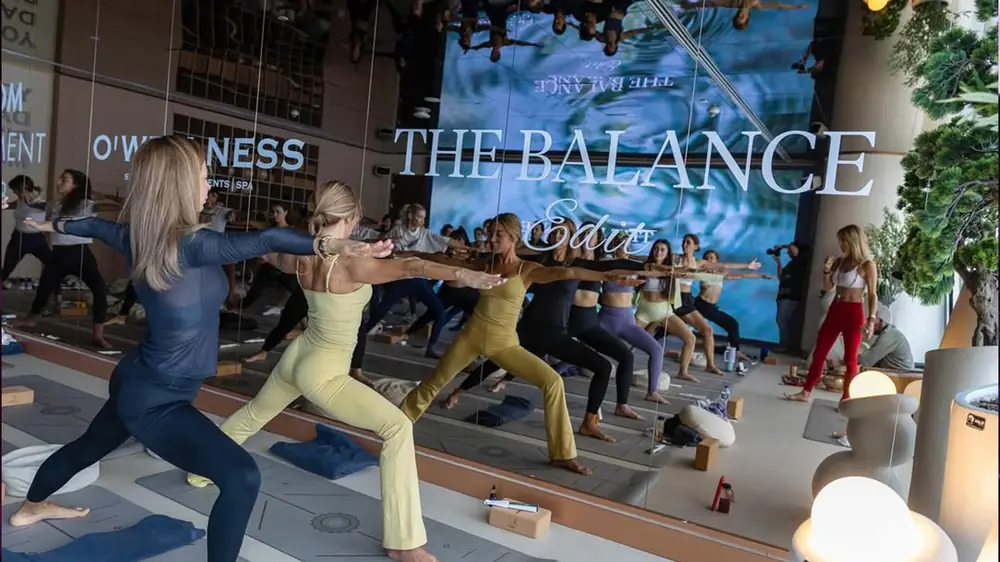
Balance and Proprioception Training: Skills That Prevent Falls
How do you improve balance? What is proprioception and which exercises train it? A progressive balance program for every age, with ideas for training in Beytepe.
