
Training in Summer: Heat, Hydration and Timing
Timing, fluid and electrolyte balance, signs of heat exhaustion and indoor alternatives at O'Wellness Beytepe for safe training on Ankara's hot summer days.
Training in summer calls for different rules from the winter months: high temperatures strain the body's ability to shed heat through sweating and speed up fluid and electrolyte loss; without the right precautions, performance drops and health risks arise. In this article we cover timing, hydration, clothing and indoor options for safe and effective training on Ankara's hot summer days.
Why does the body struggle in the heat?
During exercise, muscles produce heat, and the body releases it through sweating and heat transfer from the skin. When the air temperature rises, especially with humidity, body temperature climbs faster. The heart pumps blood to the muscles while also trying to send blood to the skin to shed heat; this extra load makes a workout of the same intensity feel harder than usual. Although summer air in Ankara's continental climate is generally dry, the high midday temperatures and strong sun noticeably amplify this effect, especially outdoors.
Getting the timing right: when to train
In the summer months the hottest part of the day is usually 12:00-17:00; it is wise to avoid intense outdoor training during these hours. Early mornings or evenings after sunset are much safer in terms of both temperature and UV exposure. If you train indoors, this constraint matters less; at O'Wellness Beytepe, open 06:00-23:00 on weekdays and 08:00-23:00 at weekends, group classes and Reformer Pilates sessions in indoor studios let you train sheltered from the outdoor heat.
Fluid and electrolyte balance
The amount of fluid lost through sweat in the heat rises markedly; it is not just water that is lost but electrolytes such as sodium, potassium and magnesium. Fluid loss exceeding 2 percent of body weight measurably reduces performance. Practical tips:
- Drink 400-600 ml of water about 2 hours before training.
- During training, have 150-250 ml of water or an electrolyte drink every 15-20 minutes.
- Consider electrolyte supplementation for sessions lasting over 60 minutes or that make you sweat heavily.
- After training, aim for roughly 1.5 litres of fluid for every kilogram lost.
- Pale yellow urine can be used as a general indicator of hydration.
Clothing and equipment
For training in the heat, choose technical sportswear that breathes, wicks sweat and dries quickly; cotton clothing holds sweat against you and makes cooling harder. Light colours absorb less sunlight. Outdoors, especially given Ankara's high altitude and strong sun, a hat and sunscreen are important for prolonged exposure. For those training indoors these precautions are less critical, but breathable fabrics still noticeably improve comfort.
Signs of heat exhaustion and heat stroke
Overdoing it in hot weather can lead to heat-related illness. The following signs must always be taken seriously:
| Sign | Heat exhaustion | Heat stroke (emergency) |
|---|---|---|
| Sweating | Heavy sweating | Sweating may stop |
| Skin | Pale, clammy | Hot, dry or flushed |
| Dizziness | Present | Severe, possible confusion |
| Pulse | Fast | Very fast and weak |
| What to do | Move to shade, drink water, rest | Call for medical help immediately |
Suspected heat stroke requires emergency medical attention; it is not something that will pass with a little rest. Stop training the moment you feel dizziness, nausea, muscle cramps or unusual fatigue.
Indoor alternatives in summer
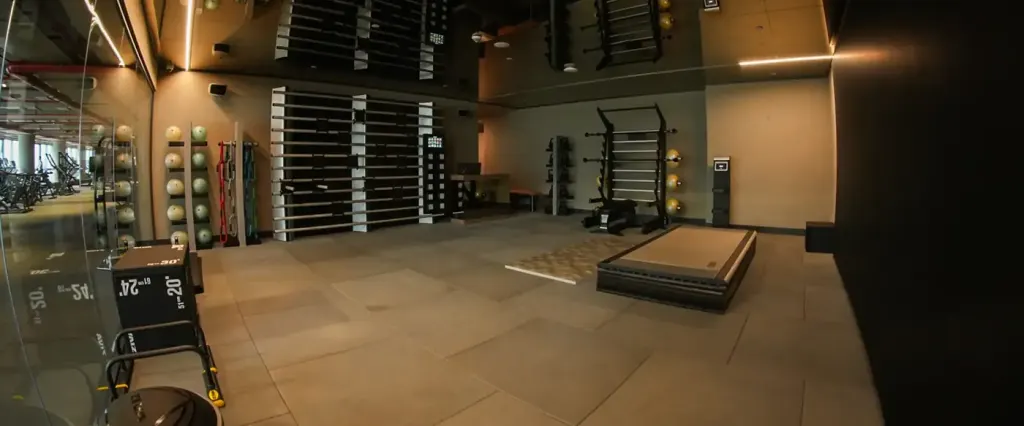
On hot days, indoor settings can be chosen instead of outdoor training. At O'Wellness Beytepe, the O'Soul and O'Rise studios, the Reformer Pilates studio, the strength and cardio area and the functional area are all indoors, making it easier to keep training in summer without staying out in the sun. Doing high-intensity classes such as O'Ride Cycle and O'Hiit in the studio rather than running outside in the midday heat reduces heat stress. Our club does not have a pool; if you enjoy swimming as a cooling, joint-friendly cardio option, you can add it to your programme after checking the current access conditions of indoor pools in Ankara.
Adjusting intensity during summer
Heat acclimatisation usually takes one to two weeks; during this time the body starts sweating earlier and manages electrolyte loss more efficiently. Rather than increasing intensity suddenly at the start of summer, a gradual transition is recommended: starting the first week at 70-80 percent of normal intensity gives the body time to adapt. The same gradual approach is appropriate when returning from a long holiday or trip.
Common mistakes
- Waiting until you are thirsty to drink: thirst appears when the body is already mildly dehydrated; drinking at regular intervals is more effective.
- Doing high-intensity outdoor training at the hottest time of day: it raises the risk of heat exhaustion unnecessarily.
- Drinking only water without electrolytes: in long, very sweaty sessions, consuming only water can lead to electrolyte imbalance.
- Ignoring signs of heat exhaustion: carrying on despite dizziness or nausea increases the risk.
Who should be extra careful in summer?
People with cardiovascular disease, uncontrolled blood pressure, diabetes or kidney problems must consult their doctor before training in hot weather. Some medications, such as diuretics and certain blood pressure drugs, can affect the body's heat and fluid balance. For pregnant women and older adults, indoor settings are also a safer choice than outdoor training in the heat.
Step by step: pre-workout preparation on a hot day
A simple preparation sequence to follow before training on a hot day significantly reduces the risks:
- Eat a balanced meal and drink 400-600 ml of water 2-3 hours before training.
- Check the temperature; if you plan intense outdoor training at midday, consider switching to an indoor alternative.
- Choose breathable, light-coloured clothing and apply sunscreen outdoors.
- Have a final 200-300 ml of water just before you start.
- Spend the first 5-10 minutes at slightly lower intensity than usual to let your body warm up.
A two-week summer acclimatisation programme
Physiological adaptation to heat happens step by step, not all at once. The sample programme below can help someone who spent the winter mostly indoors make the transition to outdoor or hotter conditions in summer.
| Period | Intensity | Recommendation |
|---|---|---|
| Days 1-3 | 60-70% of normal | Short, low pace; monitor fluid intake closely |
| Days 4-7 | 70-85% of normal | Increase duration gradually, consider electrolyte supplementation |
| Days 8-14 | 85-100% of normal | Return to usual intensity; keep monitoring symptoms |
If you notice dizziness, unusual fatigue or a drop in performance during this process, going back to the previous stage is far safer than pushing on.
Summer-specific progress indicators
- Sweating pattern: as adaptation progresses, the body starts to sweat earlier and more dilutely, indicating improved heat tolerance.
- Weighing yourself before and after training: gives a rough idea of fluid lost and helps adjust your hydration plan for later sessions.
- Resting heart rate and perceived effort: when a workout of the same intensity feels easier over time, heat adaptation is progressing.
Who these recommendations are not suitable for
High-intensity outdoor training in summer is generally not recommended for people with heart failure, serious respiratory conditions or a history of heat stroke; they should choose indoor settings and build their training plan with their doctor. Since heat tolerance may also be lower in young children and older adults, avoiding outdoor activity during the hottest hours is especially important.
Suggested class combinations
In summer, varying your weekly programme so that at least one day is low-intensity and relaxing protects performance and reduces heat stress. For example, while training hard with O'Hiit two days a week, adding low-paced classes such as Balanced Yoga one day and Mobility & Stretching another supports recovery in the hot months. On hot days, pay attention to fluid intake and adjust intensity to the weather.
Supporting performance with nutrition in summer
Sodium and other electrolytes lost through sweat in the heat are not always adequately replaced by water alone. After long or very sweaty sessions, a lightly salted snack, an electrolyte drink or potassium-rich fruit such as bananas can help support balance. In summer, choosing easily digested meals rich in vegetables and protein instead of heavy, fatty ones can reduce pre-workout discomfort. If you would like to adapt your nutrition to the season, you can meet with our dietitian.
Staying consistent during holidays and travel
Summer months are often filled with holidays and travel; rather than dropping your routine entirely, it is possible to keep it going in a lighter form. A daily 20-30 minute walk, swimming where available or equipment-free bodyweight movements while travelling make it easier to adapt back to your previous intensity on your return. When you come back to the club after a long break, increasing intensity gradually in the first week reduces injury risk during this transition, which is compounded by the heat.
Frequently asked questions
What are the safest times for outdoor exercise in summer?
Early mornings or evenings after sunset are much safer than the midday heat.
How much water should I drink during training?
150-250 ml of water or an electrolyte drink every 15-20 minutes is a good starting point; adjust it to the duration and how much you sweat.
What should I do if I feel dizzy?
Stop training immediately, move somewhere cool and drink water; if symptoms persist or are severe, seek medical help.
Can I train in Beytepe in summer without being out in the sun?
Yes; the studios, strength and cardio area and functional area at O'Wellness Beytepe are all indoors. Note that the club has no pool.
Which classes are good choices in summer?
Classes held in indoor studios, such as O'Ride Cycle, O'Hiit or Reformer Pilates, offer an option independent of the outdoor heat.
Get in touch to keep your summer programme going despite the heat; let us plan your free trial session in our indoor studios together.
Related posts
Winter Motivation: The Advantage of Indoor Studio Classes and a Steady Routine
Why does workout motivation drop in winter and how can you keep it? How heated studios, group classes and a steady routine support consistent training through Ankara's winter.
Returning to Exercise After Injury: A Guide to Gradual Loading and Pain
A rushed comeback can lead to re-injury. We explain how to interpret pain and the principles of gradual loading.
Muscle Soreness (DOMS): Causes and Relief
The answer to how muscle soreness goes away lies in the right recovery methods. We explain the causes of DOMS, how long it lasts and how to ease it, step by step.
