
The Effect of Massage on Recovery: Deep Tissue, Sports Massage and More
Sports massage benefits include reduced muscle tension, supported range of motion and general relaxation. We compare deep tissue, sports massage and other types.
The stiffness felt in the muscles after a hard training period leads many people to look into massage options. Although exaggerated claims about the benefits of sports massage are often heard, massage's contribution to the recovery process is in reality modest and limited to specific areas. In this article we look at the differences between deep tissue massage, sports massage and other common types, who they suit and when, and how they can be fitted into a program.
How does massage contribute to recovery?
Although there are different views on how massage works, the generally accepted points are these: massage is reported to support blood circulation in superficial muscle tissue, reduce muscle tone (tension) and have a calming effect on the nervous system. It is also observed that massage can reduce perceived muscle soreness (DOMS) and increase the general feeling of relaxation. These effects can vary from person to person; massage does not replace the training program but complements it.
Types of massage and how they differ
| Style | How it is applied | When it is preferred |
|---|---|---|
| Swedish (classic) massage | Superficial, long, gentle strokes | General relaxation, mild tension |
| Deep tissue massage | Slower, targeted, firmer pressure | Chronic tension, stiffness in specific muscle groups |
| Sports massage | Before or after training, dynamic and goal-oriented techniques | Pre-performance preparation and post-performance recovery in active athletes |
| Myofascial release | Slow pressure focused on fascia (connective tissue) | Restricted movement, feeling of adhesion |
| Trigger point therapy | Pressure focused on specific tender points | Localized pain or a knotted feeling |
Deep tissue massage: who is it suitable for?
Deep tissue massage is a technique aimed at the deeper layers of muscle tissue and the fascia, involving firmer pressure. It is preferred by people with chronic muscle tension, back and shoulder stiffness from long sitting, or tension built up after intense training. The pressure level can be adjusted to the person; an overly painful session can cause discomfort instead of benefit, so communication with the therapist is important.
Sports massage: the difference before and after training
Unlike general massage, sports massage is shaped by the athlete's needs at that moment. Sports massage given before training or competition is usually shorter, lighter and stimulating; the aim is to prepare the muscles for movement. Sports massage given after training is slower in tempo and aimed at reducing tension and supporting relaxation. In intense training periods, one sports massage session a week can contribute to the general recovery routine.
When should massage not be done?
- Direct massage should not be done in the first 48-72 hours on an acutely injured area (sprain, muscle tear); an assessment by a doctor or sports physiotherapist should come first.
- Massage should be postponed if there is a feverish infection, skin infection or open wound.
- Massage must never be applied where deep vein thrombosis is suspected; urgent medical assessment is needed.
- In uncontrolled high blood pressure or certain cardiovascular conditions, a doctor's approval is required before massage.
If you have doubts about any of these situations, it is important to consult your doctor before a massage session.
What to watch before and after massage
- Before the session: Avoid heavy meals, drink plenty of water and tell your therapist about painful or sensitive areas.
- During the session: Do not hesitate to say if the pressure feels uncomfortable; the idea that pain is good for you is not correct.
- After the session: Drinking plenty of water, light stretching and avoiding intense training that day support recovery.
- Follow-up: Mild tenderness the next day can be normal; if severe pain or bruising persists, tell your therapist or doctor.
How often should you have a massage?
Frequency varies with training intensity and budget. One session a week for athletes who train hard, one every 2-4 weeks for moderately active people and one a month for general relaxation is a common approach. There is no fixed rule; adjusting the frequency by observing your body's response is best.
Common mistakes
- The idea that the more it hurts the more effective it is: Excessive pressure can cause unnecessary irritation of muscle tissue; effective massage is not necessarily the most painful.
- Applying massage too early to an acute injury: Direct massage on a fresh injury can delay healing.
- Thinking massage alone is a recovery solution: It is not realistic to expect recovery from massage alone without sleep, nutrition and rest days.
- Returning to intense training right after the session: Giving the muscles a short adjustment period after massage is helpful.
Combining massage with other recovery methods
Sports massage works best not alone but as part of a holistic recovery approach. For example, after an intense Total Body or Reformer Pilates session, light stretching, enough sleep and nutrition, together with a massage from a therapist when needed, can make up a comprehensive recovery routine. Within the club, options such as a Mobility & Stretching class, Deep Stretch Yoga and foam roller release support this routine.
The difference between a sports physiotherapist and a massage therapist
While a massage therapist generally focuses on muscle tension and general relaxation, a sports physiotherapist offers a broader clinical approach such as injury assessment, a rehabilitation program and movement analysis. If pain, restricted movement or a recurring injury is involved, going first through an assessment by the sports physiotherapist within our private services is more suitable for proper guidance.
Equipment and setting: what to look for in a professional massage session
For a quality sports massage session, a hygienic environment, a room at a suitable temperature and an experienced therapist trained in the relevant field are important. The therapist asking about your health history (surgeries, chronic conditions, current areas of pain) is necessary for a safe, personalized session. Sharing this information fully before the session matters for both safety and effectiveness.
Who it is not suitable for, or who needs care
- In people receiving cancer treatment or undergoing chemotherapy, massage should be done only with the approval of the oncology team and with therapists experienced in this area.
- In people with advanced osteoporosis, the pressure level of deep tissue massage must be adjusted carefully.
- Although massage in pregnancy is generally considered safe, some positions and techniques should be avoided and a therapist trained specifically for pregnancy should be preferred; consult your obstetrician for definite guidance.
- In people with a bleeding disorder or who use blood thinners, a doctor's approval should be obtained before deep tissue massage.
How do you track progress?
To assess massage's contribution to your recovery you can look at a few simple indicators: easing of range of motion after the session, the level of stiffness felt before training the next day and overall sleep quality. If you see a positive trend in these over time, the current frequency and type suit you; if you feel no change, you can review the technique or frequency with your therapist.
Where massage fits in a sample weekly recovery program
| Day | Content |
|---|---|
| Monday | Strength training |
| Tuesday | Reformer Pilates |
| Wednesday | Active rest and light stretching |
| Thursday | Functional training (O'Hiit) |
| Friday | Sports massage session |
| Saturday | Light cardio or a walk |
| Sunday | Full rest |
In a program like this, it is useful to schedule massage after the week's intense training days but leaving enough time before the next intense session.
Basic movements used in massage techniques
Several basic techniques are used together in a professional sports massage session. Long gliding strokes called effleurage are applied at the start and end of the session to warm and calm the tissue. Kneading movements known as petrissage are used to work the muscle tissue more deeply. Circular, focused pressure called friction is directed at trigger points or areas of adhesion. An experienced therapist combines these techniques in different proportions according to the aim of the session (preparation, relaxation, targeted work). Telling your therapist before the session which area you want more or less work on helps shape the session to you.
Equipment and complementary methods after massage
After a massage session, some people do light self-myofascial release with a foam roller; this can be a way of carrying the effect of massage into the daily routine. Hot and cold applications (such as a contrast shower) can also create an extra feeling of relief in some people. These complementary methods depend on personal preference and are not medically required; if you feel discomfort, it is advised to stop.
What to look for when choosing a massage therapist
- Make sure the therapist has certified training in the relevant field (sports massage, deep tissue, myofascial).
- Expect them to ask about your health history (surgery, chronic conditions, current pain); if they do not, share it yourself.
- Prefer a therapist who allows open communication so you can adjust the pressure level during the session.
- Make sure you receive the service in an environment that attends to hygiene standards (clean towels, disinfected equipment).
- If possible, hold a short introductory conversation before the first session to judge whether your communication styles match; this small step can help you build a regular and productive recovery habit.
Frequently asked questions
What is the difference between sports massage and classic massage?
Sports massage is a more targeted, dynamic technique shaped by the athlete's needs before or after training. Classic (Swedish) massage involves softer, broader movements for general relaxation.
Should deep tissue massage be painful?
Some discomfort can be normal, but severe pain is not right. Keeping the pressure within your tolerance is safer and more effective than the logic that pain is good for you.
Should I have a massage right before or after training?
A short, light, stimulating massage is preferred before training, and a slower, relaxation-oriented one afterward. Different techniques are used for the two different aims.
Does massage treat an injury?
Massage can reduce general tension and provide relaxation, but it does not replace the diagnosis and treatment of an injury. If there is pain or restricted movement, you should first see your doctor or sports physiotherapist.
To plan your recovery routine, write to us through our contact page and we will look at the sports physiotherapist, Mobility & Stretching and other options together.
Related posts
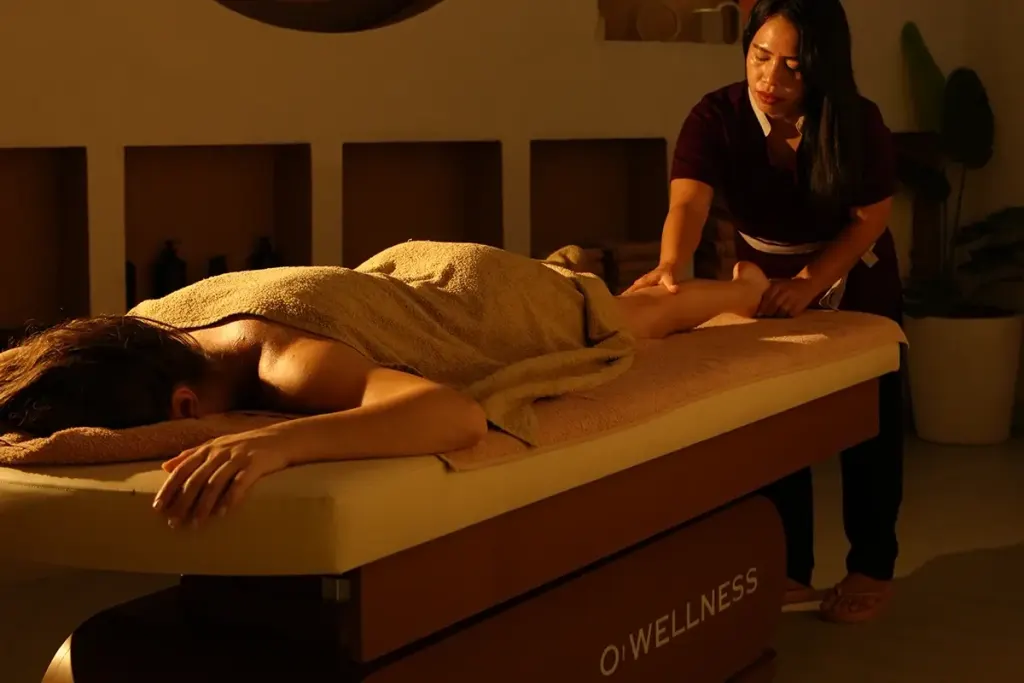
What Is Wellness? Physical, Mental and Social Well-Being
What is wellness and how does it differ from fitness? We explain the approach that brings physical, mental and social well-being together and how it is applied at O'Wellness Beytepe.
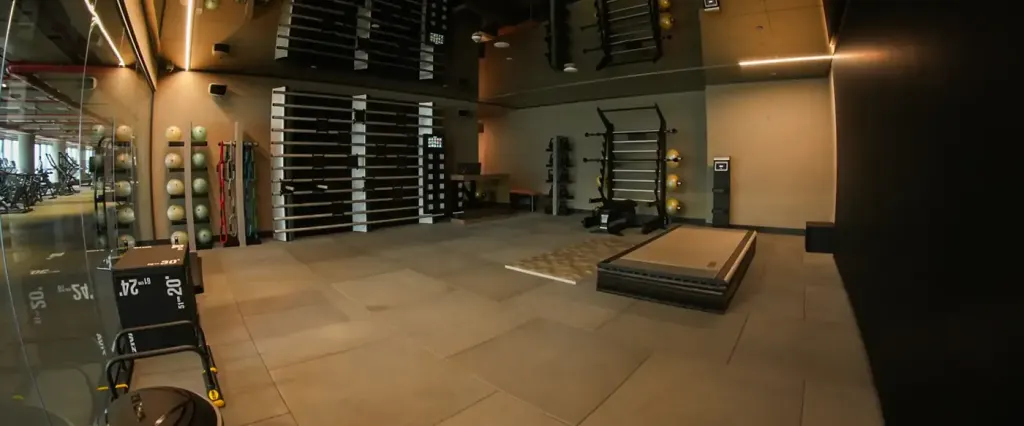
Post-workout swimming and active recovery: a view from Beytepe
After hard training, easy swimming often beats total rest. Here is how to fit swimming and the recovery options at O'Wellness Beytepe into your routine.
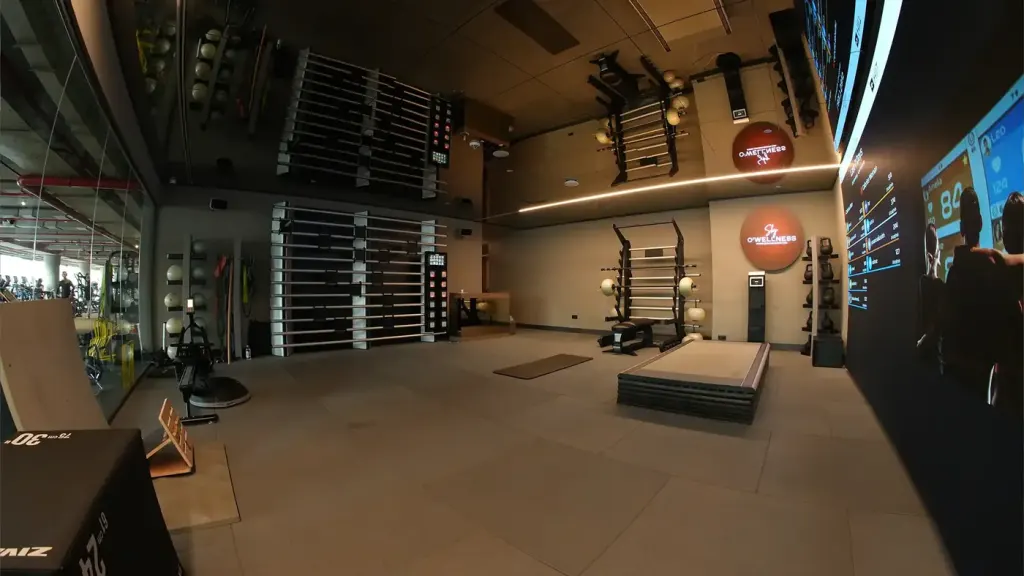
Sedentary Living and "Sitting Disease": Getting Back on the Move
Long hours at a desk quietly affect posture, circulation and energy. In this article we explain the possible harms of a sedentary lifestyle and a gradual plan for getting back on the move.
