
Sedentary Living and "Sitting Disease": Getting Back on the Move
Long hours at a desk quietly affect posture, circulation and energy. In this article we explain the possible harms of a sedentary lifestyle and a gradual plan for getting back on the move.
Hours spent at a desk, whether in the office, on campus or at home, have become a way of life most of us adopted without noticing. The harms of a sedentary lifestyle are not limited to weight gain; it can also affect posture, circulation, muscle strength and the energy we feel throughout the day. In this article we look at the possible effects of sedentary living and practical ways to move step by step towards a more active routine.
What does "sitting disease" mean?
"Sitting disease" is not a medical diagnosis; it is a popular expression used to describe the possible negative effects of prolonged inactivity on general health. It is widely accepted that, even for someone who exercises regularly, sitting for hours without a break during the rest of the day can be seen as a separate risk factor. So rather than thinking "I train three days a week, I can sit the rest of the time", building regular movement breaks into the day matters in its own right.
Possible effects of a sedentary lifestyle
| Area | Possible effect |
|---|---|
| Posture and musculoskeletal system | Tension in the neck, shoulders and lower back; shortened hip flexors |
| Circulation | A heavy feeling in the legs, slowed circulation during long journeys and sitting |
| Muscle strength | Gradual loss of strength in unused muscle groups |
| Energy and mood | General fatigue, difficulty concentrating |
| General metabolism | Negative long-term effects on weight management and metabolic health are reported |
These effects vary from person to person and definite health conclusions require a physician's assessment; the table is provided for general awareness only.
Common signs of postural problems
- Rounded shoulders and a forward head position (linked to long screen use)
- Stiffness or pain in the lower back that builds towards the evening
- A feeling of tightness at the front of the hips, in the flexors
- A frequent need to shift position while sitting
If these symptoms are severe or affect your daily life, an assessment by a sports physiotherapist can show the way forward.
Practical ways to move more during the day
- Stand up every 45-60 minutes: a short walk or a few stretches can ease the effect of prolonged sitting.
- Take calls standing up: whenever possible, try to hold phone calls and short meetings standing or walking.
- Choose the stairs: using the stairs instead of the lift effortlessly increases your daily movement.
- Schedule desk stretching breaks: spread short stretches for the neck, shoulders and wrists across the day.
- Consider an adjustable desk: desks that allow standing work can help reduce sitting time.
From sedentary to active: an 8-week plan
| Week | Focus |
|---|---|
| Weeks 1-2 | Two 10-minute walks a day, an hourly reminder to stand up |
| Weeks 3-4 | Two 30-minute low-intensity sessions a week (brisk walking, easy cycling) |
| Weeks 5-6 | Two to three structured classes a week (Mobility & Stretching, mat Pilates) |
| Weeks 7-8 | A mixed programme 3-4 days a week: strength, mobility and light cardio |
This gradual structure is designed to reduce the risk of starting with an intense programme all at once and giving up soon after.
Which types of training best offset the effects of sitting?
- Mobility and stretching work: targets the hip flexors and back muscles shortened by long sitting; the Mobility & Stretching class in the O'Soul studio suits this purpose.
- Core and posture work: Reformer Pilates strengthens the deep abdominal and back muscles, supporting a more upright posture.
- Low-impact cardio: brisk walking, O'Ride Cycle and elliptical or bike work in the cardio area can help support circulation.
- Functional strength training: classes such as Total Body strengthen the muscle groups we use in everyday movement in an integrated way.
Common mistakes
- Thinking "three days of exercise a week is enough": regular exercise matters, but sitting constantly for the rest of the day counts as a separate risk factor.
- Starting with an intense programme straight away: for a body that has been inactive for a long time, sudden intense training can raise the risk of injury; a gradual start is recommended.
- Piling on cardio and neglecting strength: strengthening work is also essential for posture and musculoskeletal health.
- Never taking a screen break: even with regular exercise, never getting up during working hours lengthens total inactive time.
Who should be careful?
If you have led an inactive life for a long time and have a chronic condition such as cardiovascular disease, a serious joint problem or uncontrolled diabetes, it is important to get your physician's approval before starting an intensive exercise programme. If you have symptoms such as severe lower back or neck pain, numbness or loss of strength, be sure to have an assessment before starting.
How do you track progress?
As you move to an active routine, you can track progress through daily step count, the frequency of sitting breaks, overall energy levels and changes in posture-related discomfort. Some people use a simple pedometer or a notebook for this, while others rely on the inactivity alerts of smartwatches. Whichever method you choose, what matters is applying it regularly and consistently.
Equipment and workspace adjustments
An ergonomic chair, a screen placed at eye level and a keyboard layout that keeps the wrists in a neutral position can help reduce the negative effects of long sitting. Leaving a small space next to your desk where you can stretch for a few minutes also makes short movement breaks during the day much easier to carry out.
The link with recovery and general health
Moving away from inactivity matters not only for training performance but also for the body's overall capacity to recover. Regular movement can support sleep quality and stress management. If you have noticeable posture-related discomfort, you can make use of the sports physiotherapist assessment among our special services; after demanding weeks, a Mobility & Stretching class can also help muscles relax.
Building an active routine at O'Wellness Beytepe
Our club in the Yaka Beytepe complex brings together a strength and cardio area, a Reformer Pilates studio, the O'Soul studio offering mobility and yoga classes, and a functional zone. Being a few minutes from Hacettepe's Beytepe campus and the Çayyolu–Ümitköy line, with parking in the complex, makes it easy to add a short session to your routine at the start or end of the working day. The club is open 06:00–23:00 on weekdays and 08:00–23:00 at weekends, and a free facility tour and trial session let you discover which classes suit you.
Different approaches for different age groups
The effects of inactivity can show up differently depending on age. In young adults, changes in posture and energy levels tend to be noticed first, while from middle age onwards joint stiffness, loss of muscle strength and circulation complaints may become more pronounced. In older adults, prolonged inactivity can also be associated with loss of balance and a risk of falls. The common recommendation at every age is to build movement into daily life gradually and sustainably; however, for older adults and people with chronic conditions, a physician's assessment before starting is especially important.
Extra tips for remote workers
For people working from home, natural opportunities to move such as commuting disappear, so planning movement deliberately becomes even more important. Starting the day with a short walk, taking a 15-20 minute exercise break at lunchtime or attending a regular class at the end of the working day can help close the movement gap created by remote work. Placing short stretching breaks between meetings also reduces the tension that builds up later in the day.
The link between nutrition and inactivity
As hours spent sitting increase, some people also snack more; behind this there is often boredom or stress becoming linked with food. Setting regular meal times and planning snacks consciously helps manage both diet quality and the risk of weight gain associated with inactivity. Working with a dietitian can be useful for a detailed nutrition plan.
Encouraging movement with family and friends
Keeping up an active routine is much easier with social support. Planning weekend walks with family around Lake Eymir or near the METU forest, signing up for a class with friends or taking short lunchtime walks with colleagues can make movement a natural part of everyday life. Shared habits like these are often more lasting than discipline you try to build alone.
Long-term sustainability and habit building
Moving away from a sedentary life for good happens not through a one-off decision but through small, repeated habits. Taking a short walk at the same time every day, attending a fixed class on certain days or taking regular stretching breaks at your desk can, over time, turn into automatic behaviours that require no effort. Accepting that progress will not always follow a straight line helps preserve motivation on days when things slip. The goal is not short-term perfection but a balance you can sustain in the long run. When you miss a day, picking up where you left off the next day instead of abandoning the whole programme is the most practical way to build a lasting habit. Being flexible and realistic with yourself keeps motivation alive for longer and markedly increases the chance of turning movement from a temporary effort into a genuine lifestyle change.
Frequently asked questions
I exercise regularly; am I still at risk of sitting disease?
Yes; sitting for long uninterrupted periods during the rest of the day is considered a risk factor independent of regular exercise. Alongside exercise, taking regular movement breaks during the day is also important.
How often should I stand up during the day?
As a general recommendation, getting up for a few minutes or taking a short walk every 45-60 minutes can be beneficial. Regular and consistent breaks matter more than an exact number.
I have poor posture; which class should I start with?
Mobility and core-focused classes, such as Mobility & Stretching and Reformer Pilates, are usually a good start. If you have noticeable pain or discomfort, we recommend getting a sports physiotherapist assessment first.
How long does it take to switch to an active routine?
It depends on your current fitness and goals; with a gradual approach, a clear change in habits can usually be seen within 6-8 weeks.
Where can I start balancing a sedentary lifestyle in Ankara?
O'Wellness Beytepe supports a gradual shift from an inactive daily routine to an active lifestyle by offering mobility, strength and low-impact cardio options together at its club in the Yaka Beytepe complex.
To get started on an active routine, reach us through our contact page and let's work out a starting programme that suits you.
Related posts
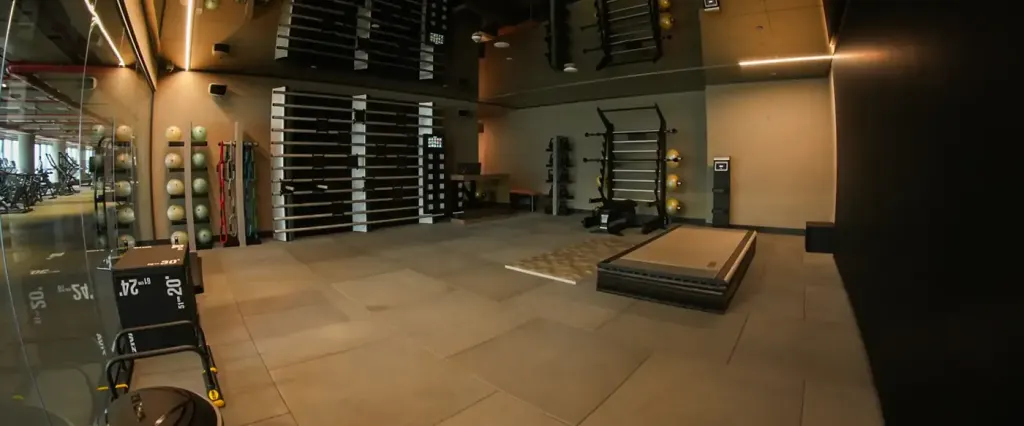
Post-workout swimming and active recovery: a view from Beytepe
After hard training, easy swimming often beats total rest. Here is how to fit swimming and the recovery options at O'Wellness Beytepe into your routine.
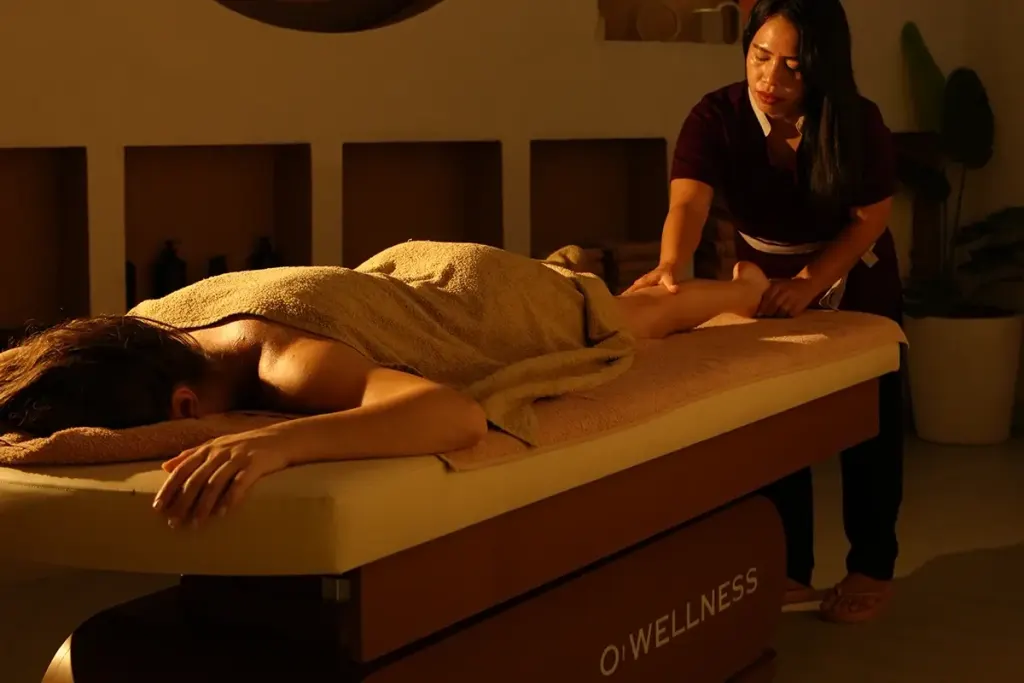
What Is Wellness? Physical, Mental and Social Well-Being
What is wellness and how does it differ from fitness? We explain the approach that brings physical, mental and social well-being together and how it is applied at O'Wellness Beytepe.
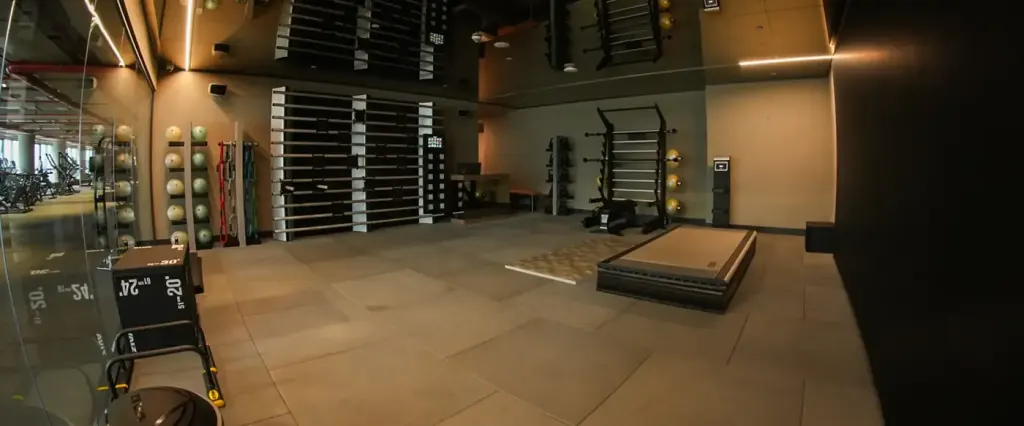
Training in Summer: Heat, Hydration and Timing
Timing, fluid and electrolyte balance, signs of heat exhaustion and indoor alternatives at O'Wellness Beytepe for safe training on Ankara's hot summer days.
