
Post-workout swimming and active recovery: a view from Beytepe
After hard training, easy swimming often beats total rest. Here is how to fit swimming and the recovery options at O'Wellness Beytepe into your routine.
After a hard workout, is it better to rest completely or to move lightly? The widely accepted view in sports science, and research, suggest that light activities such as easy swimming often provide more effective recovery than complete rest. Moving in water eases the load on the joints while supporting blood flow to the muscles. In this article we explain how to swim for active recovery, the right pace and duration, and which options you can use to complete your recovery routine at O'Wellness Beytepe, which does not have a pool.
What is active recovery and why does it work?
Active recovery means keeping blood circulating in the muscles by moving at low intensity after a hard session. While blood flow slows during complete rest, light movement can help muscles clear metabolic by-products more efficiently. Water is an advantageous environment for this: hydrostatic pressure supports circulation, while buoyancy markedly reduces the load on the joints compared with movement on land.
The physiological effects of water
As the body enters the water, water pressure creates a gradient that increases from the legs towards the torso, which can make it easier for blood to return to the heart (venous return). Buoyancy carries much of the body's weight and relieves the joints. That is why gentle movement in water can be more comfortable than exercise on land for people with sensitivity in the knees, hips or lower back.
Recovery swimming versus performance swimming
| Feature | Active recovery swimming | Performance/training swimming |
|---|---|---|
| Tempo | Low, easy enough to talk | Moderate to high, breathing may be strained |
| Duration | 10-20 minutes | 30-60 minutes |
| Goal | Support circulation, relax | Improve fitness and performance |
| Stroke | Freestyle, backstroke, easy pace | Technique-focused, paced sets |
Step-by-step active recovery protocol
- Entry (2-3 minutes): get into the water, adjust and take a few deep breaths.
- Easy swimming (10-12 minutes): swim freestyle or backstroke at a pace at which you could talk.
- In-water stretching (3-5 minutes): do leg and shoulder stretches at the side of the pool.
- Free swimming or water walking (3-5 minutes): finish with slow walking or very easy swimming.
- Exit and rest: get out, sit and rest for a few minutes, and drink water.
The total time is usually around 20-25 minutes; this is not a workout but a light activity that supports circulation.
Which strokes suit recovery?
- Freestyle (easy pace): supports general circulation and gently moves the shoulder and trunk muscles.
- Backstroke: reduces load on the spine and is a comfortable option for those with a tight lower back.
- Breaststroke (easy pace): gently works the hip and leg muscles, though those with sensitive knees should be careful.
- Water walking: a good alternative for non-swimmers or anyone wanting very low intensity.
Common mistakes
- Turning recovery into a performance swim: raising the pace turns the session into training and can add fatigue.
- Getting into cold water straight after training: sudden cold contact while body temperature is high can be uncomfortable for some people; resting a few minutes first is more comfortable.
- Swimming without warming up: taking powerful strokes without moving the shoulder and neck muscles for a few minutes can cause tension.
- Forgetting to hydrate: you may not notice thirst while in water; drink before and after the session.
Who it may not suit / who should be careful
- People with open wounds, skin infections or active ear infections should stay out of the pool until healed.
- Those with an uncontrolled heart condition should get medical approval before water activity.
- Non-swimmers should choose more controlled options such as water walking.
- Those with a history of rotator cuff injury may prefer backstroke or water walking to freestyle; an instructor's or physiotherapist's opinion is recommended.
How do you measure progress?
Progress in recovery swimming is measured not by speed or distance but by the severity and duration of muscle soreness (DOMS) the next day. People who regularly do light activity after training may notice over time that they feel less stiff the following morning. To track this, you can keep a simple log noting the type of training, the recovery activity and the next day's soreness on a 1-10 scale.
Sample weekly combination
Since there is no pool at Beytepe, in the example below you can swim at a pool you use elsewhere in Ankara and use the club's recovery options on the other days.
| Day | Main workout | Recovery activity |
|---|---|---|
| Monday | Strength training (lower body) | 15 min easy O'Ride Cycle or walking |
| Tuesday | Reformer pilates | Rest or a light walk |
| Wednesday | Intense group class | 20 min easy swim (at a pool in Ankara) |
| Thursday | Rest | Light walk + light stretching |
| Friday | Strength training (upper body) | Mobility & Stretching class |
Recovery at O'Wellness Beytepe: what is there instead of a pool?
O'Wellness Beytepe does not have a swimming pool; however, the core idea of active recovery, moving at low intensity and supporting circulation, can be applied with other options at the club. A 10-15 minute low-resistance spin in an O'Ride Cycle class in the O'Rise studio or in the cardio area, Deep Stretch and Mobility & Stretching classes in the O'Soul studio can round off your recovery routine after a hard session. If you want to keep swimming in your routine, we recommend checking the current access conditions and hours of pools in Ankara.
Equipment and technical details for pool use
Recovery swimming requires no special equipment; even so, goggles improve eye comfort and a kickboard lets those with tired shoulders work with their legs alone. A water temperature of around 27-29°C suits recovery in terms of both comfort and muscle relaxation; very cold water can increase muscle tension, while very warm water can create more fatigue than necessary.
Combining with related classes
Combining easy swimming, or low-intensity cardio time at the club, with a gentle class such as Mobility & Stretching before or after creates a holistic approach that supports both joint range of motion and circulation. If you would like a personalised recovery strategy, you can use the sports physiotherapist support among our special services.
4-week active recovery habit plan
If you are new to adding active recovery to your routine, a gradual adjustment period makes it more comfortable. The plan below is a general framework; you can adapt it to your own programme by swapping swim sessions for light cardio or mobility sessions at the club.
| Week | Sessions | Duration | Focus |
|---|---|---|---|
| Week 1 | 1-2 sessions | 10 minutes | Getting used to it, easy pace |
| Week 2 | 2 sessions | 15 minutes | Variety (different strokes, or cycling and walking) |
| Week 3 | 2-3 sessions | 18-20 minutes | Stretching added |
| Week 4 | 2-3 sessions | 20 minutes | Full protocol, regular routine |
Breathing technique and relaxing in the water
In recovery swimming, breathing should focus on comfort, not speed. Breathing steadily and calmly while swimming improves comfort in the water and helps calm the nervous system. In freestyle you can breathe every two or three strokes, while in backstroke you can breathe freely because your face is above the water. Taking fast strokes while holding your breath can create tension that works against recovery. Floating on your back for a few minutes at the end is a simple but effective way to relax; at the club, you can get a similar calming effect from the breathwork at the end of classes.
Why water temperature and facility conditions matter
Pool water temperature directly affects how comfortable recovery feels. Very cold water can constrict blood vessels (vasoconstriction) and reduce circulatory support, while overly warm water can cause unnecessary fatigue. In indoor pools, keeping the air temperature close to the water temperature reduces the sudden chill when you get out. Regular water quality checks and cleaning matter for both skin health and hygiene; paying attention to these when choosing where to swim in Ankara improves comfort in the long run.
Mental benefits and stress reduction
The sense of lightness water provides and repetitive, rhythmic movement can also be mentally relaxing. Spending calm time after a demanding workout or workday can help reduce daily stress. Those who want to strengthen this effect can adopt a breath-focused approach, away from music and outside stimuli. Mental recovery is as valuable as physical recovery for sustaining training in the long term.
The role of water with common injuries
For people with mild knee, hip or lower back discomfort, water can offer a more comfortable recovery environment than exercise on land because it reduces joint load. For example, someone with knee pain could walk in water or swim gentle freestyle instead of running, maintaining fitness without stressing the joints. However, this approach does not replace diagnosis and treatment in the case of serious injury or pain; in such cases seeing a sports physiotherapist and getting medical approval come first. The sports physiotherapist at O'Wellness Beytepe can help you plan both land-based and water-based recovery work around your needs.
Seasons and the advantage of indoor recovery
During Ankara's cold, long winter months, light exercise outdoors can become difficult. In this period, an active recovery routine maintained in an indoor pool or at the club helps preserve the continuity of your training programme. A controlled indoor temperature also reduces the risk of muscle tension caused by sudden changes in outdoor weather.
Frequently asked questions
Should active recovery follow every workout?
It is not essential; doing it two or three times a week, especially after intense strength or long cardio sessions, strikes a good balance. Doing it daily is also fine as long as the intensity stays low.
Can I benefit from water if I cannot swim?
Yes, water walking and gentle movement are options that support circulation for non-swimmers too, and can be done safely in the shallow end of a pool.
My muscles are still sore after recovery work; is that normal?
Light recovery activities do not eliminate muscle soreness entirely; they can only help ease the process. If pain lasts more than a few days or is severe, consult your doctor.
Is there a pool at O'Wellness Beytepe?
No, O'Wellness Beytepe does not have a pool. For recovery you can use low-intensity cardio, O'Ride Cycle, Mobility & Stretching and Deep Stretch classes at the club.
Should I do recovery work straight after training or the next day?
Both can help; light activity on training day supports circulation sooner, while a session the next day can help reduce muscle stiffness. Choose according to your schedule.
If you would like to plan your recovery routine together, get in touch via our contact page; on a free facility tour you can see the club's recovery options in person.
Related posts
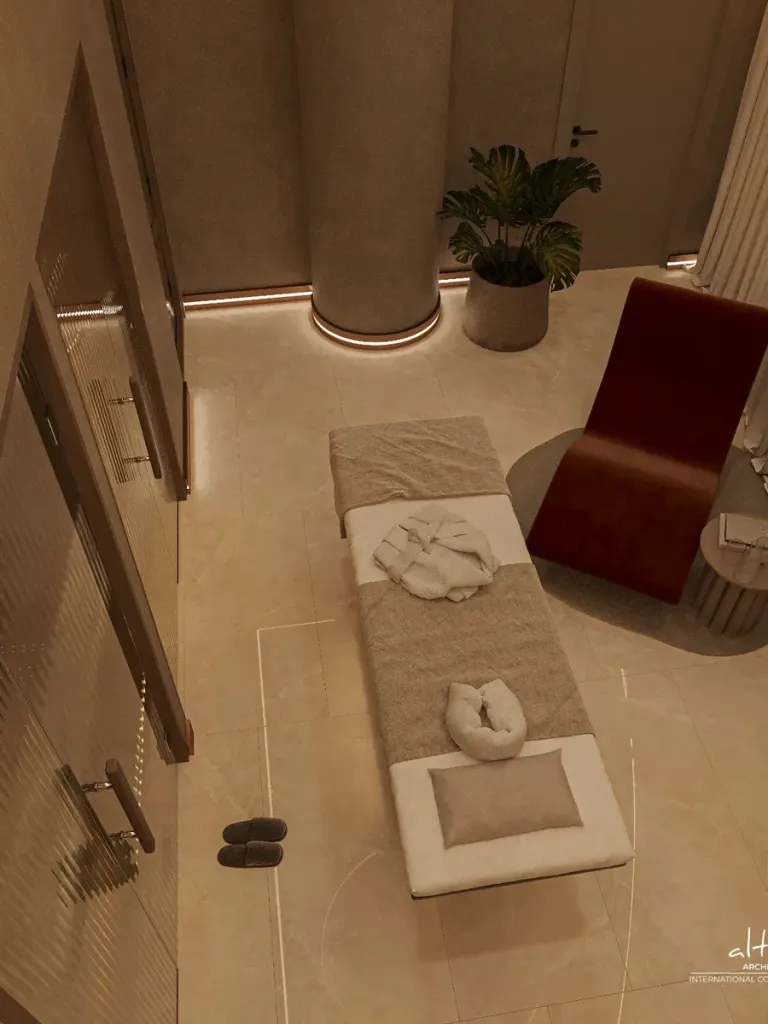
Recovery After 35: Why It Feels Different and What Helps
Recovery changes with age while the value of training grows. We explain how to adapt with sleep, protein and a balanced weekly plan.
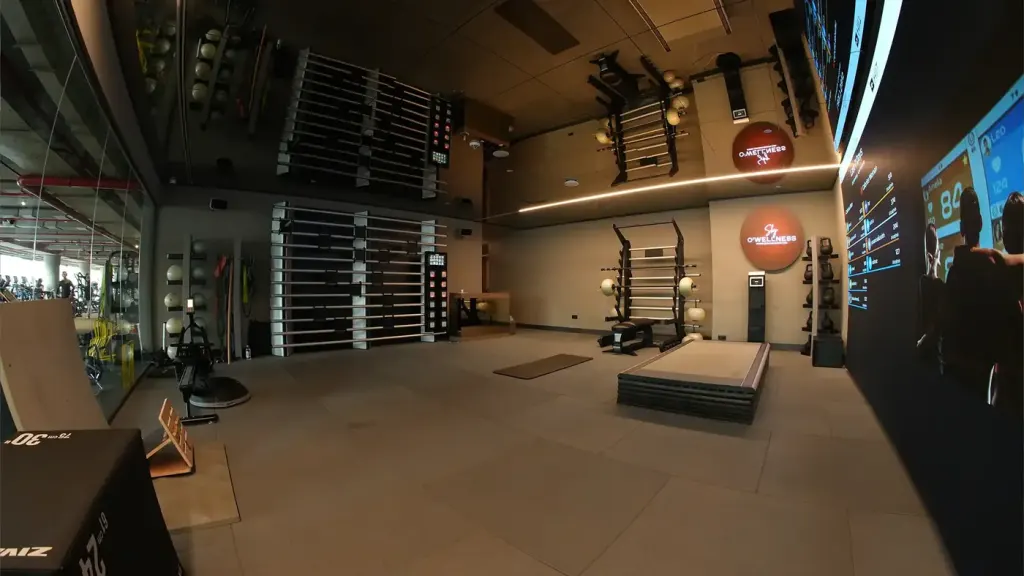
Hydration in Ankara's Dry Air: Training and Drinking Habits
In Ankara's low-humidity air, thirst can be easy to miss. Simple ways to build fluid habits before, during and after training.
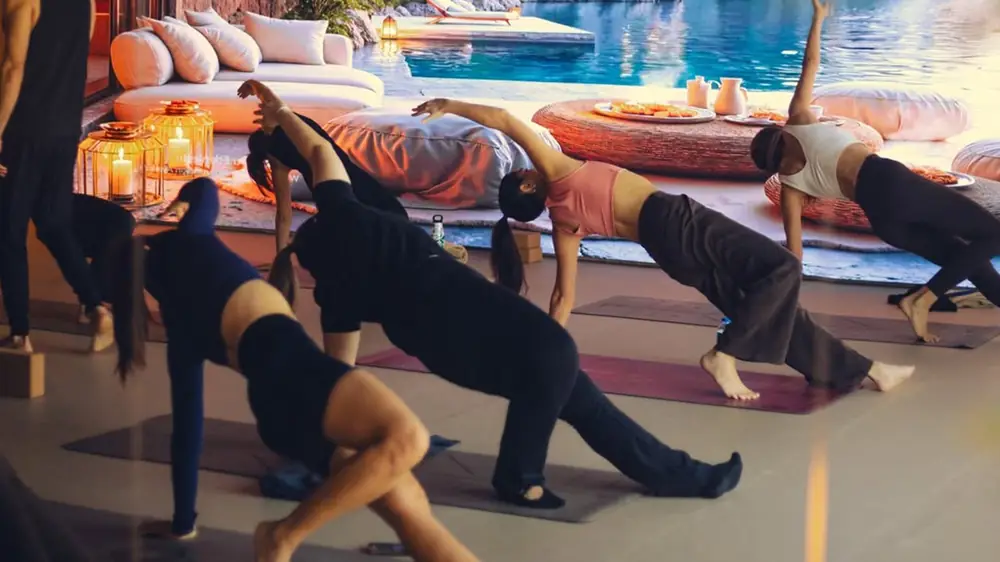
Water Quality in Indoor Pools: Chlorine, Hygiene and 9 Details You Should Know
A strong chlorine smell is a sign of organic load, not cleanliness. For regular swimmers in Ankara, we explain 9 practical details for understanding indoor pool water quality.
