
Aerial (hammock) yoga: the benefits of inversions and safety
The benefits of aerial yoga lie in inversions and spinal lengthening supported by a fabric hammock hung from the ceiling. We cover the principles, safety and who it suits.
It is natural to be surprised the first time you see someone hanging upside down in a wide piece of fabric suspended from the ceiling. Yet the benefits of aerial yoga lie precisely in the safe inversions and spine-lengthening movements made possible by that fabric's support. In this article we explain in detail how aerial yoga works, the safety rules to follow, its possible benefits and who it suits, and we also touch on how you can continue your yoga practice in Beytepe, Ankara.
What is aerial yoga?
Aerial yoga is a style of yoga performed with the support of a hammock made of wide, durable fabric fixed to the ceiling. Because the hammock carries part or all of your body weight, it makes some poses more accessible than on a traditional mat and provides a controlled transition into upside-down positions. The fabric can be used in many ways, including sitting, hanging, swinging and full inversion.
The key advantage: working against gravity
A spine that spends most of the day standing or sitting is under constant gravitational load. Aerial yoga offers positions that, with the support of the fabric, allow the spine to lengthen gently (traction). Such hanging movements are thought to help relax the muscles around the spine and temporarily reduce pressure on the intervertebral discs. This can be a relaxing experience, especially for people who work long hours at a desk or deal with heavy lecture and exam schedules on campus.
How a typical aerial yoga class flows
- Warm-up and getting used to the hammock (10 min): Sitting in the hammock, gentle swinging and getting to know the main support points.
- Basic poses (15 min): Forward bends, side stretches and light balance poses supported by the hammock.
- Partial inversions (10-15 min): Positions where the hips are lifted with the hammock's support and the spine is partly inverted.
- Full inversions (depending on experience, 5-10 min): Fully upside-down hanging positions, only for participants with enough experience.
- Relaxation (5-10 min): The class closes calmly in a cocoon position, wrapped inside the hammock.
Safety: getting in, getting out and the basic rules
Safety is the most critical component of aerial yoga. In the first class, the instructor shows how to adjust the hammock height, how to sit in and get out of the hammock safely and how to check shoulder and neck alignment. Inversions are introduced gradually: early classes usually include only partial inversions, and full inversions are added as experience grows. Regular checks of the carabiners and anchor points should be part of the routine safety procedure of any studio offering this class; do not hesitate to ask the studio you attend about it.
Comparison: aerial yoga and other yoga styles
| Feature | Aerial yoga | Vinyasa yoga | Deep stretch (yin) yoga |
|---|---|---|---|
| Tempo | Low-medium | Medium-high | Low |
| Main focus | Spinal traction, balance, awareness | Cardio, strength, coordination | Fascia, relaxation |
| Prop | Ceiling-mounted hammock | Mat | Mat, block, blanket |
Potential benefits
- Spinal lengthening: Hanging movements supported by the hammock can create a sense of relief in the back and lower back.
- Balance and self-awareness: Balancing in the hammock can improve body awareness and core stability.
- Accessible flexibility work: The fabric's support can make some poses easier than on the mat.
- Stress reduction: Gentle swinging and inversions may help calm the nervous system.
- Reduced joint load: Shifting weight onto the hammock can ease pressure on the joints in certain movements.
Level and modification variations
Beginners can set the hammock lower to work close to the floor and choose partial inversions instead of full ones. For experienced participants, the hammock can be raised and full inversions and more complex transitions can be added. For people with neck or shoulder sensitivity, inversions can be removed entirely and the hammock used only for supported stretching. Instructors suggest these modifications according to each participant's experience level.
Common mistakes
- Rushing in and out of the hammock: Uncontrolled movements can cause loss of balance; always move slowly and with control.
- Neglecting neck alignment: Failing to keep the neck's natural alignment in inversions can cause discomfort.
- Attempting full inversions too soon: Trying them without enough adaptation can lead to loss of confidence and risk of injury.
- Holding the breath: Holding your breath while inverted increases discomfort; calm, steady breathing is important.
Who it may not suit / who should be careful
People with high blood pressure, glaucoma or other conditions that raise eye pressure, and those with a history of uncontrolled dizziness, should avoid inversions or try them only with a physician's approval and under an instructor's supervision. Inversions and positions that press on the abdomen are not suitable during pregnancy. People with a herniated disc, advanced osteoporosis or recent shoulder or wrist surgery must consult their physician before starting.
How is progress measured?
You can track progress in aerial yoga through smoother entries and exits, longer time spent in partial inversions and growing confidence when moving into full inversions. Being able to keep the breath relaxed and steady while inverted is also an important sign of progress.
Equipment and clothing tips
For aerial yoga, choose clothing that is not too loose and suits movements in the air; loose garments can cover your face when inverted or snag on the fabric. Long-sleeved, light and breathable fabrics increase comfort where skin touches the hammock. Removing accessories such as jewellery and watches is recommended for the safety of both the hammock and yourself.
Combining with other classes
Aerial yoga's calm, spine-focused nature makes it a good option for recovery after an intense Reformer Pilates or strength session. Along the same lines, the Deep Stretch and Balanced Yoga classes and Mobility & Stretching sessions in the O'Soul studio at O'Wellness Beytepe let you build a thorough recovery day aimed at fascia and spinal comfort.
Getting there from Beytepe and around
In capacity-limited classes such as aerial yoga, the number of participants is limited by the equipment available, so booking is required. Our club in the Yaka Beytepe complex is a few minutes from Hacettepe University's Beytepe campus and the Çayyolu–Ümitköy corridor, and it is conveniently placed for people coming from İncek, Bilkent and Konutkent. The complex car park makes it easier to arrive on time for evening classes.
The yoga experience at O'Wellness Beytepe
At O'Wellness Beytepe, yoga, mat Pilates and mobility classes take place in the O'Soul studio, and the timetable includes formats such as Vinyasa, Deep Stretch and Balanced Yoga. We recommend checking our weekly schedule page to see whether aerial yoga is on the Beytepe timetable and for current class times. We offer a free club tour and a trial session before membership, so you can experience the studio and our trainers' approach before deciding. See our membership page for founding membership pre-registration and details.
A sample 4-week adjustment plan
- Week 1: One class a week; sitting in the hammock, swinging and feeling the support points.
- Week 2: One or two classes a week; partial inversions are tried and neck alignment is reinforced.
- Week 3: Two classes a week; balance and flexibility poses in the hammock are added.
- Week 4: Two classes a week; a gradual move to full inversions is considered, depending on experience.
Breathing technique in aerial yoga
Breathing is very important in aerial yoga, especially in inversions. Because blood flow changes direction when you are upside down, keeping the breath slow, deep and regular helps the body adapt to this change. Instructors usually recommend taking a few deep diaphragmatic breaths before inverting, keeping the breath calm throughout the position and not rushing on the way out. Fast, shallow breathing can increase the feeling of dizziness.
More on aerial yoga and spinal health
Hanging movements supported by the hammock may help the short muscles running along the spine (paraspinal muscles) to relax. In people who work seated for long periods, these muscles are often chronically shortened and tense. Slow, controlled swinging in the hammock may also support blood flow in the tissues around the spine. However, if you have an existing disc herniation or spinal instability, you must get a physician's approval before starting; some hanging movements may not be suitable in these cases. At O'Wellness Beytepe, an individual assessment with a sports physiotherapist can also be arranged.
Group class or one-to-one?
Aerial yoga is usually taught in small groups, which lets the instructor closely monitor each participant's hammock setup and safety position. If you have a particular health condition or injury history, taking your first few sessions one-to-one can help you learn the basic safety techniques faster. One-to-one sessions can be arranged for your personal needs as part of our private services.
Conclusion
Aerial yoga offers a different and complementary experience for both body and mind. Its benefits come together in spinal lengthening, balance and relaxation combined with the safe support of the fabric. When safety rules are followed and level-appropriate modifications are made, it is an accessible practice for beginners and experienced participants alike. If you have any health concerns, consult your physician before starting; as your confidence in the hammock grows, you can explore the new poses and transitions this dynamic practice offers at your own pace.
Frequently asked questions
Is aerial yoga safe?
When practised with correct installation, regular equipment checks and instructor supervision, aerial yoga is a safe practice. Beginners progress to inversions gradually and always work with the instructor's support.
What should I do if I feel dizzy?
If you feel dizzy in an inversion, slowly end the movement, return to an upright position and let your instructor know. Drinking enough water and adapting gradually can help reduce this feeling.
Do I need previous yoga experience for aerial yoga?
No, aerial yoga is suitable for beginners too. The fabric's support can make some movements more accessible than in classic yoga, and instructors suggest modifications for your level.
What does O'Wellness Beytepe offer for yoga in Beytepe, Ankara?
Our O'Soul studio in the Yaka Beytepe complex hosts Vinyasa, Deep Stretch and Balanced Yoga as well as mat Pilates and mobility classes; you can check the weekly schedule to see whether aerial yoga is on the timetable and get to know the studio with a free trial session.
Does aerial yoga help with back pain?
The gentle spinal lengthening the hammock provides may help ease back tension in some people; however, if you have an existing back condition, it is important to consult your physician before starting.
To start your yoga practice in Beytepe, you can arrange a free club tour and trial session via our contact page.
Related posts
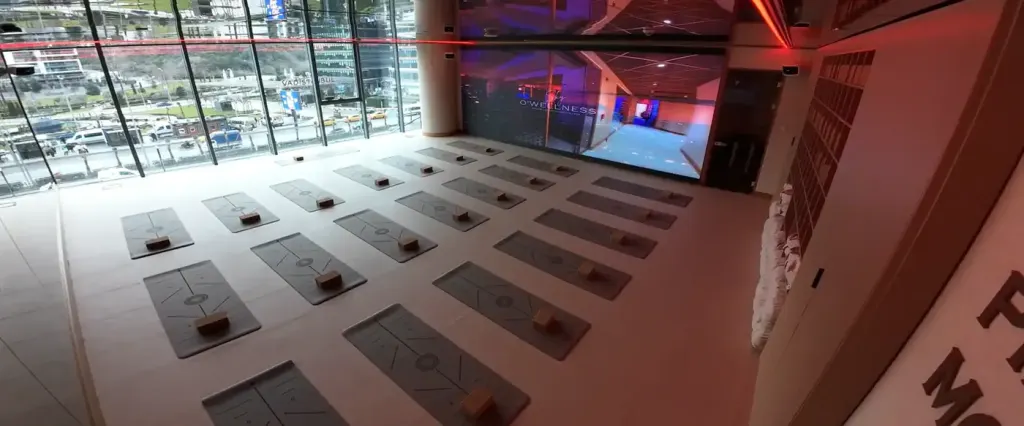
A guide to yoga: styles, benefits and choosing the right class
Yoga styles serve very different goals. We explain the differences between vinyasa, deep stretch, balanced yoga and other styles, their benefits and how to choose the right class for you.
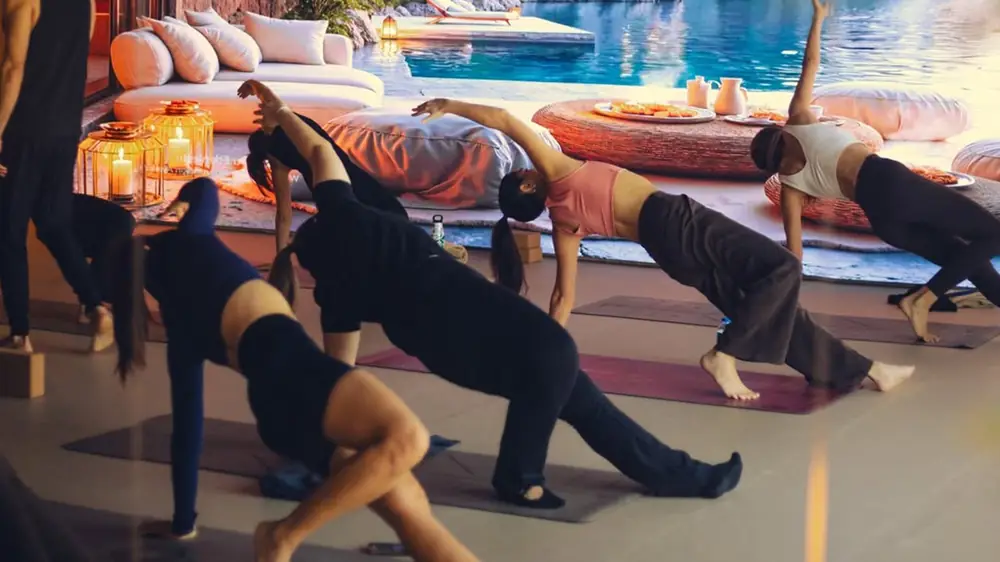
12 Things Yoga Beginners Should Know Before Their First Class
From clothing to breathing, common mistakes to studio etiquette: 12 practical things to know before your first yoga class, all in one place.
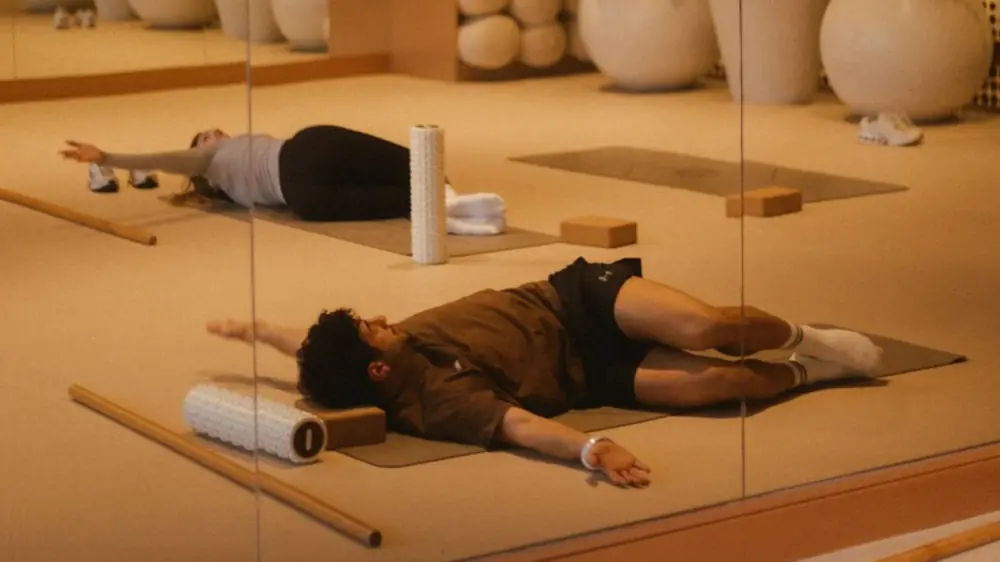
How to Use a Foam Roller: A Myofascial Release Guide
We answer how to use a foam roller with technique by area, timing advice and common mistakes. Myofascial release is a practical tool before and after training.
