
Budokon Yoga: Where Yoga Meets the Martial Arts
Budokon yoga blends classic yoga postures with ground movements and agility drills from the martial arts. We explain its core principles, benefits and who it suits.
If you see someone crawling, turning and dropping into deep squats on a yoga mat, you are most likely watching a budokon yoga practice. Budokon yoga is a contemporary, dynamic approach that blends traditional yoga postures with ground movements from martial arts such as Brazilian jiu-jitsu, karate and capoeira. In this article we explain what budokon yoga is, its core movement patterns, its benefits and who it suits, from the perspective of O'Wellness Beytepe in Beytepe, Ankara.
Where budokon yoga comes from
The name "budokon" comes from the Japanese words "budo" (the martial way) and "kon" (essence, spirit). Developed in the early 2000s, the approach aims to bring yoga, martial arts and functional movement training together in a single system. Unlike the more static nature of classic yoga postures, budokon makes greater use of the body's three-dimensional movement capacity: rotating, crawling, squatting and jumping.
Fundamental movement patterns
Budokon practice typically includes the following movement groups:
- Ground movement: Crawling patterns on hands and feet, such as the ape walk and tiger walk.
- Rotations and transitions: Squat-and-turn combinations from the martial arts that build coordination and agility.
- Classic yoga postures: Poses such as warrior, pigeon and cobra support the balance between flexibility and strength.
- Balance work: Transitions that require standing on one leg or balancing on the hands.
The flow of a typical budokon session
- Warm-up (10 min): The body is prepared with joint mobility work and light cardio.
- Ground movement (10-15 min): The ape and tiger walks load the shoulder, hip and wrist joints from different angles.
- Rotation and squat transitions (15 min): Combinations focused on coordination and agility are practised.
- Classic postures (10-15 min): Flexibility and strength are balanced with poses such as warrior, pigeon and cobra.
- Cool-down (5-10 min): The session ends with breathing work and light stretching.
Comparison: budokon versus classic yoga
| Feature | Budokon yoga | Classic (vinyasa) yoga |
|---|---|---|
| Plane of movement | Three-dimensional (including rotation and crawling) | Mostly the forward-backward plane |
| Main focus | Agility, coordination, functional strength | Flow, breath, flexibility |
| Tempo | Medium-high | Medium-high |
For a broader comparison with other styles of yoga, see the yoga and mobility articles on our blog.
Potential benefits
- Agility and coordination: Rotation and squat transitions can support reflexes that are useful in everyday life too.
- Functional strength: Ground movements work the shoulder, hip and core muscles at the same time.
- Joint health: Loading from different angles can help joints adapt to unfamiliar ranges of motion.
- Mental focus: Following complex movement sequences can strengthen attention and concentration.
- Flexibility: The inclusion of classic yoga postures also supports overall flexibility.
Levels and modifications
Because ground movements can be demanding on the wrists and shoulders, beginners can reduce the range of motion or use modified versions on the knees. If balance is a challenge in rotations, the movement is slowed down or support is taken from a fixed point. For experienced participants the pace can be increased or jumping elements added. Our trainers guide these adjustments by asking about your level at the start of the session.
Common mistakes
- Insufficient warm-up: Moving into ground work before sensitive joints such as the shoulders and wrists are warm raises the risk of strain.
- Prioritising speed: Trying to finish a movement quickly rather than with good form can ingrain technical errors.
- Neglecting wrist position: If the wrists are loaded at the wrong angle in the ape and tiger walks, discomfort can develop over time.
- Holding the breath: Holding your breath during intense transitions tenses the muscles unnecessarily.
Who should be careful?
People with wrist, shoulder or knee problems should be careful with ground movements and choose modified versions if necessary. Those with balance disorders or a history of vertigo should be cautious with rotations. During pregnancy, ground movements that press on the abdomen and deep twists are not suitable. If you have a chronic joint or balance problem, consult your doctor before starting.
How is progress measured?
Progress in budokon yoga can be tracked through markers such as sustaining ground movements for longer without tiring, keeping balance more easily in rotations and recalling complex sequences more fluidly. A gradual increase in wrist and shoulder stability is also an important sign of progress.
Equipment and clothing tips
Budokon needs no special equipment; mats are available in the studio. Because of the ground work, knee pads or wrist supports can help those who prefer them. Stretchy, close-fitting clothing increases freedom of movement; loose clothing can get in the way during rotations.
Combining it with other classes
The functional, agility-focused nature of budokon yoga pairs well with Mobility & Stretching classes. Adding Deep Stretch Yoga after an intense session, or doing light foam roller release, can help joints and muscles recover.
Budokon-inspired practice at O'Wellness Beytepe
O'Wellness Beytepe is located in the Yaka Beytepe complex in Çankaya, Ankara. Yoga, mat pilates and mobility classes take place in the O'Soul studio; classes such as Vinyasa, Deep Stretch and Balanced Yoga and Mobility & Stretching provide a good basis for experiencing the flow, flexibility and movement control elements of budokon. You can check whether a budokon-focused class is on the timetable via our weekly schedule page. Before taking up founding membership, a free club tour and trial session let you get to know the studio and classes up close.
A sample 4-week adjustment plan
- Week 1: Once a week; focus on basic ground movements and correct wrist position.
- Week 2: Twice a week; rotation and squat transitions are added.
- Week 3: Twice a week; the flexibility component is strengthened with classic yoga postures.
- Week 4: Two to three times a week; pace and fluidity are gradually increased.
The physiological effect of ground movement
Ground movements such as the ape and tiger walks work the shoulder girdle, hip flexors and core muscles at the same time. Cross-coordination movements of this kind can help reactivate movement patterns that are rarely used in daily life. The constant shifting of hands and feet requires the shoulder and hip joints to stay stable at different angles, which over time can increase the endurance of the muscles around the joints. For beginners, mild fatigue in the shoulders and wrists after these movements is normal.
Balance in rotation and squat transitions
The rotation-squat combinations common in budokon develop both lower-body strength and balance reflexes. These movements usually start from a low squat and finish by turning to stand up or change direction. To reduce the risk of losing balance, they are first learned slowly and with control; once the movement can be completed safely, the pace is increased step by step. This approach lowers injury risk while allowing agility to develop in a healthy way.
Breath and focus
Although inspired by the martial arts, budokon yoga places as much importance on breath control as classic yoga. Keeping the breath steady and controlled during ground movements and transitions increases endurance and makes the movement flow more smoothly. The tendency to hold your breath in a hard transition is a common mistake; letting the breath flow with the movement supports both performance and safety.
Getting there from Beytepe and around
O'Wellness Beytepe is in the Yaka Beytepe complex on Kanuni Sultan Süleyman Boulevard, a few minutes from Hacettepe University's Beytepe campus and the Çayyolu-Ümitköy corridor. Those arriving by car can use the complex car park; for public transport, we recommend checking current route information. With the club open 06:00-23:00 on weekdays and 08:00-23:00 at weekends, it is easy to join a class after work or early in the morning.
Membership and trial
Founding membership pre-registration is open for O'Wellness Beytepe. Before deciding, you can try classes in the O'Soul studio with a free club tour and trial session. See our membership page for details and our about page for general information about the club.
Conclusion
Budokon yoga offers a distinctive physical and mental experience by combining classic yoga postures with dynamic movement patterns from the martial arts. It is a valuable option for those who want to gain agility, coordination and functional strength without neglecting flexibility, and with the right modifications it can be adapted to any level. Regular practice can bring a noticeable improvement in joint stability and overall body control over time, carrying over into everyday movements such as climbing stairs, bending down or changing direction suddenly, and boosting your confidence in movement.
Frequently asked questions
Do I need a martial arts background for budokon yoga?
No. Although it includes movements inspired by the martial arts, it is not a fighting class; no prior experience is needed and movements are adapted to your level.
What is the difference between budokon and classic yoga?
Classic yoga relies mostly on postures in the forward-backward plane, while budokon adds three-dimensional movements such as rotation and crawling, emphasising agility and coordination.
Does budokon yoga help with weight loss?
Its contribution to calorie expenditure can be moderate to high, but weight loss is a process that must be considered together with nutrition and overall activity, and budokon should not be seen as a weight-loss method on its own.
Why choose O'Wellness Beytepe for budokon-style practice in Ankara?
Yoga and mobility classes in our O'Soul studio provide a good basis for budokon's flow and movement control elements, and you can complement agility work with the functional area and O'Rise classes at the same club.
I have knee problems. Can I do budokon?
Tell your trainer before the session and use modified versions of the ground movements; if you have a serious knee condition, consult your doctor first.
Having a short chat with your trainer before the session and sharing any past injuries or concerns makes the practice safer and more enjoyable for you. Over time you will feel the benefits of this dynamic approach more clearly and be able to increase the difficulty of the movements at your own pace.
Related posts
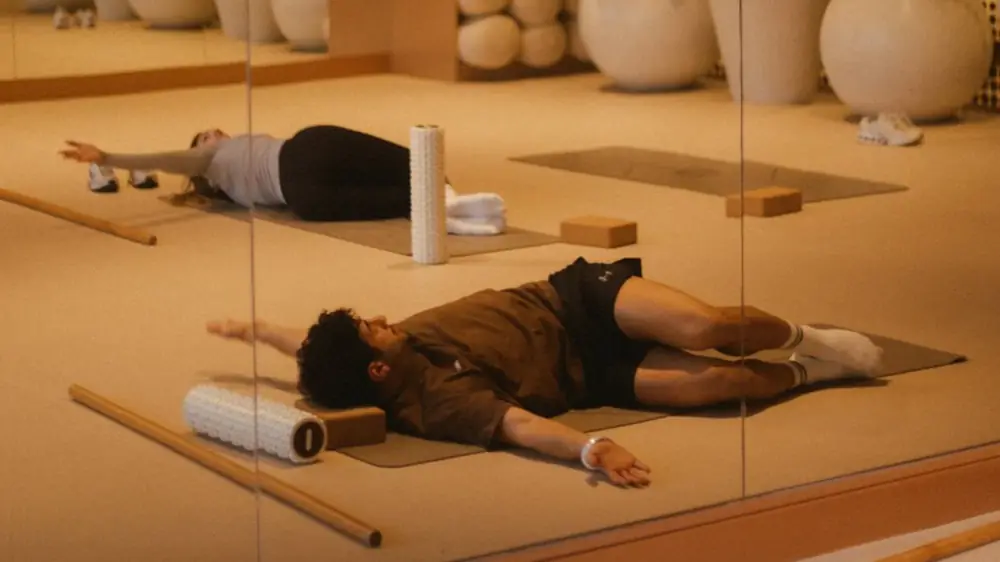
What Is Mobility and How Is It Different from Flexibility? Key Concepts for Joint Health
Mobility is the range a joint can move through under active muscular control, and it is not the same as flexibility. We cover the key concepts for joint health and a practical plan.
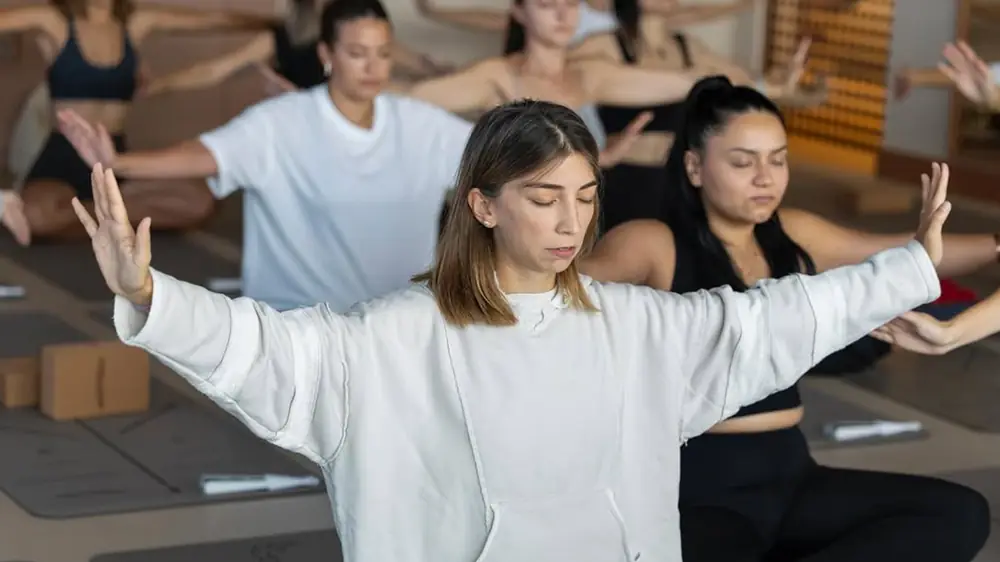
Neck and Shoulder Mobility for Office Workers: A 12-Minute Routine
Why do desk workers get stiff necks and shoulders? A daily 12-minute mobility routine and practical exercises that are easy to do at work.
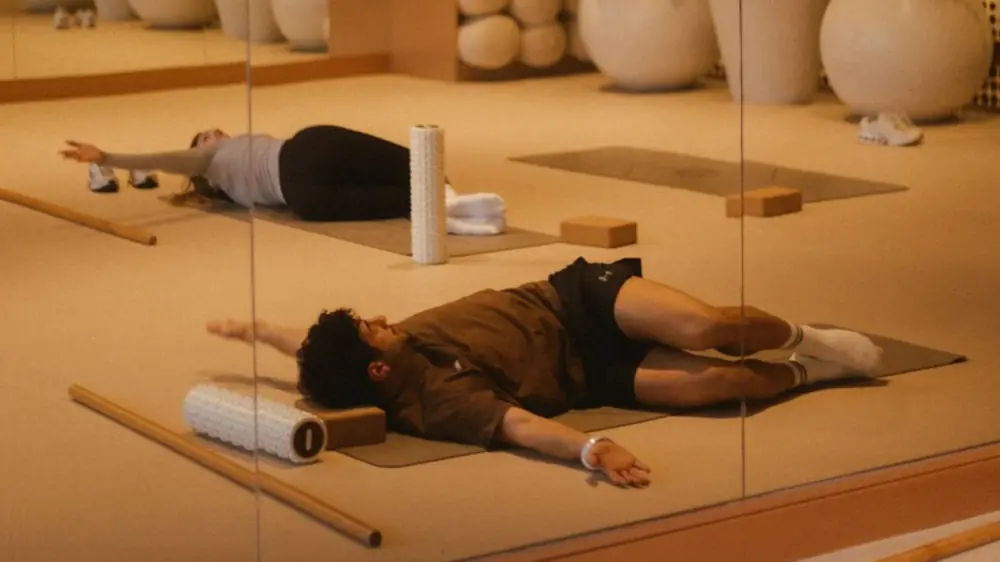
How to Use a Foam Roller: A Myofascial Release Guide
We answer how to use a foam roller with technique by area, timing advice and common mistakes. Myofascial release is a practical tool before and after training.
