
Lecture Hall Mobility: A 10-Minute Movement Series Between Classes
A ten-minute mobility series you can do in a lecture hall corridor or on a bench between classes, without changing clothes.
Amfide saatler süren bir ders, ardından kütüphane, ardından bir sonraki ders. Ders aralarında bedeniniz sürekli aynı pozisyonda kalıyor. Ders arası mobilite çalışması, bu birikimi kısa sürede dağıtmanın pratik bir yoludur. Bu yazıda kıyafet değiştirmeden, yoga matı kullanmadan, koridorda ya da bir banka yakın yapılabilecek on dakikalık bir seri paylaşıyoruz. Genel bir rehberdir; ağrınız varsa hekiminize danışın.
What is mobility and why between classes?
Mobility is the controlled range of motion of the joints. Unlike flexibility, it involves being able to use this range with strength. When you sit for long periods, the hip, spine and shoulder regions can tend to lose range of motion. Short and regular movements can help balance this tendency.
The time between classes offers an ideal window for these movements: the mind needs rest while the body wants movement. A ten-minute series can help you enter the next class feeling fresher. As an additional benefit, stepping away from the screen and the book for a while also rests the eyes.
The series: 10 minutes, 8 movements
- Neck turns (30 seconds): Slowly turn the head right and left, then bring the chin toward the chest. Do the movement without forcing.
- Shoulder rolls (30 seconds): Lift the shoulders toward the ears and release them back and down in a circular motion.
- Chest opener (45 seconds): Clasp your hands behind you, open the chest forward and bring the shoulder blades closer together.
- Seated spinal rotation (45 seconds): Sit on a chair, place one hand on the opposite knee and gently turn the trunk, in each direction.
- Cat-camel (60 seconds): Place hands on a desk and round and open the back; move the spine segment by segment.
- Hip flexor opener (60 seconds): Step forward and push the back hip forward, thirty seconds for each leg.
- Ankle circles (30 seconds): Lift one foot off the floor and slowly rotate the ankle in each direction.
- Deep breathing (60 seconds): Keep the back upright, inhale slowly through the nose and exhale long through the mouth.
The total time is about eight to nine minutes; transitions between movements fill the rest. Do not rush any movement. If you feel pain, stop the movement and try a lighter variation.
The series targets the regions most affected by sitting: neck, shoulders, chest, spine and hips. These regions often experience tension linked to a forward-leaning posture. Opening the chest and drawing the shoulder blades back provides a counterbalance to this tendency.
The hip flexor opener targets the muscles at the front of the hip that shorten when sitting for long periods. Ankle circles, though they look simple, help preserve the range of motion of a joint important for walking and squatting. Deep breathing calms the nervous system.
Clothing and environment details
No special clothing is needed for this series. Comfortable trousers or jeans are enough. If possible, do the movements in an open corridor, garden or a corner of an unused classroom. If you feel shy in a crowded environment, you can start with unobtrusive movements such as neck and shoulder rolls; most people will not be paying attention to you.
If you will do it standing, choose a solid, non-slip surface. Leave your bag and belongings in a safe place. That way you can focus on the movements comfortably.
Making the series part of a weekly routine
You do not have to repeat this ten-minute series between every class. Doing it once or twice a day makes a difference. To build the habit, pair the series with a trigger: for example, right after lunch or when leaving the last class. The clearer the trigger, the easier the habit settles in.
Over time you can adapt the series to your own needs. If your neck feels tighter, extend that part; if your hips feel more strained, spend time on them. Joining yoga and mobility classes at O'Wellness Beytepe for deeper mobility work can be a natural continuation of this short series.
Sometimes there is not even a gap between classes. Even while sitting in a lecture hall small movements are possible: rotating the ankles, lifting and dropping the shoulders, gently shifting the hips on the chair and changing leg position. These micro-movements can help support circulation without distracting attention. They are simple steps that can be done quietly without interrupting the lecture.
Instead of staying in one position for a long time, try changing position every half hour. Placing feet on the floor instead of crossing legs, leaning the back against the chair and bringing the screen or notebook closer to eye level reduce the load on the body. These are small adjustments that do not have to be perfect but make a difference.
Stage two after class: moving into a real workout
This short series does not replace training; however, it puts the body into movement mode. If you can go to a gym or studio at the end of the day, combining mobility work as a regular addition with yoga, pilates or strength training provides a much more comprehensive benefit. The short series can be thought of as daily maintenance, and the studio or gym as the development area.
Yoga and mobility classes let you develop joint range of motion safely under an instructor's supervision. Doing the movement correctly matters, especially in areas like the spine and hips. For beginners, beginner-level classes can be a suitable entry point.
Posture and chair adjustments
Your sitting position matters as much as mobility breaks. In lecture hall seats it is often not possible to change chair and desk height, but you can make small adjustments: placing your bag on the floor rather than using it as a footrest, leaning your back against the backrest or slightly elevating your notebook. These increase comfort without distracting your attention.
Crossing your legs or leaning to one side for a long time can create tension in certain areas. Switching sides from time to time and planting your feet on the floor provides balance. Instead of seeking a perfect sitting posture, focus on changing position frequently.
You can apply this series in exam weeks or on intense study days as well. When tension rises, instead of dropping movement completely, even doing a short version of the series can make a difference. Even if you do the neck, shoulder and chest movements as a three-minute mini series, your mind gets refreshed.
Doing it with friends also increases motivation. Taking a ten-minute mobility break between sessions with your study group can turn into a social ritual. Reminding one another is a practical way of turning movement into a habit.
Movement breaks can also support academic success in the long run. When the body is comfortable and the mind refreshed, attention span lengthens and learning becomes easier. So seeing mobility work not as lost time but as part of studying is a productive perspective.
The real power of the series lies in repetition. A single movement done once does not complete the series; but small daily repetitions may be reflected in your body's range of motion and attention over time. Be patient and track your own progress through small signs.
Frequently Asked Questions
Can I do this series every day?
Yes, because it is light and low-intensity, most people can do it daily. If you feel discomfort, pause and consult a specialist if needed.
Which movements should I skip if I have neck pain?
Make the neck turns smaller or skip them. If the pain continues, see your physician or physiotherapist.
How soon will I notice an effect?
This varies by person. Some feel relief in the first days, while others notice a change after a few weeks of regular practice. Be patient and do not trust promised guaranteed results.
Related posts
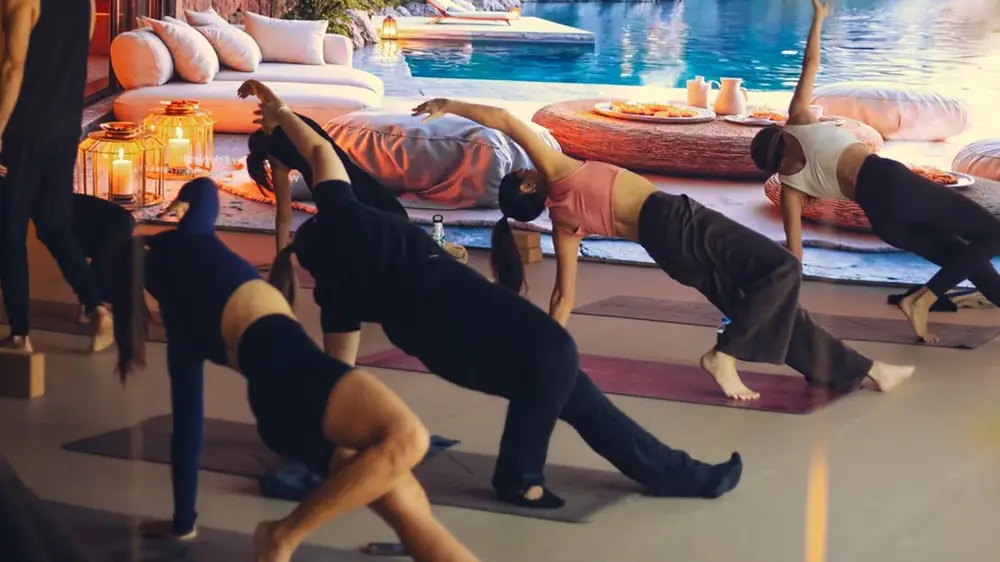
Morning Yoga Routine: Start Your Day in 15 Minutes
A morning yoga routine is a practical way to start the day energised and balanced. We share a 15-minute step-by-step flow, modifications and a weekly practice plan.
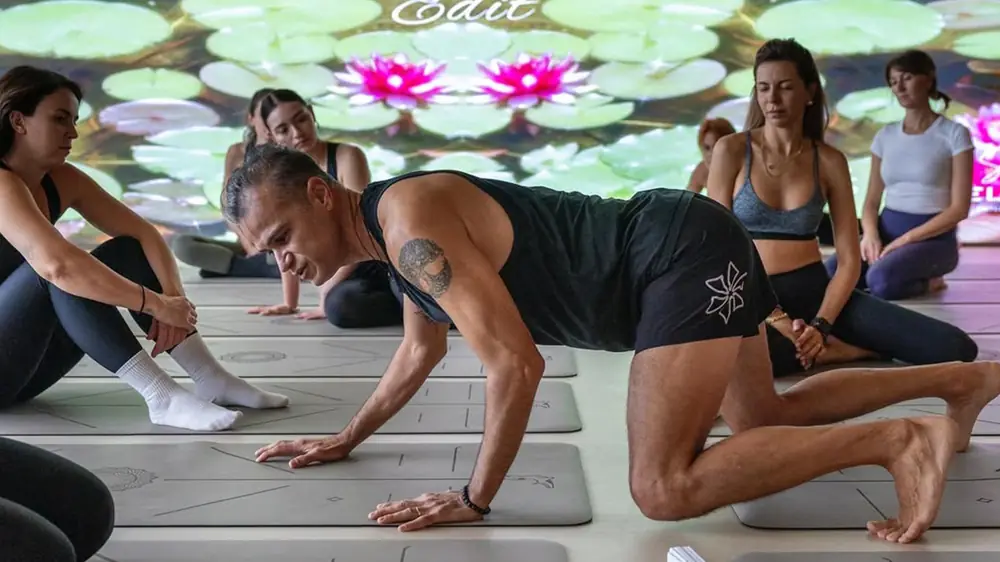
How Does Flexibility Improve? Static, Dynamic and PNF Stretching Compared
How can flexibility be developed? Static, dynamic, ballistic and PNF stretching, when to use each, and a sample weekly program.
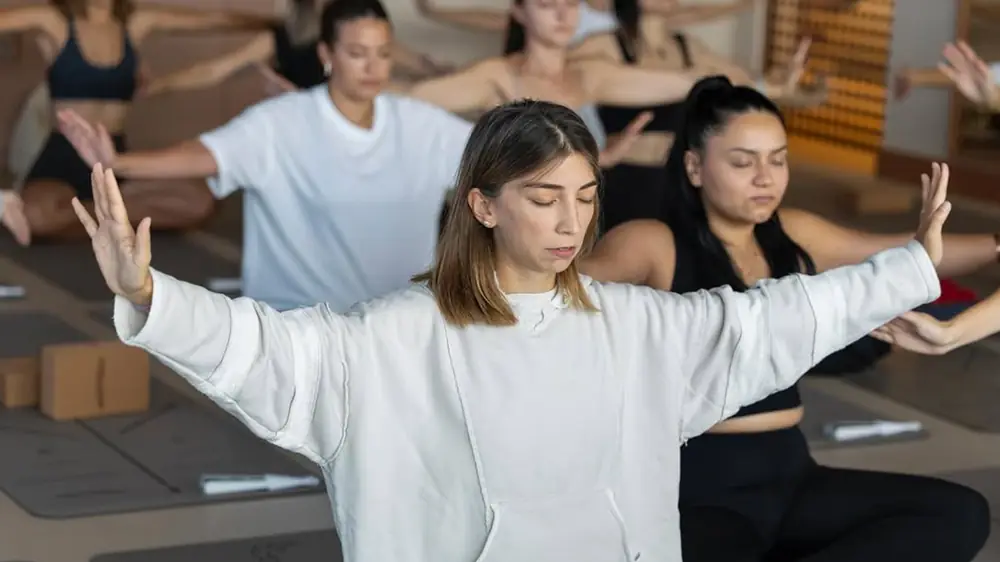
Yoga for runners: hip flexors and hamstrings
Yoga poses that balance the one-directional load of running, the right timing before and after runs, and tips for weaving them into your week.
