
End of the Academic Year: A Plan to Keep Your Routine Before Summer Break
Finals and grading end, campus empties and the training routine risks falling apart. A practical plan to keep your rhythm before summer.
Akademik yıl sona erdiğinde kampüs sessizleşir, programlar dağılır ve çoğu kişi yeni bir döneme geçer: tatil, staj, memleket ziyareti ya da araştırma. Bu geçiş, spor rutininin kolayca bozulabileceği bir dönemdir. Akademik yıl sonu spor rutini planlamak, yaz boyunca ritmi korumanıza ve sonbaharda yeniden başlamanızı kolaylaştırmanıza yardımcı olabilir. Bu yazı genel bir planlama rehberidir.
Why is year-end risky?
Throughout the year, classes, exams and meetings provide a time frame. When this frame is removed, your own inner discipline comes into play. After an intense finals period fatigue can extend the thought of resting a bit, and within weeks the habit can disappear.
Resting is legitimate and necessary. What matters is that rest is conscious and time-limited. For example, planning a week of full rest after finals followed by a gentle restart supports both recovery and continuity.
The year-end transition week
The first week after finals is an opportunity to stay in motion without load. Pressure-free options such as walking, swimming, yoga or a light group class slowly reaccustom the body to movement. Do not set a performance goal this week; let enjoyment and lightness be the focus.
From the second week gradually increase the weekly session count. Writing your summer plan down at this stage is useful: where will you be, what facilities are available, how many sessions a week is realistic?
- If you are staying in the city: Maintain your current routine and add a new format or goal since class load decreases.
- If you are going to your hometown or another city: Prepare a short program that can be done at home or outdoors; walking, bodyweight movements and mobility may be enough.
- If you are doing an internship or intense research: Keep training short, prioritize weekend sessions and set flexible times.
The common point in every scenario is setting a weekly minimum target. A small but clear target such as two sessions a week gives a reference even if the plan falters. For flexibility options regarding membership you can ask about the facility's current terms.
Training in the summer heat
In summer, the afternoon temperature in Ankara can rise. If you will train outdoors, prefer early morning or evening coolness. Drinking plenty of water, wearing light and breathable clothes and protecting yourself from the sun are basic precautions. Avoid intense training in extreme heat.
A closed, cooled facility offers a comfortable alternative on hot days. If you feel symptoms such as dizziness, extreme fatigue or nausea, stop training, rest in a cool place and see a health professional if necessary.
An opportunity for new goals and experiments
Summer, when academic pressure eases, is a good time to learn something new. A group class format you have not tried before, reformer pilates, swimming or a new strength program could be tried. Setting small, measurable goals keeps motivation alive.
These experiments also form a foundation for autumn. When the new term begins at the end of summer, knowing which activities you enjoyed makes planning the next term much easier.
At the end of summer, ramping the program back up about two weeks before the start of term is a good strategy. That way you do not have to build the habit from scratch within the intensity of term start. When the class schedule is set, fix your training hours immediately.
Maintaining the routine at a facility close to campus such as O'Wellness Beytepe can provide an easy transition into the new term. Make notes of what you learned over the year and set a small goal for the coming term. That way your routine becomes a habit that keeps developing across a year.
Keeping social ties during vacation
Being away from campus friends during summer vacation can lower motivation. Planning a weekly movement meetup even remotely, for example going for a walk at the same time in your own cities and sharing a photo, keeps the bond alive. A small group message is a simple way to support each other through vacation.
Moving together with family or those around you is also a nice alternative. Family walks, weekend picnics or swimming together both strengthen social ties and make movement fun. Exercise does not have to be only a private pursuit; it can be more enjoyable when shared.
Year-end review
At the end of the academic year, doing a short review of your training routine is very useful. Note how many weeks you trained regularly, which were the hardest periods and what worked. This information lets you make a more realistic and personalized plan for the next academic year.
Do not forget to celebrate your achievements either. Keeping the routine during exam weeks, going to training in the dark of winter or trying a new class format are small but valuable successes. Appreciating yourself is a healthy habit that renews motivation.
The most common mistake on return after summer break is starting not from where you left off but from where you think you should be. Trying to immediately match the weights or tempo of three months ago raises the risk of injury and disappointment. Deliberately keeping the load low for the first two weeks gives the body time to readapt.
Short notes kept through summer serve as a guide on your return. Writing how many sessions you did each week, what you enjoyed and where you struggled makes your autumn plan realistic. These notes do not have to be long and detailed; a few sentences are enough.
For academics summer is a period of research, writing and conferences; within this intensity the training routine can still be preserved. With small goals, flexible hours and short sessions that can be done at home, the rhythm can be sustained. What matters is that interruptions do not turn into stopping altogether.
In conclusion, the end of the academic year is not an ending but a transition to a new beginning. If you plan this transition consciously, you enter the new term in autumn energetic and ready. Managing this experience a little better each year makes the training habit a lasting part of your life.
You can make a small contract for the next academic year: how many sessions a week, which day and which hour. Putting it in writing turns intention into a concrete plan. The simpler the plan, the higher the chance it will be applied.
On return from vacation you may also need to rebuild your sleep schedule. Gradually correcting bedtimes and wake times that drifted during vacation over a few days supports training and class performance. Making this adjustment before the start of term lets you get through the first weeks much more comfortably.
Allow yourself flexibility during vacation periods too. Travel, family visits and special days can fall outside the routine; this is natural. What matters is making a small space for a short walk or movement at every opportunity and being able to return to the plan from where you left off.
Frequently Asked Questions
What happens if I do no exercise all summer?
A break of a few weeks is normal. However, increasing load gradually on return after long breaks is important. Maintaining rhythm with small activities makes restarting easier.
What kind of workout can be done at home on vacation?
Bodyweight movements like squats, lunges, planks and bridges, along with walking and mobility, form a sufficient base for most people.
How should I set a goal for summer?
Small, measurable and realistic goals are best; for example, two sessions a week or trying one new class format. Keep the goal flexible and note your progress.
Related posts
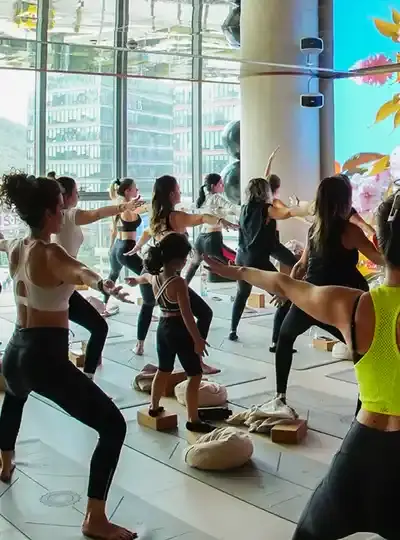
Membership Freeze, Transfer and Cancellation Guide
Knowing the freeze, transfer and cancellation terms before signing makes a big difference. We explain the general framework and key points for an O'Wellness Beytepe membership.
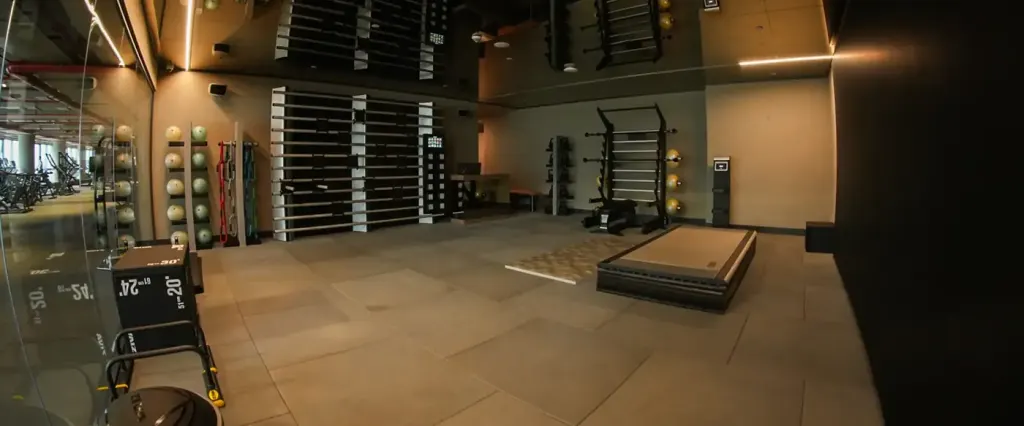
Keeping Your Training Motivation Through Ankara's Dark Winter Days
Short days, cold mornings and early sunsets test any training habit. How to protect motivation through structure rather than willpower alone.
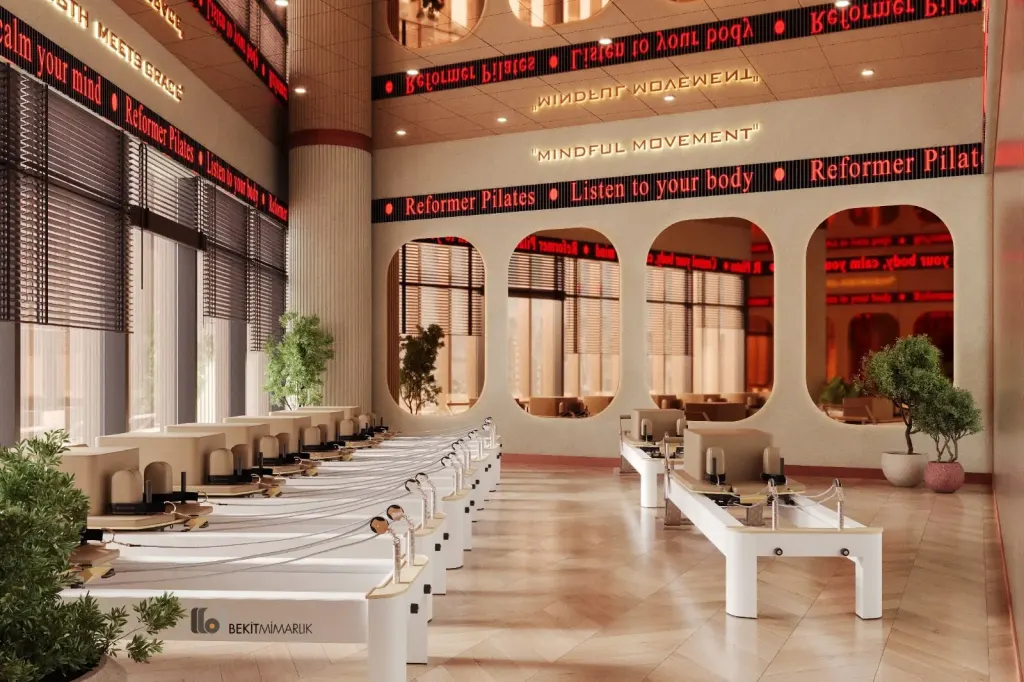
Busy and Quiet Hours: Choosing Your Training Time at a Club
The same club offers a completely different experience at different times of day. Here are tips for choosing the time that fits your rhythm.
