
Keeping Your Training Motivation Through Ankara's Dark Winter Days
Short days, cold mornings and early sunsets test any training habit. How to protect motivation through structure rather than willpower alone.
Ankara’da kış, kampüs yaşamının en zorlayıcı mevsimlerinden biridir. Gün erken kararır, sabahlar soğuktur ve yolda geçen zaman uzar. Bu koşullarda kış antrenman motivasyonu çoğu insanda düşer; bu normaldir ve karakter zayıflığıyla ilgisi yoktur. Bu yazıda motivasyonu iradeden çok düzen ve basit tasarım kararlarıyla korumanın yollarını anlatıyoruz.
Why motivation dips in winter
Short daylight can bring changes in energy and mood for some people. Cold weather makes leaving a warm home harder. These effects vary from person to person, and if you feel a serious emotional burden it is important to talk to a health professional. More generally, setting up a winter training plan with the same expectations as the previous season can invite disappointment.
That is why the first step is setting a realistic goal for winter. Protecting rhythm instead of breaking records, keeping the weekly session count steady through the season and reducing load when necessary are the firm foundations of a winter plan.
Motivation fluctuates, while a calendar stays fixed. Writing training days and times into your weekly plan alongside your class schedule or work routine removes the question of whether to go today. When the decision has been made in advance, the reluctance of the moment matters less.
- Prepare your bag the night before and put it by the door.
- Train right after class instead of going home first; once you are in, leaving again is harder.
- Start the session with a pre-written list so there is no uncertainty about what to do.
- The five-minute rule: you will only do five minutes, and decide afterwards whether to continue.
Using social ties
Training together in winter is one of the most reliable sources of motivation. A time fixed with a friend can make possible even a workout you could not do alone. Group classes are useful in this sense too: the class time is fixed, the instructor expects you and the energy in the room gets you moving.
Seeing familiar faces and meeting new people turns the gym from merely a place to train into a social meeting point through winter. This bond carries added value on dark days when you feel alone.
To get the most out of daylight, take a short walk at lunch if you can. It refreshes the mind and acts as a warm-up for an evening workout. If you can wake up early, a session before sunrise creates a sense of accomplishment lasting the whole day for some; but it does not suit everyone.
Evening workouts, on the other hand, are suitable for releasing the day's fatigue. The key is choosing the time that matches your chronotype and class schedule and not changing it all season. Constantly shifting times weakens the habit.
Warm-up and clothing details
In cold weather muscles take longer to warm up; so extending the warm-up by a few minutes in winter makes sense. Changing out of sweaty clothes before stepping out of an indoor facility into the cold, and protecting your neck and head, are simple habits that help reduce the chance of waking up unwell.
Carrying a spare shirt, a dry towel and a warm jacket increases comfort after training. As comfort rises, the threshold for going to training falls.
Planning for breaks
You may need to take a break for reasons such as illness, exam week or holidays. Instead of seeing this as failure, build it into the plan. After a week off, lowering the load in the first session on return and rebuilding the rhythm gradually reduces the risk of injury and loss of morale.
An enclosed, climate-controlled environment such as O'Wellness Beytepe offers a training space independent of winter weather, which removes the plan's biggest challenge: the weather outside deciding for you.
Through winter, long-term goals can feel distant and abstract. That is why setting small, measurable weekly goals keeps motivation alive. Goals such as attending three sessions this week, trying a new group class twice or adding one rep to a movement each session are both reachable and satisfying.
To make progress visible, mark completed days on a calendar. Seeing an unbroken chain is a surprisingly strong source of motivation for most people. Even if you miss a day, it is enough to restart the chain the next day.
Making training enjoyable
Motivation often comes from enjoyment. A favorite playlist, a class format you like or a warm drink waiting after training turns the session from a chore into a small reward. In winter these enjoyable elements matter even more because the weather outside does not reward you much.
Trying something new also breaks boredom. Joining a different class format on a weekend or adding a slight change to your training routine brings fresh energy to the routine. Variety is a simple but effective remedy against winter monotony.
One cause of low motivation is also excessive fatigue. Continuous training without breaks, especially when combined with short sleep in winter and a heavy academic load, can create a feeling of burnout. Planning at least one or two days of full rest or very light movement per week helps protect motivation in the long run.
Even on rest days you do not have to remain completely still; a short walk or gentle stretching can be enough. What matters is seeing rest as a natural part of your plan without feeling guilty.
One way of getting through winter is to set a small goal for spring: writing down now which movement you want to do more comfortably or which class level you want to reach by April creates a sense of meaning that ties winter training to the future. That way winter is lived not as a lost season but as preparation for spring.
Community and accountability partnerships
One of the most reliable ways of keeping motivation through winter is finding an accountability partner. Meeting a friend taking classes on the same campus on certain days of the week makes planning and going much easier. Even texting each other to ask whether we are going today can noticeably reduce the reluctance you would feel alone.
Your accountability partner does not have to be at the same level. Even with different goals, being at the same facility at the same time creates a sense of spending time together. What matters is mutual trust and encouraging each other without judgment. That way the rhythm continues unbroken even on hard days.
Being understanding toward yourself through winter is one of the most important elements protecting motivation. Not every workout has to be perfect; sometimes simply having gone is enough to keep the rhythm unbroken. This approach meets you with a ready habit when spring arrives and lets you reap the reward of the small efforts you made all winter.
A surprising side benefit of training in winter is the confidence of having kept a promise to yourself even on cold days. This feeling can carry over to other areas of academic life. The accumulation of small acts of determination forms a quiet strength that makes it easier to get through hard seasons.
Frequently Asked Questions
Should I reduce training frequency in winter?
Not necessarily. Keeping frequency while shortening session length is more sustainable for most people. If you feel very tired, you can add lighter days.
Is it better to train in the morning or the evening?
There is no single answer for everyone. The best time is the one that suits you, fits your schedule and can be sustained for weeks. Trying a few weeks is the most reliable way to find out.
What should I do if I feel like I have winter blues?
Regular movement can contribute to overall well-being, but if you have symptoms such as prolonged low mood or changes in sleep and appetite, definitely see a health professional. This article does not replace medical advice.
Related posts
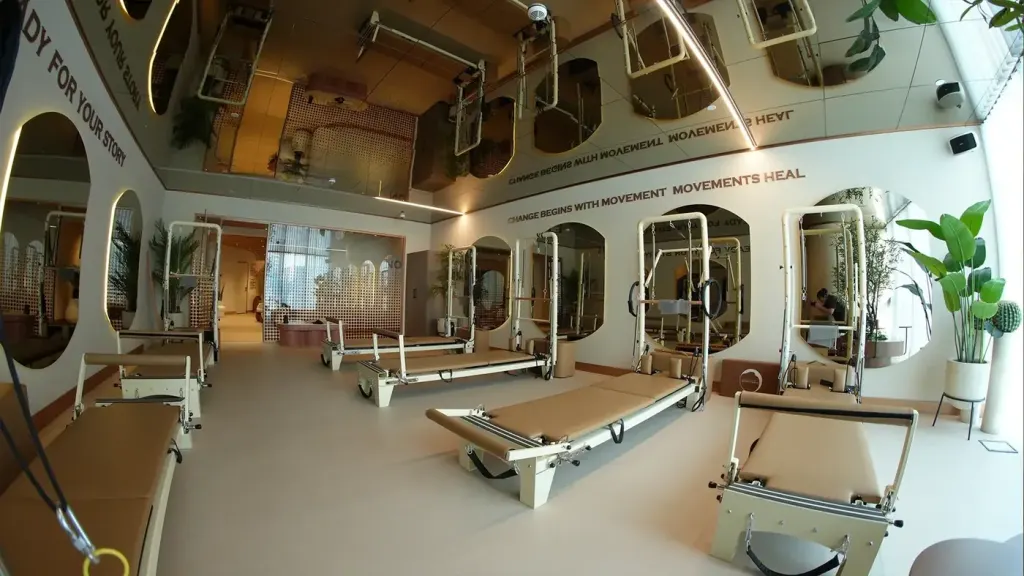
Reformer and Cycle Booking System: How Does It Work?
How do you reserve a place in Reformer and cycle classes, why are there capacity limits and how do cancellations work? A practical booking guide.
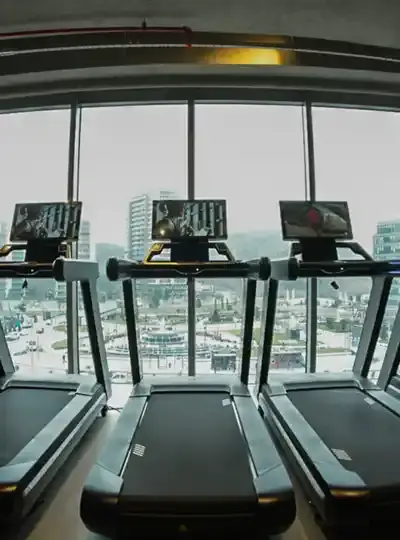
Membership contracts: the clauses to pay attention to
A summary of what to look out for in duration, cancellation, freeze and extra service terms before signing a gym contract.

Building a Training Habit: Behavior Design and a 12-Week Approach
How do you build a training habit? The habit loop, the cue-behavior-reward logic and a gradual 12-week plan to make it stick.
