
Busy and Quiet Hours: Choosing Your Training Time at a Club
The same club offers a completely different experience at different times of day. Here are tips for choosing the time that fits your rhythm.
The same sports club can feel like two different places between seven in the morning and six in the evening. At a quiet hour you can use the equipment comfortably, while at a busy hour you may wait in line or find a class full. This difference directly affects membership satisfaction and the sustainability of a routine. In this article we explain why busy and quiet hours occur, which hour suits whom and how to act smartly with booked classes. Because O'Wellness Beytepe has not opened yet, we do not share real density data; this article is a guide to the general rhythm of a club.
Why do busy hours occur?
A club's density is not random; it moves in predictable waves depending on people's work and life patterns. Those who come early before work, those who train briefly at lunch and those who come in the evening after work form three main waves. The hours between these waves are usually calm.
Weekdays and weekends also carry different rhythms. After-work hours on weekdays are the most pronounced peak; at weekends density is spread more evenly through the day. Seasons matter too: in cold months the shift toward indoor training grows, while in summer people may move outdoors. These general trends may not apply exactly to every club; the real rhythm becomes clear through observation after the club opens.
| Time slot | General tendency | Who it suits |
|---|---|---|
| Early morning | Medium; people before work | Regular people who can wake early |
| Late morning | Usually calm | Flexible workers, home and part-time workers |
| Lunch break | Short and lively | Those who want to break the office day with short classes |
| Afternoon | Usually calm | Shift or flexible-hour workers |
| After-work evening | Busiest wave | Those with no other option during the day |
| Weekend | Balanced, longer sessions | Those with plenty of time, families |
The table should be read as a generalization; after the club opens, your own observation and the team's recommendations will be the most reliable source.
Pros and cons of quiet hours
Quiet hours offer advantages in easy access to equipment, less waiting between sets and focus on training. For beginners this environment is especially valuable for learning movements calmly and feeling that eyes are not on you. When working on technique in the strength area, nobody is waiting for you, so you can use your rest periods properly between reps.
On the other hand, quiet hours also have disadvantages: the atmosphere can be less energetic and group classes may be scheduled less frequently at these times. For those who feed on the social atmosphere and shared energy, busy hours may offer a livelier experience. So being quiet or busy is not good or bad in itself; what matters is which suits you.
Four criteria for choosing your own time
Choosing a time should rest not on a single factor but on a combination of factors. The four criteria below make your decision systematic.
- Your energy pattern: Do you feel more energetic in the morning or the evening? Bringing training close to the hour when your energy is high increases performance and enjoyment.
- Sustainability: Which time is the only one you can do regularly? The right time is not the perfect one but the one you can truly go to each week.
- Your goal: If you want to learn technique a quiet hour, and if you seek energy and community a busy hour may suit better.
- Sleep and meal pattern: Take care not to clash training with your meal and sleep hours.
None of these criteria is decisive alone. Considering sustainability first and then energy is a sound order for most people. If you have a specific concern about sleep, you can discuss the effect of late intense training on your sleep with your doctor or a specialist.
A small tip for beginners: try different hours during the first two weeks and note how you feel each time. Your energy during training, ease of access to equipment and the quality of your sleep afterwards will tell you which hour suits you. This small experiment is far more efficient than struggling for months with the wrong hour.
Managing density in booked classes
In classes with small groups such as Reformer Pilates, capacity is limited; this means classes fill up rather than get crowded. The most reliable way to find a place at popular times is to plan ahead and book. If you can also consider the same class at alternative times, you gain flexibility.
- Follow the weekly schedule and tie your routine to fixed days.
- Identify a second choice for each class.
- When you realize you cannot make it, release your place in time so someone else gets the chance.
- In busy hours, prepare by arriving a few minutes early.
Booking and cancellation terms will become clear when the club opens and will be announced to members. What you should know now is that acting in a planned way is the biggest gain in busy hours.
A sample week: balancing the hours
Using both busy and quiet hours enriches the experience. For example, you could plan strength training at a quiet hour and group classes at livelier hours. This way you strike a balance between technique-focused work and community energy. The outline below is written to give you an idea; adapt it to your own life.
| Day | Activity | Time preference |
|---|---|---|
| Monday | Strength and cardio area | Quiet hour; technique-focused |
| Wednesday | Reformer Pilates or a group class | Booked; according to class time |
| Friday | Mobility or yoga | Light finish; an hour that relieves workload |
| Saturday | Long session and recovery | Plenty of time; suitable for stretching after training |
This outline is an example, not a recommendation; your weekly number of days, your goal and the club's actual program determine the final plan. Two days a week may be enough at the beginning; it can be increased as you progress.
Sharing equipment and courtesy at busy hours
In crowded hours small behaviors make a big difference. Not lingering on the phone at a station between sets, putting equipment back after use and briefly letting someone know if they are waiting make everyone's training easier. Even when they are not written rules, these behaviors form the basis of a club culture and noticeably reduce the tension of busy hours.
- Free the station when you finish a set; do your resting off to the side.
- Wipe the equipment and put it back.
- Asking someone waiting "shall we share the set?" often offers a shared solution.
- In a group class keep your place and arrive on time; do not delay the start of the class.
The effect of seasons, holidays and special periods
Density does not stay constant throughout the year. Times such as goals set after New Year, the pre-summer preparation period and the start of the school year create fluctuations in clubs. During holidays, working hours and usage patterns may change; the club announces such situations to members in advance.
The best defense against these fluctuations is a flexible routine and an alternative time plan. Instead of depending on a single hour, identify two or three options. That way an unexpected density or schedule change requires only a small adjustment instead of ruining your week.
Details to watch beyond density
Even in a busy hour, a well-planned club can keep its order: when equipment flow, changing area and rest area are adequate, the feeling of crowding decreases. So when the club opens, look not only at the number of people but at how the spaces carry that load. The smooth operation of daily needs such as towels, lockers and showers determines the enjoyment of a busy hour.
A Mobility & Stretching class is a good option for those who want to recover after training. There is no pool at the club; current times for fitness, Reformer Pilates and group classes will be shared on the weekly schedule page. You can learn what density to expect at which hour by observing after the opening; our team will also guide you on the most suitable hours.
Which is the quietest hour?
In general, the hours in the middle of working hours are calmer, but every club has a different rhythm. The real density becomes clear through observation after the club opens.
Is training safe at a busy hour?
Yes, but take care not to disrupt your warm-up and rest while waiting for equipment and do not increase the load while waiting your turn. If you have health concerns, consult your doctor.
Will it be hard to find a place in classes?
Capacity is limited in small-group classes. Planning ahead and considering alternative times increases your chance of a place. Founding membership provides capacity priority.
When does the club open?
It opens very soon; we do not share an exact date. People who leave a founding membership pre-registration receive current information.
Are weekends calmer?
Density is generally spread more evenly through the day, but this is not the same in every club. Your own observation after opening is the best source.
Busy or quiet, every hour has its own character. The right approach is to discover the one that suits you best: listen to your energy, your schedule and your goal, make small experiments and update your time when needed. Keeping your routine flexible is the safest way to make it sustainable. When the club opens, look over the weekly schedule, try a few different hours and make the pattern that works best for you permanent.
Related posts
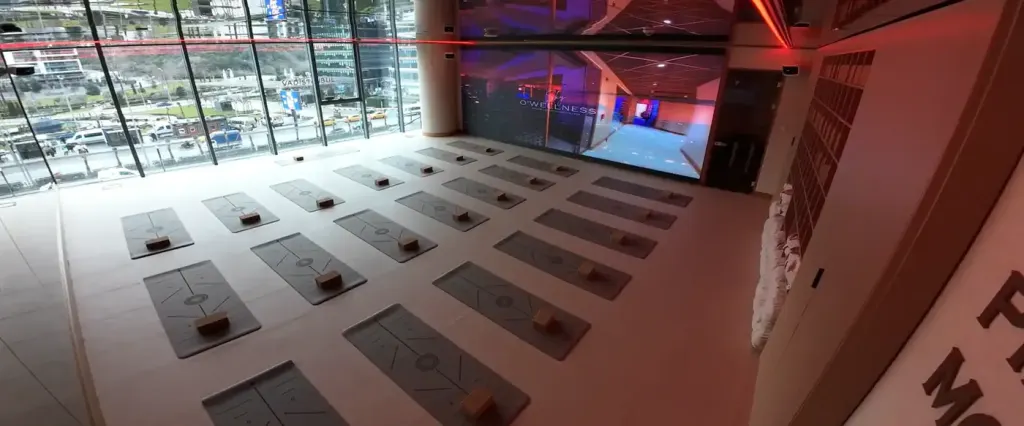
Member Events: Workshops, Challenges and Community
Beyond the class schedule, workshops, challenges and community meet-ups enrich the membership experience. We explain why these events matter and how they are planned at O'Wellness Beytepe.
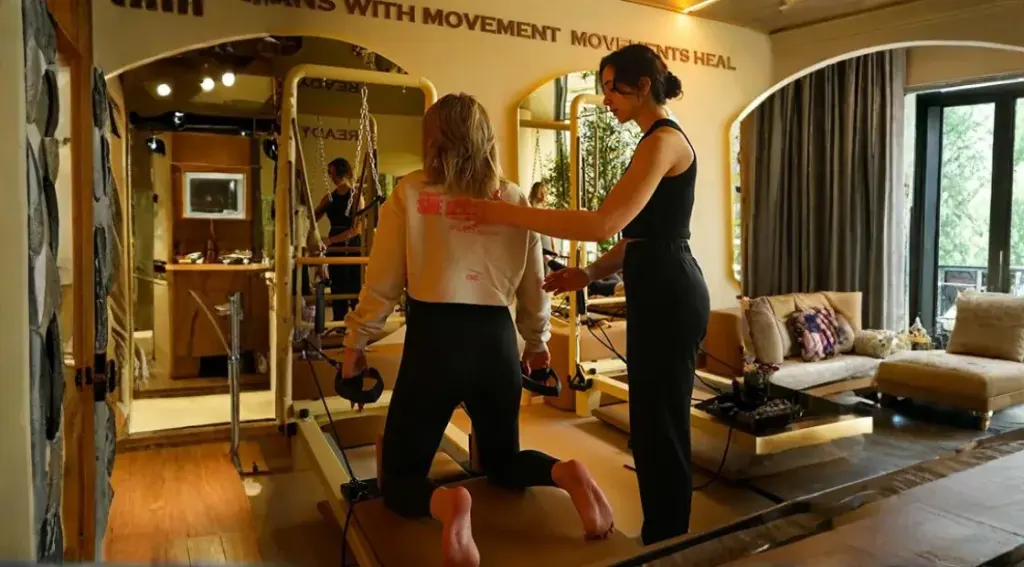
How Are Membership Prices Determined? A Transparent Look When Choosing a Gym in Ankara
Why do gym prices vary so much? Without quoting figures, we explain how scope, duration and add-on services shape the cost of a membership.
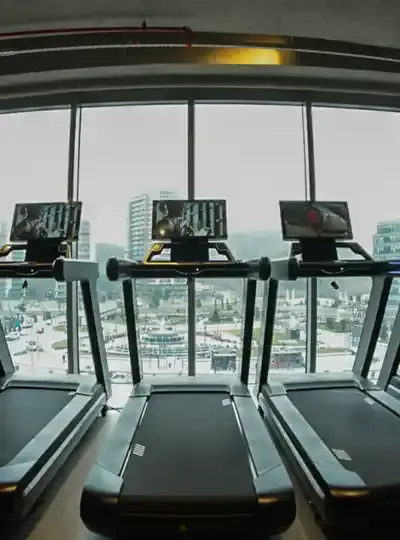
Personal data and privacy: how do we protect our members' data?
We explain why O'Wellness Beytepe collects member data under KVKK practices, how it is stored, and what rights members have.
