
What is vinyasa yoga? The basics of breath and movement flow
The answer to what vinyasa yoga is lies in flowing movement sequences synchronized with breath. We explain its principles, a sample class and who it suits.
If you have been invited to a yoga class with the word "flow", you are most likely facing vinyasa yoga. The shortest answer to what vinyasa yoga is: a dynamic yoga practice in which every movement is paired with a breath and the postures are linked by uninterrupted transitions. In this article we look in detail at the basic principles of vinyasa yoga, a typical class structure, the breathing technique and who this style suits.
What the word vinyasa means
The word "vinyasa", of Sanskrit origin, roughly means "to place in a special way". In the yoga context it describes movements arranged not randomly but in a specific order and flow that agrees with the breath. While classical hatha yoga classes may include longer pauses between postures, in vinyasa classes the transition from one posture to the next becomes part of the class itself. This is why vinyasa can be described as a "moving meditation" more than a series of static postures.
Synchronizing breath and movement
The most distinctive feature of vinyasa yoga is the one-to-one pairing of breath and movement. The general rule can be summed up like this: inhale as the body opens or moves upward, exhale as the body closes or folds forward. This pairing gives movements a natural rhythm and makes it easier to focus the mind on the movement at hand. The breathing technique used is usually called "ujjayi breath": breathing in and out through the nose with a slight narrowing of the throat that produces a soft friction sound, it supports warming up and helps keep focus throughout the practice.
The structure of a typical vinyasa class
Vinyasa classes are mostly built on a similar skeleton, although details can vary from instructor to instructor:
- Centering (5 min): A few minutes of focusing on the breath, seated or lying on the back, and setting the intention for the class.
- Warm-up (10 min): The spine is mobilized with cat-cow, hip circles and gentle twists.
- Sun salutation series (10-15 min): The body is warmed through repeated standing forward folds, planks, chaturanga (low push-up position), and upward and downward facing dog.
- Main section (15-20 min): Warrior series, balance postures (tree, half moon), twists and, if appropriate, preparatory movements for inversions are added.
- Cool-down and relaxation (10-15 min): The class closes with seated forward folds, hip-opening postures and full supine relaxation (savasana).
Comparison: vinyasa and other types of yoga
| Feature | Vinyasa yoga | Deep stretch (yin) yoga | Budokon yoga |
|---|---|---|---|
| Tempo | Medium-high, flowing | Low, long holds | Medium-high |
| Main focus | Cardio, strength, coordination | Fascia, relaxation | Agility, floor movement |
| Breath emphasis | Active, guides the movement | Passive, in the background | Active, variable |
The O'Wellness Beytepe class schedule includes different yoga formats such as Vinyasa, Deep Stretch and Balanced Yoga, so you can choose the tempo and focus according to your goal. Check the weekly schedule for the current class flow.
The potential benefits of vinyasa yoga
- Cardiovascular stimulus: Continuous movement can raise the heart rate moderately and support endurance.
- Muscular endurance: Transitions such as plank and chaturanga work the upper body and core muscles repeatedly.
- Coordination: Pairing breath with movement improves timing and body awareness.
- Flexibility: Repeated transitions can gradually increase joint range of motion.
- Mental focus: The constantly changing sequence makes it hard for the mind to wander and supports presence.
Level and modification variations
Vinyasa classes keep the flow tempo while allowing individual modifications. For example, if chaturanga is challenging, an easier version can be done with the knees lowered to the floor. If upward facing dog is uncomfortable for the lower back, it can be swapped for cobra. In balance postures (tree, half moon), using wall support builds confidence for beginners. For experienced participants, difficulty can be raised by adding jumps (jump-back, jump-through) to the transitions. Instructors suggest these modifications by asking about your level at the start of class.
Common mistakes
- Exhaling before or after the movement: When breath and movement do not match, the rhythm of the flow breaks and fatigue can rise.
- Dropping the shoulders in chaturanga: This can put needless stress on the shoulder joint; keep the elbows close to the torso.
- Skipping the warm-up: Going straight into intense transitions with cold muscles raises the risk of strain.
- Forcing the speed: Losing proper alignment while trying to keep up with the flow can lead to joint problems in the long run.
Who it is not suitable for, or who should take care
People with wrist, shoulder or elbow problems should be careful in weight-bearing transitions such as chaturanga and plank and, if needed, choose the modified versions on the knees. Those with high blood pressure or heart conditions should know when to pause in fast-paced classes and consult their doctors. During pregnancy, movements that press on the abdomen and deep twists should be modified or omitted; it is important to consult your doctor in this case.
How is progress measured?
In vinyasa yoga, progress can be tracked with functional indicators such as completing sun salutation series with less fatigue, holding balance postures for longer, and gaining shoulder and core control in the chaturanga transition. A breath that breaks less during movement also signals a deepening practice. Observing these indicators every few weeks helps you understand in which areas you are improving.
A sample 4-week adjustment plan
- Week 1: Attend once a week; focus on the basic sun salutation sequence.
- Week 2: Attend twice a week; pay attention to the balance postures.
- Week 3: Attend twice a week; consciously observe the breath-movement pairing.
- Week 4: Attend two to three times a week; assess fluidity and endurance in the transitions.
Equipment and clothing tips
No special equipment is needed for vinyasa classes; you can ask our team for current information about mats. Because it is a class with a high sweat rate, breathable clothing in stretchy fabric is recommended. Participating in non-slip socks or barefoot supports balance and safety in plank and transitions. Keeping a water bottle with you is useful during short breaks in class.
Combining with other classes
Because vinyasa yoga is cardiovascularly and muscularly demanding, it is usually more comfortable to spread it over separate days instead of combining it with an intense Reformer Pilates or strength session on the same day. Adding Deep Stretch Yoga or Mobility & Stretching after a vinyasa class can contribute to muscle recovery. For more general yoga and mobility content, see our blog posts.
The vinyasa yoga experience at O'Wellness Beytepe
O'Wellness Beytepe is located in the Yaka Beytepe complex in Çankaya; yoga, mat pilates and mobility classes take place in the O'Soul studio. For the weekly schedule and class times, see our weekly schedule page, and for information about the instructor team, see our trainers page. We offer a free facility tour and trial session before membership, so you can experience a vinyasa class without joining.
Basic postures used often in class
Getting to know a few basic postures repeated in a vinyasa class makes the flow easier to follow. In downward facing dog, the hands and feet press into the floor and the hips are pushed up so the body forms an inverted V; this posture supports shoulder and calf flexibility. In the warrior postures, the front knee bends to about 90 degrees while the back leg stays straight, which demands leg strength and balance. In upward facing dog, the chest opens forward and up while the legs lift off the floor; this movement supports spinal extension. Performing these postures with correct alignment both raises efficiency and lowers the risk of injury.
Vinyasa yoga and stress management
Although it is constantly in motion, vinyasa yoga can also have a calming mental effect thanks to the continuous attention given to the breath. Pairing movements with breath makes it easier for the mind to leave daily worries behind and focus on the movement at hand. The savasana (full relaxation) at the end of class is a dedicated period for the nervous system to settle; not skipping it matters for completing the overall benefit of the class.
Tips for home practice
For those who want to do a short vinyasa practice at home between studio classes, here are a few tips. A short sun salutation series of five to ten minutes can be added to the morning routine. Choose a flat surface with a non-slip floor and use a mat. Having learned correct alignment in the studio under an instructor's supervision before repeating a newly learned movement at home makes home practice safer. If you feel pain in the shoulder or wrist, stop the movement immediately and, if needed, share it with the instructor in the next class.
Frequently asked questions
Is vinyasa yoga suitable for beginners?
Yes, but the tempo is faster than in some other types of yoga. Beginners can join by using modified versions and taking breaks when needed; instructors provide guidance.
What is the difference between vinyasa yoga and hatha yoga?
In hatha yoga, postures are usually held longer and transitions are slower. Vinyasa links postures with flowing transitions synchronized with the breath, creating a more dynamic tempo.
Does vinyasa yoga help with weight loss?
Vinyasa yoga can provide a moderate calorie burn and contribute to an active lifestyle, but it should not be regarded as a weight loss method on its own; it should be considered together with nutrition and overall activity level.
Why O'Wellness Beytepe for vinyasa yoga in Ankara?
The O'Soul studio schedule includes different yoga formats such as Vinyasa, Deep Stretch and Balanced Yoga, so you can vary your practice. See our weekly schedule page for the current program.
What should I eat before vinyasa yoga?
Eating a light meal 1.5-2 hours before class can reduce discomfort during dynamic movements. Attending on an empty stomach or too full can cause dizziness or discomfort in some people.
Conclusion
The answer to what vinyasa yoga is can be summed up briefly: a style of yoga made of flowing transitions synchronized with the breath, engaging both body and mind. With the right modifications it can be adapted to participants of almost any level and, with regular practice, can offer physical and mental benefits. The best approach is to try a few classes, observe how your own body responds to the flow and ask your instructor for feedback when needed.
To begin your vinyasa yoga experience, you can plan your free trial session through our contact page.
Related posts
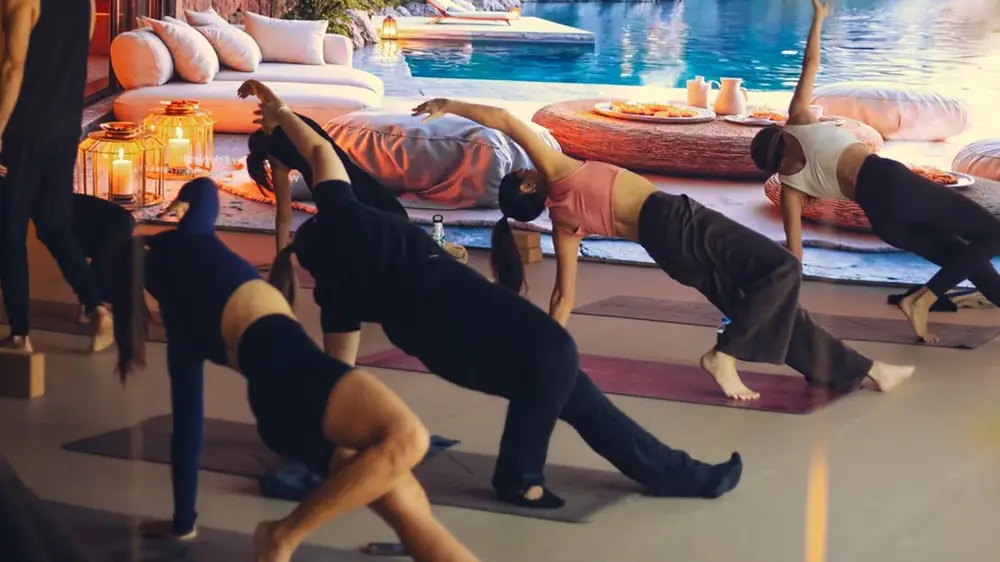
Morning Yoga Routine: Start Your Day in 15 Minutes
A morning yoga routine is a practical way to start the day energised and balanced. We share a 15-minute step-by-step flow, modifications and a weekly practice plan.
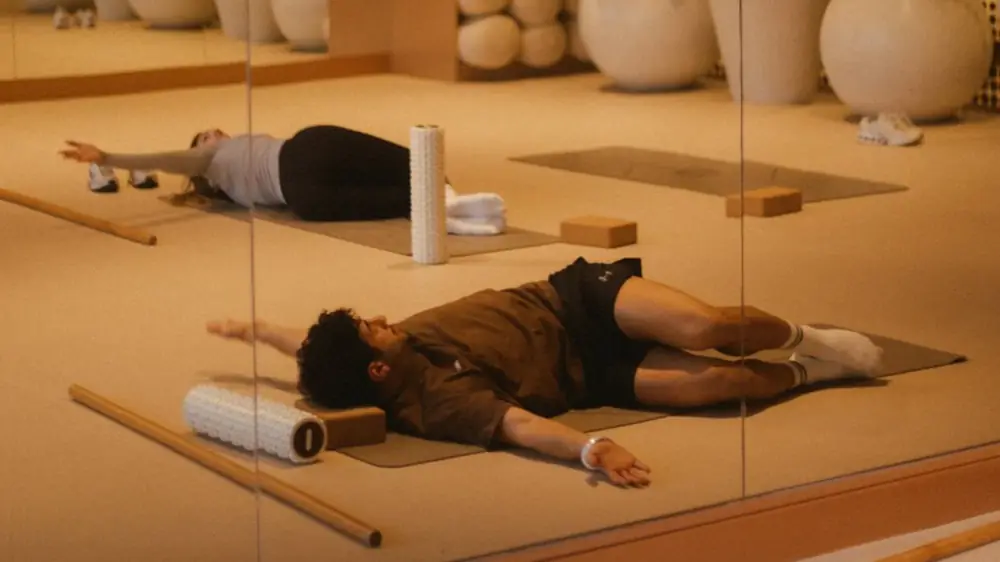
Dynamic vs static stretching: which one, and when?
What is the difference between dynamic and static stretching, and which should you choose before and after training? We explain the science and the practice.
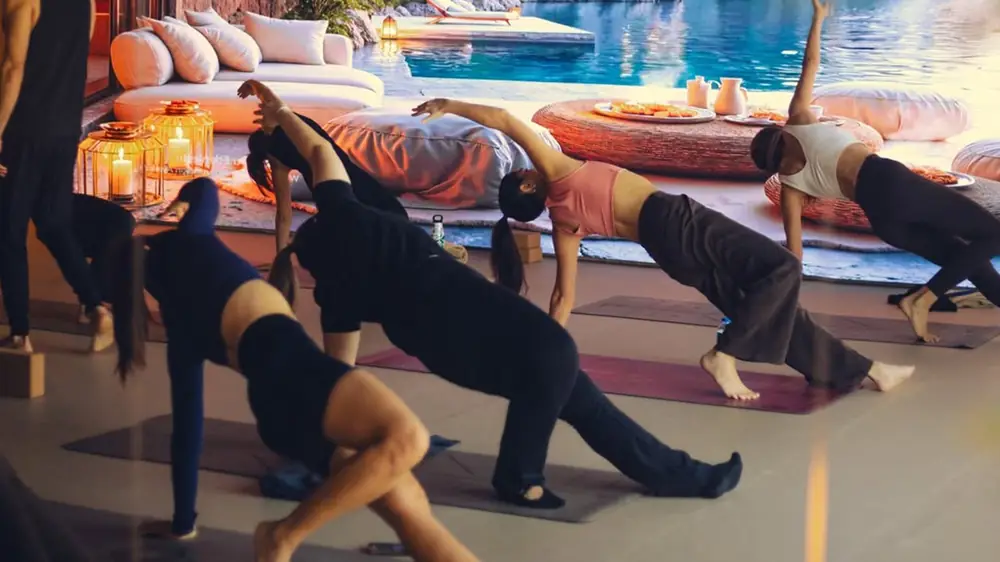
Breathing Practice and Yoga-Based Calming for Exam Anxiety
Racing hearts and tension before exams are experienced by everyone. Simple ways to calm yourself with breathing and gentle yoga movements.
