
Recovering After Long Trips and Business Travel: Getting the Body Moving Again
Hips, back and legs stiffened by hours of sitting are not ready for training on return from a trip. How should you plan the first 48 hours after travel and how do you restart slowly?
A business trip out of Ankara, a flight to Istanbul or a long drive on return from a holiday... What they all share is hours of sitting, irregular sleep, different food and a disrupted routine. The subject of recovery after travel therefore needs a holistic approach covering both bodily stiffness and the balance of sleep and energy. In this article we explain what you can do in the first days after returning.
These suggestions, also valid for members resuming classes at O'Wellness Beytepe after travel, are general in nature. After long flights, symptoms such as leg swelling, pain or shortness of breath can be signs of serious conditions such as deep vein thrombosis; in such cases seek medical help immediately.
What Prolonged Sitting Does to the Body
Sitting for long periods shortens the hip flexors, deactivates the glutes and can create a feeling of tightness around the lower back. The neck and shoulders tend to round forward. Slowed circulation in the legs can also lead to swelling and a feeling of heaviness. These are often temporary and ease with movement.
Reduced water intake during travel and increased caffeine and airport food can also make you feel more tired. Humidity is low in the air and in closed cabins so a feeling of thirst can be more marked.
For this reason, rather than a sudden and heavy return to training, it is wiser to get the body moving again first. Recovery is not waiting but a light, gradual restart.
Small Precautions During the Trip
The best recovery begins during the trip. If travelling by car, take a break every two hours and a short walk. On a plane or bus, ankle circles, heel raises and moving the legs periodically are simple but effective. Drinking enough water and avoiding alcohol is also helpful.
Changing your sitting position from time to time reduces the load on the lower back and hips. A small lumbar cushion or a folded jacket can help. Choosing loose, comfortable clothes for long trips also helps circulation.
- On car trips, take a break every 2 hours.
- On planes and buses do ankle and knee movements.
- Drink enough water; limit caffeine and alcohol.
- Wear comfortable, loose clothing.
- On arrival, take a short walk instead of sitting down immediately.
Arrival Day: The First 24 Hours
When you arrive at home or the hotel, make your first task a short walk. A brisk walk of ten to twenty minutes revives circulation and wakes the body again. Afterwards drink water and eat a light, balanced meal. Avoiding heavy and fatty foods helps sleep quality.
In the evening, a light mobility flow eases the hip flexors, lower back and chest. A warm shower can also relax the muscles. If you return from a place with a time difference, using daylight and moving sleep hours towards local time speeds up adaptation.
The First 48 Hours: Light Mobility and Walking
On the second day after return, a fifteen to twenty minute flow focusing on hip, lower back and spinal mobility is very useful. Hip flexor stretches, glute bridges, cat-camel and chest-opening movements are a good choice. Do the movements slowly and with control and do not push into pain.
Yoga and mobility classes at O'Wellness Beytepe can be a suitable choice for this purpose. A reformer pilates session also offers a controlled restart with light spring load. You can postpone the return to heavy strength training for a day or two.
Sleep and Time Differences
Disrupted sleep after travel is very common. Sudden early wake-up times, hotel beds and anxiety about a new environment can affect sleep. On return, if possible, going to bed early the first night and limiting caffeine in the afternoon is a good strategy. Getting daylight in the morning helps align the body clock.
If sleep problems last more than a few days, adding a rest day and postponing intense training makes sense. Heavy training while sleep-deprived can be both inefficient and risky for injury.
A Gradual Return to Training
The return plan varies with the length of the trip and your training history. After a short trip of a few days you can return to your normal programme from the second day. After a longer trip of one or two weeks, starting at seventy-five per cent of your loads in the first week is a reasonable approach. Listen to your body; if there is unusual fatigue or pain, take a step back.
Nutrition after travel is also an important part of recovery. Packaged products, salty snacks and irregular meals eaten on the road can unsettle the body's balance a little. On return, plain meals containing vegetables, protein and whole grains, plenty of water and, if wished, light options such as yoghurt feel good. Avoid harsh methods such as extreme restriction or compensatory fasting; a regular, balanced and calm meal pattern helps the body recover itself. There is no need to feel guilty about foods you enjoyed during the trip.
A common situation on business trips is staying inactive because of a packed meeting schedule. On such trips a twenty-minute bodyweight session in a hotel room or park helps maintain fitness. Putting a resistance band in your suitcase makes it easier to keep moving. In this way restarting on return is much easier and recovery time shortens.
Finally, be gentle with yourself during recovery. Travel is both a physical and mental load, and the body needs time to find balance again. If your energy does not return within a day or two, continue at a calm pace and allow rest. Do not forget to see a health professional in case of unusual symptoms such as pain, swelling or shortness of breath.
A short checklist after a trip can make things easier: have I drunk enough water, did I walk today, has my sleep schedule settled, do my hips and back feel eased, do I feel ready to return to training? The answers usually turn positive within a day or two. For the muscles and joints to readjust, mobility, walking and light strength work can be combined at a calm pace. Keeping the same plan ready for the next trip makes the return even easier; a resistance band, light workout clothes and a water bottle in your bag are enough. In this way travel becomes an experience that stretches your routine rather than cutting it.
When restarting, focus on technique and movement quality. Do not hesitate to use modification options in group classes. A planned return reduces injury risk and keeps motivation high. We look forward to seeing you again in Yaka Beytepe when you are ready.
Related posts
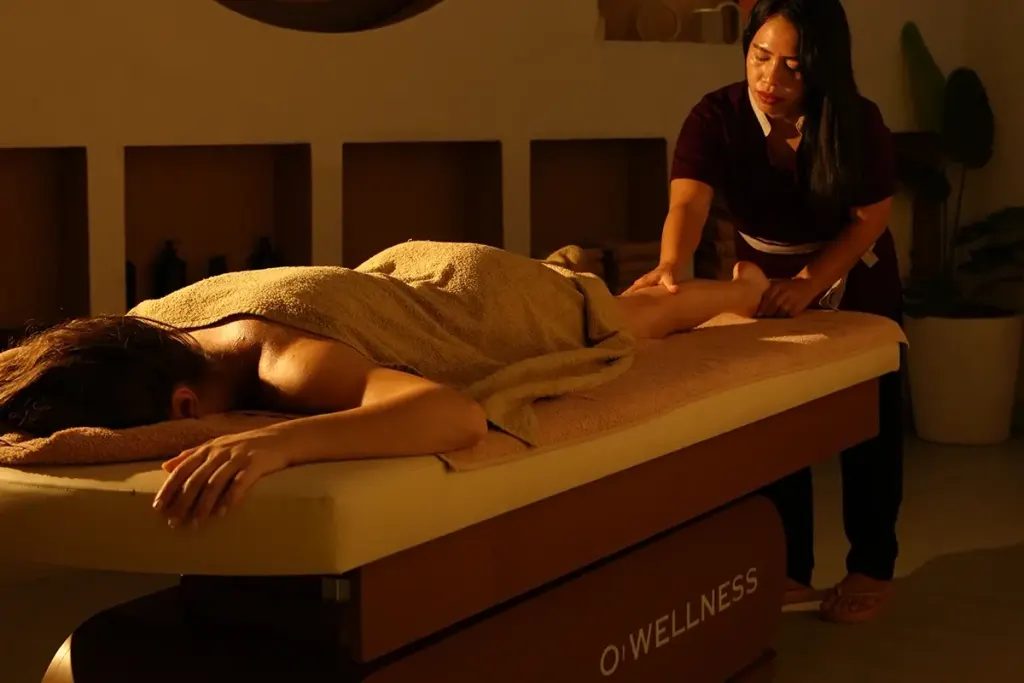
Training and Recovery: A Weekly Wellness Plan
Combining training with mobility, stretching, sleep and nutrition in a planned way protects performance and speeds recovery. A sample weekly plan for Beytepe and common mistakes.
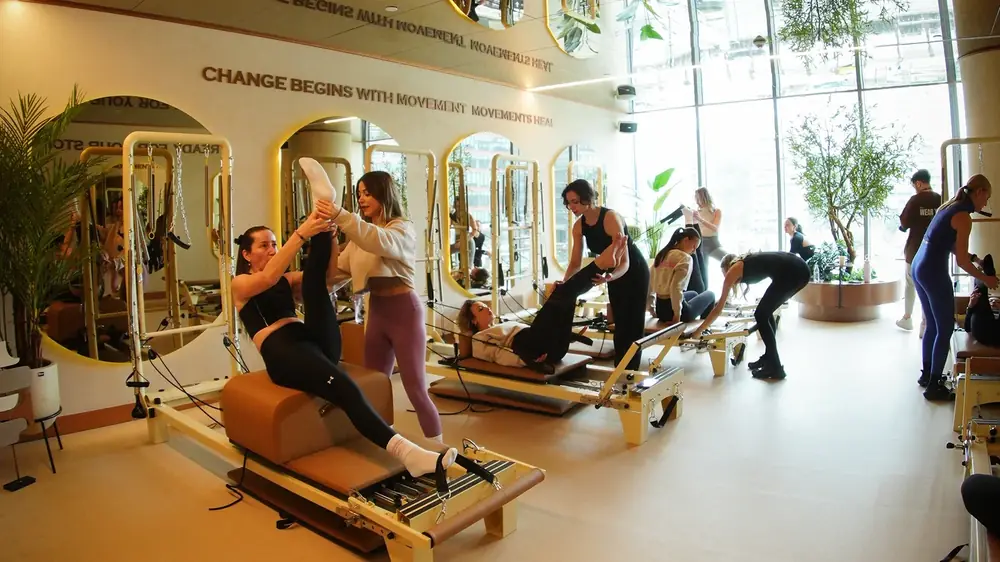
Shoulder Health for Swimmers: Scapular Control and Preventive Exercises
In a single swim session the shoulder repeats the same movement hundreds of times. We explain how to protect it with dry-land exercises that build scapular control, technique fixes and smart volume management.
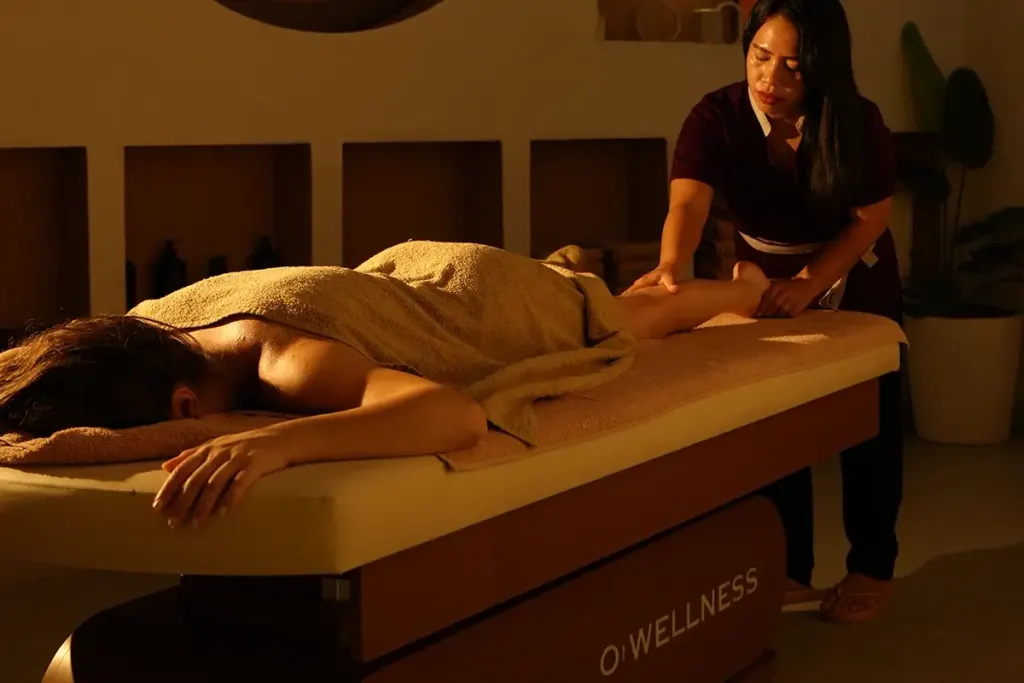
Training and the Immune System
Regular, moderate movement can support immunity, while excessive training without recovery can have the opposite effect. We explain the J-curve, the above-the-neck rule and a balanced weekly plan.
