
Training and Recovery: A Weekly Wellness Plan
Combining training with mobility, stretching, sleep and nutrition in a planned way protects performance and speeds recovery. A sample weekly plan for Beytepe and common mistakes.
A training and recovery plan means combining training with recovery tools in a planned rather than random way; set up in the right order, it both protects performance and speeds up recovery. In this article we explain how to build a weekly training-recovery balance using the facilities at O'Wellness Beytepe, which session to place on which day, and the common planning mistakes.
Why should training and recovery be planned together?
Training places a load on the muscles and nervous system; sleep, nutrition, stretching and mobility work help manage the effects of that load. But order and timing matter: following a heavy strength day with a light mobility session supports recovery, while squeezing two hard days back to back accumulates fatigue. When building a plan, the aim is to place each session where it gives the most benefit; a do-it-when-I-feel-like-it approach both wastes time and reduces the potential benefit.
The building blocks of a weekly plan
A training and recovery plan has three layers: training days, active rest days and a full rest day. At O'Wellness Beytepe you can combine these three layers within the same club, without rushing between different addresses.
- Training layer: Reformer Pilates, group classes or personal training sessions.
- Recovery layer: Mobility & Stretching and Deep Stretch Yoga classes, foam rolling and stretching, enough sleep and nutrition; the Sports Physiotherapist service when needed.
- Rest layer: At least one day a week is kept low-stimulus; a walk or complete rest are both good options.
Sample weekly training-recovery plan
| Day | Session | Recovery |
|---|---|---|
| Monday | Total Body | 10 min foam rolling and stretching |
| Tuesday | Reformer Pilates | — |
| Wednesday | — | Easy walk and mobility work |
| Thursday | O'Hiit | Light stretching and an early night |
| Friday | O'Ride Cycle | Mobility & Stretching class |
| Saturday | Deep Stretch Yoga | Foam rolling and stretching; a Sports Physiotherapist assessment if needed |
| Sunday | — | Full rest or an outdoor walk |
This table is a template and can be adapted to your personal goals with our coaches. Check our weekly schedule page for current class times.
The difference between recovery work before and after training
The most critical distinction in planning is whether a session is done before or after training. Ignore it and you either lose performance or waste a recovery opportunity.
Using it correctly before training
Before training, five to ten minutes of dynamic warm-up and light mobility movements can loosen the muscles and increase joint range of motion. On the other hand, prolonged static stretching can temporarily reduce muscle strength, so long static stretching is not recommended before heavy lifting or a high-intensity class.
Using it correctly after training
After training, a 10–15 minute session of light stretching or foam rolling supports muscle relaxation and gives a general sense of calm. Order matters here: first lower your heart rate with an easy walk, then stretch, and finish by drinking plenty of water.
Training-recovery combinations by goal
Not everyone's plan should be the same; the emphasis changes with the goal.
| Goal | Training emphasis | Recovery emphasis |
|---|---|---|
| Muscle mass and strength | 3–4 strength sessions a week | Post-workout stretching, enough protein and sleep |
| Stress management | 2–3 moderate classes plus yoga | 1–2 Deep Stretch Yoga classes a week, breathwork |
| General health and vitality | Mixed group classes | Regular brisk walks, one Mobility & Stretching class a week |
| Returning from injury | Low-intensity reformer with a physiotherapist | Only with medical and physiotherapist approval |
4-week starter programme
For newcomers to a plan like this, a gradual introduction makes it easier to build the habit and prevents overload.
- Week 1: 2 training sessions and 1 short stretching session (10 minutes) a week; getting to know the facility and studios.
- Week 2: 3 training sessions, 2 short stretching sessions and one mobility class.
- Week 3: Training frequency stays the same, foam rolling is introduced and sleep times are regulated.
- Week 4: The full weekly plan is applied; if needed, a first assessment appointment is booked with the Sports Physiotherapist.
Common planning mistakes
- A long stretching marathon after every workout: More than 30 minutes of stretching a day wastes time; 10–15 minutes is enough.
- Skipping recovery days altogether: Focusing only on training and neglecting the recovery layer leads to a plateau in the medium term.
- Training hungry or dehydrated: This increases the risk of dizziness and weakness; a light meal and plenty of water beforehand are recommended.
- Adding another hard day right after a heavy strength day: Muscle strength can drop; put a mobility or light day in between.
Tracking progress
The most practical way to tell whether the plan is working is to track a few simple indicators: resting heart rate in the morning, sleep quality, training performance (weight, reps, pace) and overall energy level. If these improve for several weeks in a row, the programme is working; if they worsen, you may need to strengthen the recovery layer.
Who should avoid it and what to watch for
If you have cardiovascular disease, uncontrolled high blood pressure, are pregnant or are prone to dizziness, always consult your doctor before starting a training programme. During an acute injury or a feverish illness, the training programme should be paused temporarily; priority should go to complete rest and, if needed, a Sports Physiotherapist assessment.
Why is the training-recovery combination practical in Beytepe?
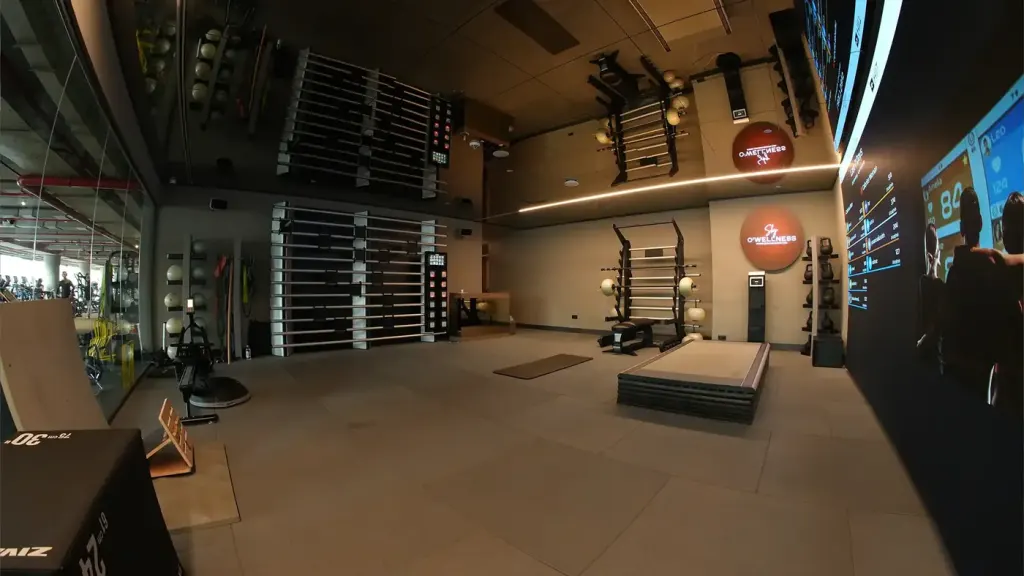
O'Wellness Beytepe brings together a strength and cardio area, a Reformer Pilates studio, the O'Soul and O'Rise studios and a functional area. The same club also offers Mobility & Stretching and Deep Stretch Yoga classes plus Sports Physiotherapist and Dietitian services. This lets you combine training and recovery in the same visit, without chasing appointments between separate venues. A few minutes from Hacettepe University's Beytepe campus, Çayyolu, Ümitköy and İncek, and with the complex car park, it makes it easier to keep the weekly plan going consistently. We should also note that Beytepe has no pool; those who want to include swimming in their programme should check current hours and terms of pool options in Ankara themselves. See our membership page for membership options.
Plan variations by level
The intensity of the plan should vary with experience level; applying the same template to everyone either falls short or leads to overload.
Beginners
Muscle soreness can be more pronounced in the first weeks than for experienced athletes. During this period, stretching and mobility work should be kept short (5–10 minutes), with the main priority on adequate sleep and light movement. Training frequency should be limited to 2–3 sessions a week, and the recovery layer should be increased gradually.
Intermediate level
Members with a regular training history can add 2–3 recovery sessions to 3–4 workouts a week. At this level, foam rolling and a weekly flexibility class can be included in the programme.
Advanced level
For athletes doing high-volume training, the recovery layer becomes more important: 2–3 mobility or stretching sessions a week, a Sports Physiotherapist assessment when needed and more intensive recovery during deload weeks are recommended. At this level, following the programme holistically with personal training support is beneficial.
Facility and infrastructure details
The infrastructure supporting the plan at O'Wellness Beytepe includes: a strength and cardio area; the O'Soul studio for yoga, mat Pilates and mobility; the O'Rise studio for total body, HIIT, crunch & core, cycle and booty classes; a functional area with sleds, kettlebells and TRX; and a Balanced Body Reformer Pilates studio with a maximum of 6–8 people per session. The club is open 06:00–23:00 on weekdays and 08:00–23:00 at weekends.
Combining the plan with other recovery tools
Stretching and mobility are only one part of the recovery system; sleep and nutrition remain the cornerstones. A meal containing protein and carbohydrate within two hours of training is as decisive as a stretching session. When signs of overtraining appear, such as constant fatigue, trouble falling asleep and a drop in performance, you should first reduce training volume (deload) rather than add more recovery sessions. For a broader recovery framework and nutrition details, see the related posts on our blog and make use of the dietitian service at O'Wellness Beytepe.
Frequently asked questions
How many days a week should I devote to training and recovery?
For most members, 3–5 training days and 1–3 recovery sessions a week is a balanced start; it can be adapted to your personal goal with your coach.
Should stretching come before or after training?
For long static stretching the general rule is after training; beforehand, only brief, dynamic warm-up movements are appropriate.
Can I do training and recovery classes in the same visit in Beytepe?
Yes; the strength and cardio area, group classes and the Mobility & Stretching and Deep Stretch Yoga classes are all in the same club. See our weekly schedule page for current class times.
How often should I see the Sports Physiotherapist?
During intense training periods, or if you have persistent pain, getting an assessment is reasonable; needs vary from person to person.
Does a training and recovery plan help with weight loss?
It does not directly burn fat; its main contribution is indirect, improving training quality and consistency.
To build your own training and recovery plan, contact us via our contact page; you can get started in Beytepe with a free facility tour and trial session.
Adapting the plan to the season and your workload
The plan does not need to stay the same all year; workload, travel and seasonal changes call for flexibility. Maintaining training frequency can be hard during busy periods at work; in that case, a minimum plan reduced to two short workouts and one or two stretching sessions a week is the most practical way to stay consistent. In Ankara's cold, dry winter months, a good warm-up and mobility work can be especially helpful for reducing muscle and joint stiffness; in summer, morning walks in open areas such as around Lake Eymir or the METU forest add freshness to active rest. Even without access to the facility while travelling, the basic principles can be maintained with equipment-free active rest such as walking and stretching; increasing intensity gradually in the first week back reduces injury risk.
Long-term sustainability of the programme
The greatest benefit of the plan is not that it is a one-off detox week, but that it becomes a sustainable long-term habit. For that, the plan must be realistic and must not clash with work and social life. Reviewing the programme once a month to see which days work and which sessions keep getting skipped is the most effective way to personalise it. When motivation drops, temporarily simplifying the programme instead of dropping it altogether, for example going down to one workout and one stretching session a week, is a more sustainable way to stay consistent. Regular conversations with our coaches also help keep the plan realistic and updated to your goals.
Related posts

The Effect of Massage on Recovery: Deep Tissue, Sports Massage and More
Sports massage benefits include reduced muscle tension, supported range of motion and general relaxation. We compare deep tissue, sports massage and other types.
Hydration in Ankara's Dry Air: Training and Drinking Habits
In Ankara's low-humidity air, thirst can be easy to miss. Simple ways to build fluid habits before, during and after training.

Screen time, sleep and recovery: how they connect
How does evening screen use affect sleep and training recovery? We look beyond blue light and suggest a practical evening routine.
