
Managing Sleep, Movement and Energy While Writing a Thesis
Writing a thesis is a months-long endurance task. How do you keep your energy balanced with sleep, short movement breaks and regular training?
Tez yazımı; haftalar, aylar ve bazen yıllar süren bir dayanıklılık çalışmasıdır. Kısa vadeli sınavlardan farklı olarak, tez yazım döneminde enerjinizi uzun süre korumanız gerekir. Bu yazıda uyku, hareket ve günlük düzen üzerinden sürdürülebilir bir yaklaşım öneriyoruz. İçerik genel niteliktedir; uzun süren uyku bozukluğu, ağrı ya da duygusal zorlanma yaşıyorsanız bir sağlık uzmanına başvurun.
Marathon logic: pace, not sprint
In thesis work many people try to progress with all-night sprints, but this approach can lead to burnout after a while. A more sustainable path is to set a reasonable daily working time and make steady progress. Four to five hours of productive work is often more valuable than ten hours of scattered sessions.
Think of your energy as a resource: you have a limited amount each day, and spending all of it leaves a debt for the next day. Sleep, meals and movement are the elements that replenish it. This perspective lets you see taking breaks not as lost time but as part of productivity.
When making a weekly plan, place the hard parts in the hours when your energy is highest; for some this is morning, for others evening. Identify your own rhythm by observing it for a few weeks.
Long-term writing and analysis work tends to disturb the sleep routine. Yet sleep directly affects attention, memory and decision-making quality. Working until late at night and being unproductive the next day usually takes back the time gained.
- Keep your bedtime and wake time as steady as possible.
- Try turning off screens at least an hour before bed.
- Limit caffeine in the evening hours.
- Avoid using the bed as a workplace.
- If thoughts keep you awake, jot tomorrow's to-do items briefly on paper.
If sleep problems persist for weeks or you experience excessive daytime sleepiness, consulting a physician is right. What is given here are general habit suggestions and do not constitute treatment for a sleep disorder.
Movement breaks and training
Sitting for long periods can lead to tension in the neck, back and hips. A short two to three minute break every hour and a half reduces this buildup. Standing up and looking out of a window, doing a few squats and shoulder circles gives both body and mind a fresh start.
Regular training can begin with two or three sessions a week. Adjusting intensity to your workload makes it easier to continue without losing rhythm. In intense writing weeks, lowering intensity and doing only walking and mobility is also an acceptable approach.
Training can be designed as a break and a reward. A small workout when a thesis chapter is done can be a healthy way to celebrate progress.
Nutrition and caffeine balance
The most common mistake on long working days is postponing meals and getting by on caffeine. Regular, balanced meals keep energy steadier. Keeping options that require no preparation, such as yogurt, fruit and nuts, within reach reduces the chance of going hungry.
Spreading caffeine across the morning and early afternoon helps protect evening sleep. A water habit should not be forgotten either; thirst can affect attention and mood. These are not nutrition advice but practical reminders for a regular working day.
The thesis process can create a sense of loneliness. Meeting regularly with friends going through the same process, setting shared working hours and training together lighten this load. Communicating with your advisor reduces uncertainty and thereby mental load.
If you experience burnout, constant anxiety or a feeling of hopelessness, getting support from your university's counseling services or a health professional is a sign of strength. Movement and sleep do not replace this support but complement it. Options such as a light yoga class or swimming at O'Wellness Beytepe can be used for a mental break.
Arranging your work environment
The height of your desk and chair, the position of the screen and the lighting make a big difference in sessions lasting hours. The screen being near eye level, elbows resting comfortably at about ninety degrees and feet planted on the floor are basic ergonomic principles. At home or in the library these settings may not be perfect, but even small corrections can help reduce neck and back tension.
Separating your work area from your bed or rest area is also mentally useful. Getting up from the desk and turning off the lights when work is done signals to the brain that the job is finished. A small ritual can help prevent the pressure of the thesis from following you around the house.
Digital distractions and focus blocks
Setting focus periods increases productivity in thesis writing. A forty-five to fifty minute focus block followed by a five to ten minute break is a sustainable tempo for many people. During the break, standing up, drinking water or doing a few movements is more refreshing than a phone or social media.
Turning off notifications and moving the phone out of sight reduces interruptions of attention. When you finish working, going for a walk instead of staying in front of a screen calms mind and body together at the end of the day. These habits are the invisible but effective parts of energy management.
In the thesis process perfectionism can be one of the biggest obstacles to progress. Expecting every sentence to be flawless makes it harder to begin writing. Drafting first and revising later reduces both mental load and time pressure. Setting small daily goals and noting them as you complete them makes progress visible.
Celebrating small wins is also important. A short workout, a favorite meal or a meeting with friends when you finish a chapter turns the process from a burden into a journey. Building this balance lets you come out of the thesis with healthier habits, not just a diploma.
Pausing and restarting
In the thesis process some weeks pass unexpectedly unproductive. Illness, personal problems, technical setbacks or low motivation are all part of the process. In such weeks, instead of being angry with yourself, taking a short break and restarting with a small task is often more effective. The training routine also benefits from this flexibility.
When restarting, keep the first step very small: twenty minutes of writing, a fifteen-minute walk. Small steps bring momentum back. However long the process, progressing a little each day is often more sustainable than rare big breakthroughs.
At the end of the thesis process you are left with not only a text but also the experience of knowing your own working rhythm. Learning in which hours you are productive, what tires you and what renews you will serve you in later projects too. So think of sleep, movement and energy not as things for until the thesis is done but as lasting habits.
Do not hesitate to ask for support during the thesis process. Your advisor, friends, family and the resources offered by the university are with you on this journey. Building healthy habits forms a foundation that complements this support and keeps you strong.
Frequently Asked Questions
How many hours should I sleep while writing a thesis?
The need varies from person to person, but for most adults seven to nine hours is accepted as a general range. What matters is establishing a regular sleep schedule.
How do I balance training with thesis writing?
Two or three short sessions a week and movement breaks during the day are a sufficient and sustainable balance for most people. In intense weeks, shortening the duration is enough.
What should I do if I have to work at night?
If you have to work at night, allow yourself to sleep later the next morning, control the light and do not place heavy training on that day. If this pattern continues for long, consulting an expert is appropriate.
Related posts
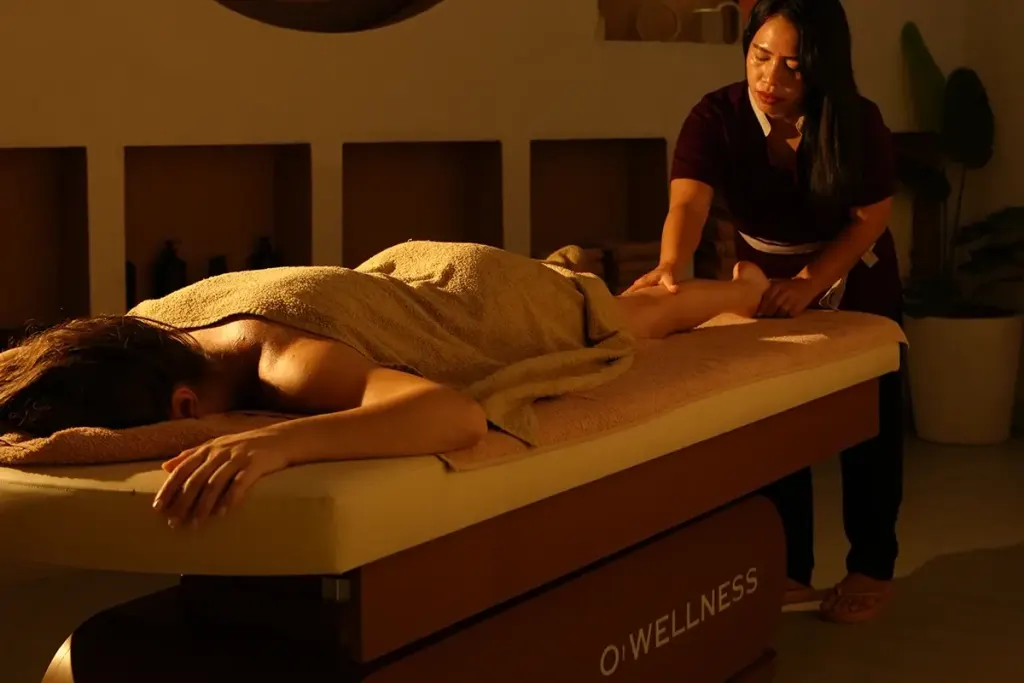
The Effect of Massage on Recovery: Deep Tissue, Sports Massage and More
Sports massage benefits include reduced muscle tension, supported range of motion and general relaxation. We compare deep tissue, sports massage and other types.
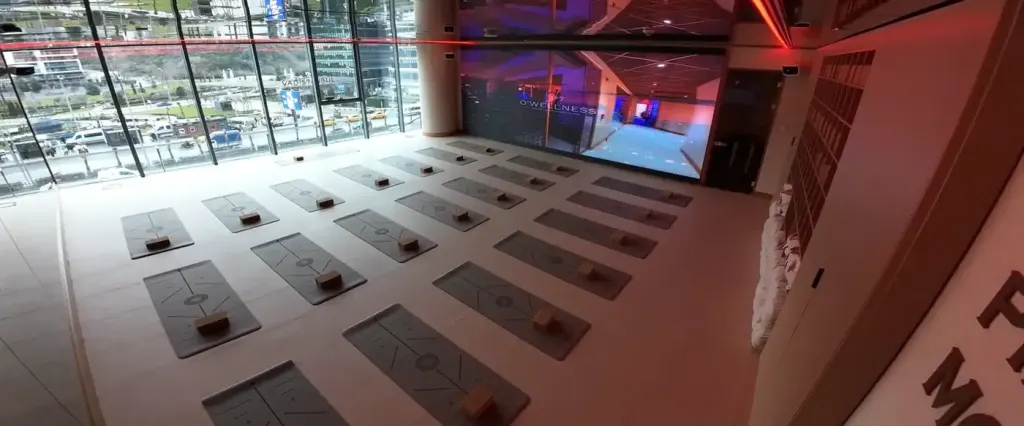
Training on Mentally Exhausted Days: When to Ease Off and When to Carry On
Your body may look ready while your mind is drained. We explain how to recognise mental fatigue and adjust training to keep moving without overload.

Water Quality in Indoor Pools: Chlorine, Hygiene and 9 Details You Should Know
A strong chlorine smell is a sign of organic load, not cleanliness. For regular swimmers in Ankara, we explain 9 practical details for understanding indoor pool water quality.
