
What Does a Sports Physiotherapist Do? Injury Prevention and Rehabilitation
A sports physiotherapist plays an active role in injury prevention, movement analysis and rehabilitation. We explain when to see one, what sessions involve and who they suit.
A sports physiotherapist is a valuable source of support not only for athletes who want to return to the field or gym after an injury, but also for amateurs who train regularly and want to improve their performance without pain. In this article we look at what a sports physiotherapist does, when you should see one and how the rehabilitation process works.
Who is a sports physiotherapist and what do they do?
A sports physiotherapist is a health professional specialised in the movement system, made up of muscles, joints, ligaments and tendons, who assesses and treats injuries in athletes and active people and develops preventive strategies. What sets them apart from a general physiotherapist is additional expertise in sports performance, movement analysis and athlete-specific rehabilitation protocols. Their field is not limited to post-injury treatment; it also includes assessment and programming aimed at preventing injury.
When should you see a sports physiotherapist?
- After an acute injury: In cases such as sprains, muscle strains or tendon inflammation, early assessment can speed up healing.
- Recurring pain: Pain that regularly appears after a particular movement or workout may point to an underlying biomechanical problem.
- Post-operative rehabilitation: After knee, shoulder or back surgery, a structured programme is needed to return to activity safely.
- Performance optimisation: Even without an injury, athletes who want to improve movement quality and reduce injury risk can have a preventive assessment.
- Chronic complaints: For long-standing back, neck or joint problems, an assessment by a sports physiotherapist can be helpful.
What happens in the first assessment session?
| Stage | Content |
|---|---|
| Taking a history | Onset of the complaint, previous injuries, training history, daily activity level |
| Physical examination | Range of motion, muscle strength, balance and posture analysis |
| Functional tests | Observing movement patterns such as squatting, jumping and running |
| Assessment outcome | Summary of findings, possible causes, recommended approach |
| Programme planning | Setting short- and long-term goals and session frequency |
How does the rehabilitation process progress?
Rehabilitation is usually carried out in stages. In the acute phase, methods aimed at controlling pain and swelling are used, including ice and gentle movement where needed. Range of motion is then restored, muscle strength is gradually increased, and in the final stage the return to sport-specific or everyday functional movements is practised. The length of each stage depends on the type of injury and the person's rate of healing; it is not possible to give a fixed timetable.
| Stage | Focus | Approximate duration |
|---|---|---|
| 1. Acute phase | Pain and swelling control, protection | Varies by injury (a few days – a few weeks) |
| 2. Range of motion | Gradual recovery of joint movement | 2-4 weeks |
| 3. Strengthening | Increasing muscle strength and endurance | 4-8 weeks |
| 4. Functional return | Sport- or activity-specific movement patterns | Varies by individual |
This table provides a general framework; the exact duration and content are tailored to you based on your sports physiotherapist's assessment.
The sports physiotherapist's role in injury prevention
A sports physiotherapist is valuable not only in rehabilitation but also in prevention. Imbalances identified through movement analysis, such as one leg being weaker than the other or limited range of motion in a joint, can be addressed early with corrective exercises. A preventive programme combined with regular Reformer Pilates or mobility work can help reduce the risk of recurring injuries.
The difference between a sports physiotherapist and a personal trainer
A personal trainer designs training programmes aimed at general conditioning, strength and performance goals, while a sports physiotherapist focuses on assessment and treatment. After an injury, a common and effective approach is to have a sports physiotherapist assessment first, followed by a programme coordinated with a personal trainer for a safe return to activity. At O'Wellness Beytepe, these two services are offered as complementary parts of our special services.
Common mistakes
- Ignoring pain and continuing to train: Early intervention usually means a shorter, less complicated treatment process.
- Stopping rehabilitation too early: Quitting the programme as soon as the pain goes, before completing it, can increase the risk of re-injury.
- Self-diagnosing through internet searches: Similar symptoms can have different causes; the right approach cannot be determined without professional assessment.
- Skipping the functional return stage: Going back to sport at the previous intensity right after the pain fades can overload tissues that are not yet ready.
When extra caution is needed
Sports physiotherapy is generally suitable for a wide range of people; however, in cases such as suspected fractures, serious trauma, unexplained severe pain or neurological symptoms, an urgent medical assessment is needed first. A sports physiotherapist may refer you to the relevant physician when they consider it necessary; in such cases, medical safety always comes first. If in doubt, consult your physician.
How is progress tracked?
Progress in rehabilitation is tracked through concrete indicators such as reduced pain, increased range of motion, improvements in muscle strength tests and a smooth return to daily or sporting activities. Your sports physiotherapist reassesses these indicators at regular intervals and updates the programme. For your own tracking, keeping a simple diary of pain levels, the day's activity and perceived effort is a useful source of information to share with your therapist.
Equipment and assessment methods
Modern sports physiotherapy assessments may use a goniometer to measure range of motion, manual testing techniques or a dynamometer to test muscle strength, and various functional test protocols for balance and stability. Some centres examine running or jumping patterns with video analysis for a more detailed biomechanical assessment. The method used varies according to the type of complaint and the centre's facilities.
Sample 6-week rehabilitation framework (knee sprain example)
- Weeks 1-2: Swelling control, gentle range-of-motion exercises, pain-free daily activity.
- Weeks 3-4: Gradual strengthening, balance exercises, low-impact cardio such as walking or light cycling.
- Week 5: Functional movements such as directional steps and light jumps, introduction to sport-specific movement patterns.
- Week 6: Assessment for return to full activity, and setting a preventive exercise programme if needed.
This programme is only a general example; the actual duration and content are determined by your sports physiotherapist according to the severity of the injury and your rate of healing.
How it relates to other components of recovery
During rehabilitation, sleep, nutrition and stress management can also affect the speed of healing. Sports physiotherapy should therefore be seen as part of a holistic approach to recovery. On the nutrition side you can get support from our dietitian service.
Sports physiotherapist service at O'Wellness Beytepe
At our club in the Yaka Beytepe complex, the sports physiotherapist service is offered under the same roof as Reformer Pilates, Athletic Performance, Personal Training and group classes. This set-up makes it easier to follow the return to activity after rehabilitation without interruption. Thanks to our proximity to Hacettepe University's Beytepe campus and the Çayyolu, Ümitköy and Bilkent areas, and the complex car park, you can easily fit regular sessions into your work or daily routine.
Common sports injuries and general approaches
| Injury | Common activity | General approach |
|---|---|---|
| Ankle sprain | Running, jumping classes, padel | Early range of motion, balance work, gradual load increase |
| Anterior knee pain | Squats, lunges, treadmill | Muscle balance work around the hip and knee, load management |
| Shoulder impingement | Upper-body weight training, rowing, swimming | Scapular stabilisation, range of motion, gradual loading |
| Low back pain (mechanical) | Heavy lifting, prolonged sitting | Core stabilisation, posture correction, movement training |
| Achilles tendinopathy | Running, classes involving jumps | Gradual eccentric loading, load-rest balance |
This table summarises general trends; every case requires its own assessment, and the information above does not replace diagnosis or treatment.
The importance of a home exercise programme after assessment
As much as the work done in sessions, the exercise programme you do at home between sessions directly affects the speed of recovery. Your sports physiotherapist usually gives you a personalised home programme that gradually increases in difficulty. Considering how little time is spent in sessions overall, consistent adherence to this programme makes up most of the recovery process. Skipping the programme or doing it incorrectly can slow progress; if you are unsure about a movement, be sure to ask at your next session.
A special approach for children and young athletes
In growing athletes, assessment and programme design differ because bones, joints and growth plates have different characteristics from those of adults. Overuse injuries can be more common in this group, so particular attention should be paid to the balance between training load and rest. When a young athlete complains of pain, it is worth having an assessment before dismissing it as growing pains.
Session frequency and duration expectations
The frequency of sports physiotherapy sessions depends on the severity of the injury. In the acute phase 2-3 sessions a week may be recommended; as recovery progresses this drops to once a week, then to check-ups as needed. A session usually lasts 45-60 minutes and may include manual techniques, exercise training and, where necessary, device-assisted work. To set clear expectations about the total duration, it helps to ask your therapist for an estimated timeline at the first assessment. This timeline is not a firm commitment; it may be reviewed and updated during the sessions according to your rate of healing, changes in pain level and progress in functional tests.
Frequently asked questions
When should I see a sports physiotherapist?
Seeking help early after an acute injury, with recurring pain or after surgery usually makes recovery easier. You can also come for a preventive assessment even without an injury.
What is the difference between a sports physiotherapist and an orthopaedic surgeon?
An orthopaedic surgeon is a physician who handles diagnosis, imaging assessment and, when necessary, surgical treatment. A sports physiotherapist carries out movement-based assessment, exercise prescription and the rehabilitation process; the two disciplines usually work together.
How long does rehabilitation take?
Depending on the type and severity of the injury and the person's rate of healing, it can range from a few weeks to a few months. Your sports physiotherapist's assessment is needed for a precise duration.
Is it worth seeing a sports physiotherapist when there is no pain?
Yes. A preventive assessment analyses your movement quality and helps you spot possible risks early; this is especially useful for people who train regularly and intensively.
Where can I get a sports physiotherapist service in Beytepe, Ankara?
O'Wellness Beytepe offers its sports physiotherapist service under the same roof as Reformer Pilates, Athletic Performance and group classes, providing a holistic recovery and return-to-activity process. Contact us for current appointment information.
Contact us to plan your injury prevention or rehabilitation process; let's arrange the assessment session that suits you.
Related posts
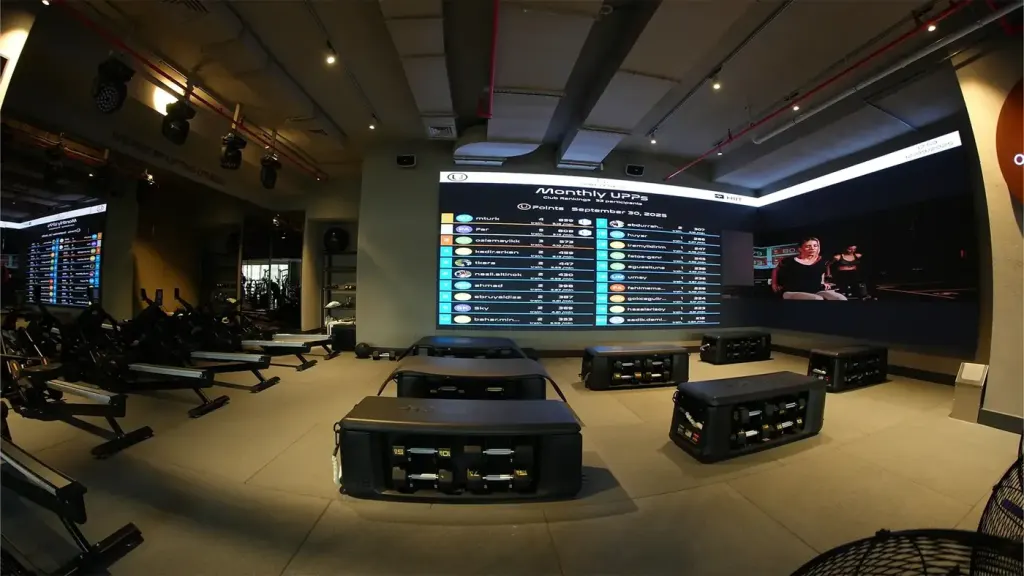
Managing Sleep, Movement and Energy While Writing a Thesis
Writing a thesis is a months-long endurance task. How do you keep your energy balanced with sleep, short movement breaks and regular training?
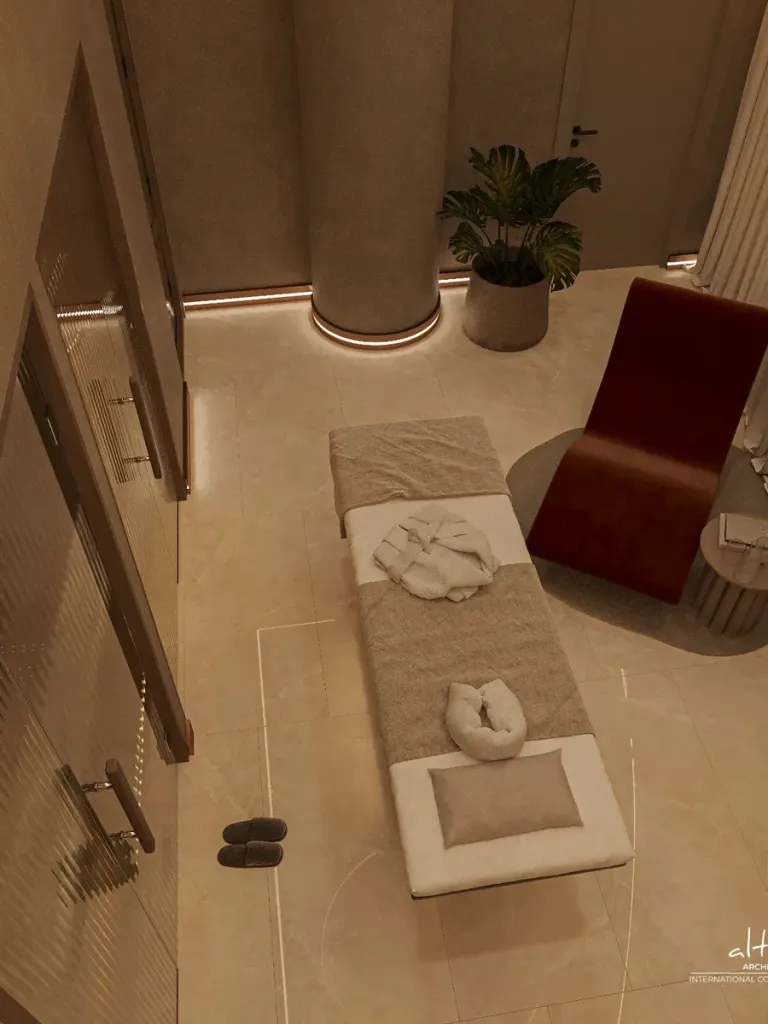
The First 2 Hours After Training: Cool-Down, Fluids, Meal and Relaxation
Recovery starts when training ends. We build an evidence-based routine by dividing the first two hours into five simple steps.
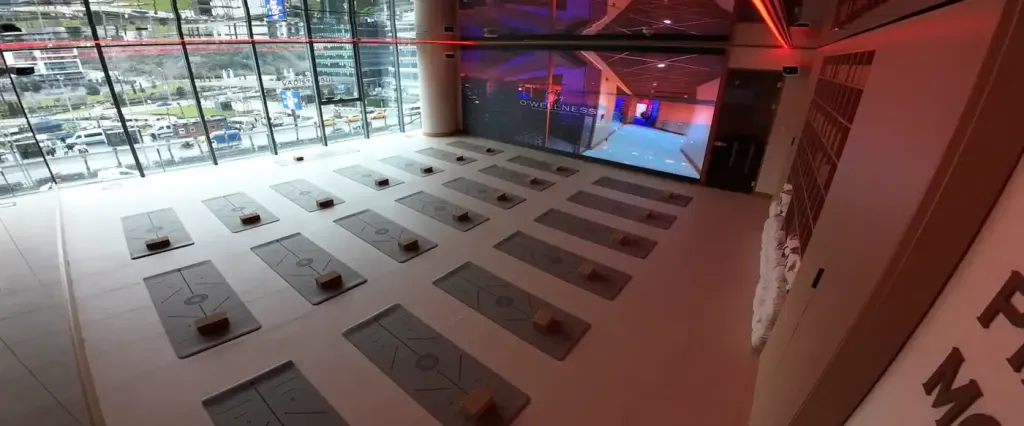
A 15-Minute Pre-Sleep Wind-Down Routine: Calming the Night After Training
Falling asleep can be hard after an evening workout or a busy day. How can a fifteen-minute routine of breath, light mobility and a screen break change your night?
