
Cold Exposure and Contrast Showers: What the Evidence Says
Do cold and contrast showers really aid recovery? We cover how the methods differ, how to do them, the risks and realistic expectations.
Cold-water recovery after training has become one of the methods most often promoted on social media. To paint a realistic picture of the benefits of cold showers, you need to know both their potential contribution and their limits. In this article we explain how cold exposure and contrast showers work, who they suit and how to try them safely.
How does cold exposure work?
Contact with cold water causes blood vessels in the skin and superficial tissues to narrow, a response called vasoconstriction. This response is reported to temporarily reduce perceived muscle soreness and swelling. Cold is also often said to stimulate the nervous system and create a sense of mental alertness. These effects vary between individuals and may not appear to the same extent in every athlete; cold exposure is a supporting tool, not the sole determinant of recovery.
Cold shower, ice bath and contrast shower: the differences
| Method | How to do it | General purpose |
|---|---|---|
| Cold shower | Switching a normal shower to cold for 1–3 minutes | Easy daily mental refresh |
| Ice bath | Immersing the whole body or legs in iced water at about 10–15°C for a few minutes | Intensive recovery after hard training or competition |
| Contrast shower | Alternating hot and cold water at set intervals | Supporting circulation, general relaxation |
How to take a contrast shower
- Warm-up: start with water at a comfortable warm temperature for 2–3 minutes.
- Cold phase: switch to cold for 20–30 seconds and try to keep your breathing controlled.
- Repeat: go through the hot-cold cycle 3–4 times.
- Finish: ending on a cold phase is common, but this is entirely a personal choice.
In your first attempts, keep the cold phase short and pay attention to how your body responds.
Potential benefits of cold exposure
- A temporary reduction in perceived post-exercise muscle soreness (DOMS) has been reported.
- It can create a sense of mental alertness and freshness.
- In some people it is reported to increase stress tolerance, with regular exposure reducing perceived discomfort from cold over time.
- Contrast showers are thought to support circulation through hot-cold transitions.
These benefits are based on general observations and limited scientific literature; individual results may differ and exaggerated claims should be avoided.
When should you avoid it?
- People with cardiovascular conditions, particularly uncontrolled high blood pressure or heart rhythm disorders, should get medical approval before cold exposure.
- Cold exposure should be avoided with circulatory disorders involving extreme cold sensitivity, such as Raynaud's syndrome.
- If an acute muscle tear or serious injury is suspected, a medical assessment should come before cold exposure.
- Those with extreme cold sensitivity, skin conditions or a history of allergic reactions should proceed with caution.
If you are unsure about anything, it is important to consult your doctor before starting cold exposure.
Common mistakes
- Staying in cold water too long: excessive exposure can pose risks to skin and circulation rather than bring benefits; short, controlled durations are enough.
- Starting suddenly without preparation: jumping into iced water for a long time on the first try instead of adapting gradually can turn into an unpleasant experience.
- Neglecting breath control: sudden contact with cold water can cause rapid, shallow breathing; slow, controlled breathing makes it easier.
- Regular ice baths straight after strength training: some research suggests regular cold exposure right after strength and hypertrophy training may somewhat affect muscle adaptation; there is no firm consensus, so timing should be considered according to your goal.
Who it is not suitable for and who should be careful
For clear guidance on the safety of cold exposure during pregnancy, we recommend consulting your obstetrician. People with chronic illnesses, those on regular medication or anyone with circulation problems should also seek medical advice before starting. Because cold tolerance can differ in children and older adults, shorter durations and close supervision are recommended for these groups.
Gradual adaptation programme (4 weeks)
| Week | How to do it |
|---|---|
| Week 1 | 15–20 seconds of lukewarm-cool water at the end of the shower |
| Week 2 | 30 seconds of cold water at the end of the shower |
| Week 3 | Contrast shower: 2 hot-cold cycles |
| Week 4 | Contrast shower: 3–4 cycles, extending the cold phase to 30–45 seconds |
You can slow this programme down to suit your tolerance or stop at any stage; there is no need to push yourself.
How do you track progress?
To find out whether cold exposure works for you, you can observe your post-training muscle soreness, your general energy and how your cold tolerance changes over time. If you feel no positive effect or experience discomfort, you do not have to add this method to your routine; recovery strategies vary from person to person.
Combining with other recovery methods
Cold exposure should be seen as part of a broader routine rather than a recovery strategy on its own. After an intense O'Hiit or O'Ride Cycle session, a short contrast shower followed by light stretching and adequate hydration can form a comprehensive recovery approach.
Equipment and practical tips
No special equipment is needed for a contrast shower at home; a standard shower is enough. Those wanting to try an ice bath can use a large bathtub or a dedicated cold plunge tub; keeping a thermometer to measure water temperature helps avoid water that is too cold. Drying off and keeping warm afterwards helps offset sudden heat loss.
A balanced view of the strength of the evidence
Research on cold exposure has generally been carried out with small groups of participants, and results have varied between athletes. Some studies report a short-term reduction in perceived muscle soreness, while others find no meaningful difference. It is therefore more realistic to see cold exposure as a low-risk option that may help some people rather than a method that definitely works. Your personal experience may differ from the average findings in the literature, and that is perfectly normal.
Common myths about cold exposure
- The colder and longer, the better: extremely low temperatures and long durations can raise the risk of tissue damage rather than increase the benefit.
- The same duration suits everyone: cold tolerance varies widely; a duration that suits someone else may be too much for you.
- Cold exposure heals all injuries: it can relieve symptoms but does not treat the underlying cause of an injury; a serious injury always needs assessment.
Fitting cold exposure into your training programme
When you use cold exposure depends on your training goal. Those aiming for endurance or general fitness may prefer to unwind with a short cold or contrast shower after intense sessions. Those aiming for muscle mass and strength gains can postpone cold exposure until a few hours after training to protect the adaptation process from possible effects. For competitive athletes, the frequency and timing of cold exposure in the pre-competition period should be planned with the coach.
Mental benefits and building the habit
Beyond the physical effects, regularly taking on a challenging but controlled experience may strengthen general stress tolerance and a sense of self-discipline in some people. Although this psychological dimension is hard to measure, it is a benefit reported by many regular practitioners. Still, it is a personal experience and may not apply equally to everyone; the best approach is to try it and observe your own response.
Seasonal changes and practical application
During Ankara's cold, dry winter months, cold or contrast showers may feel harder for some people, while in summer they may be easier to adopt. Whatever the season, making sure the bathroom is not too cold and drying off quickly and moving to a warm space afterwards reduces the risk of getting chilled. Staying in a cold environment in wet clothes for a long time after training can have unwanted effects, so drying off and dressing quickly after the practice is recommended.
Choosing a method by personal preference
In the end, there is no single best method among cold showers, ice baths and contrast showers; you need to find out by experimenting which suits your routine, tolerance and goals. Starting with small steps, monitoring your body's response and consulting a health professional when needed is the most practical way to add this method to your routine safely and sustainably. Talking it through with our coaches or sports physiotherapist can help you identify the approach best suited to your goals and health, avoid unnecessary risks and plan your recovery routine holistically and sustainably alongside other methods such as stretching, sleep, nutrition and rest days.
Frequently asked questions
Can I take a cold shower every day?
For most healthy adults, a short daily cold shower of 1–3 minutes is generally considered safe. If you have a chronic condition or are unsure, consult your doctor.
Is a contrast shower or a plain cold shower more effective?
They can serve different purposes; contrast showers focus more on supporting circulation and plain cold showers on mental refreshment. You can find out which suits you by trying both.
Does cold exposure hinder muscle growth?
Some studies suggest frequent cold exposure right after strength and hypertrophy training may somewhat affect adaptation; there is no full consensus in the literature. If strength is your goal, you can leave cold exposure until a few hours after training.
What should first-timers watch out for?
It is important to start with short durations such as 15–20 seconds, keep your breathing controlled and consult your doctor first if you have a heart condition. Stop immediately if you experience symptoms such as dizziness or chest pain.
How can I try hot-cold transitions?
A contrast shower can be tried at home too, by alternating warm and cool water after training; start gradually and consult your doctor if needed given your health. Please note that our club does not have a pool.
To add methods such as cold exposure to your recovery routine, fill in the contact form and let us build a suitable programme together in Beytepe.
Related posts
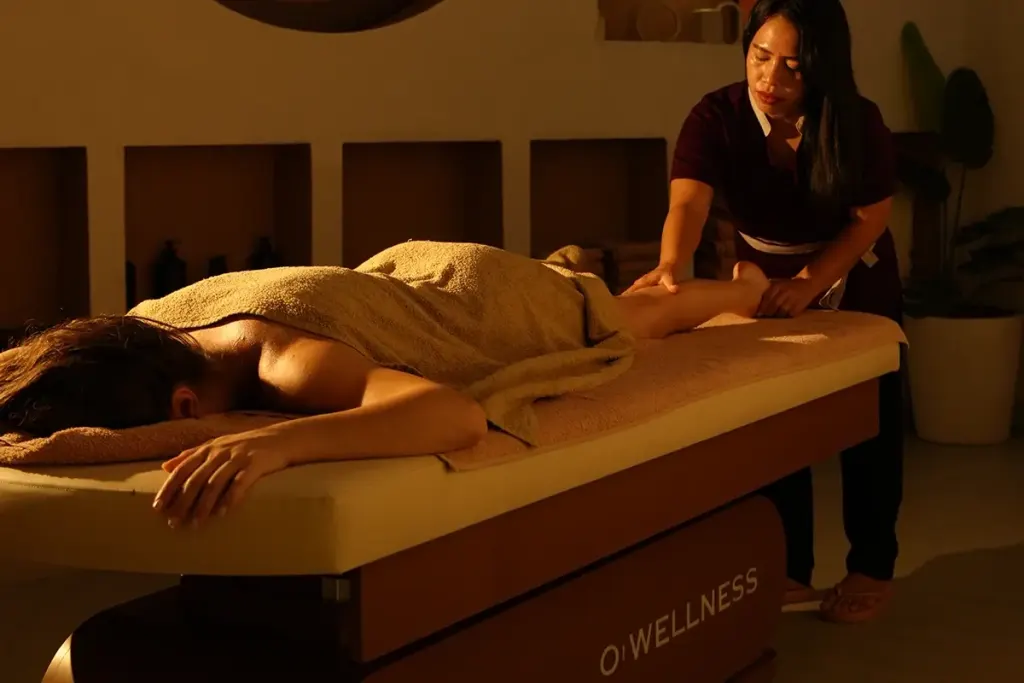
Muscle Soreness (DOMS): Causes and Relief
The answer to how muscle soreness goes away lies in the right recovery methods. We explain the causes of DOMS, how long it lasts and how to ease it, step by step.
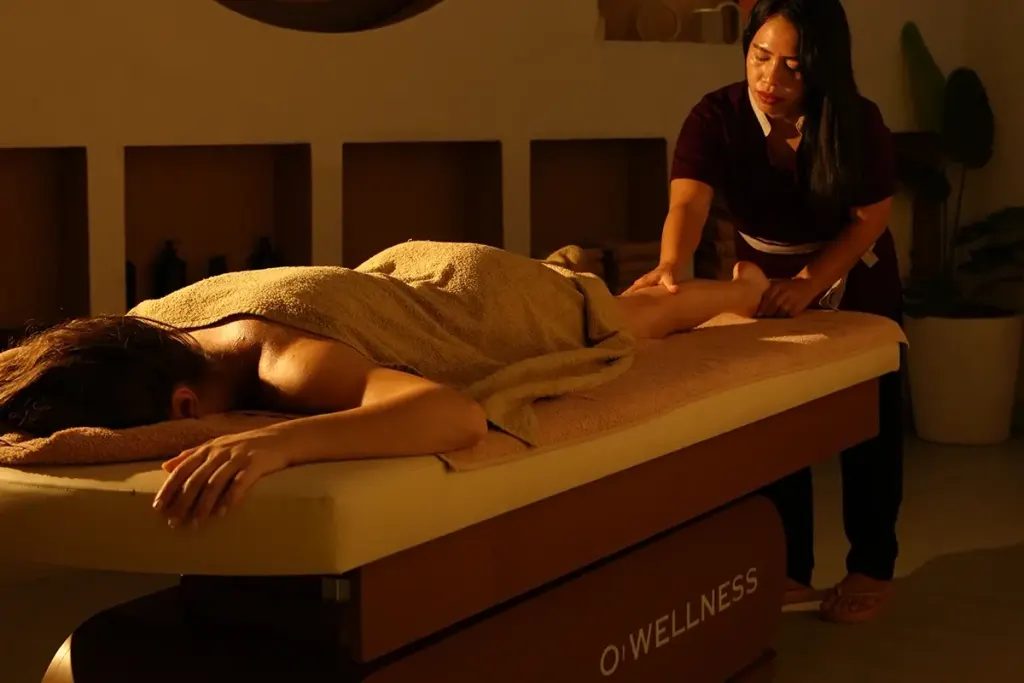
Training and Recovery: A Weekly Wellness Plan
Combining training with mobility, stretching, sleep and nutrition in a planned way protects performance and speeds recovery. A sample weekly plan for Beytepe and common mistakes.
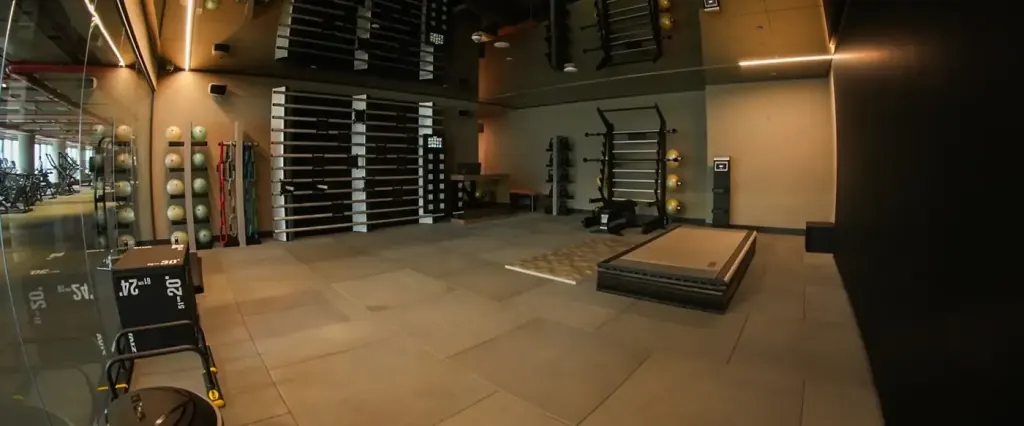
Measuring Recovery with Heart Rate Variability (HRV)
What is HRV and how is it used to measure recovery? The physiology of heart rate variability, measurement methods and how to use it in your training.
