
Mobility & Stretching Class: The Balancer of a Heavy Training Week
A Mobility & Stretching class works joint range and muscle flexibility in a controlled way. We explain the flow, the differences and weekly placement.
In a busy training week the thing most often neglected is the quality of movement. Strength, HIIT and cycle classes strengthen muscles and build endurance, but they can also accumulate stiffness in the hips, shoulders and spine. This is where a Mobility & Stretching class comes in. Offered in the O'Soul studio at O'Wellness Beytepe, this format works on joint range of motion and muscle flexibility through a manageable, safe flow. In this article we cover the class content, when to add it to your program and what to watch out for.
What is a Mobility & Stretching class?
Mobility & Stretching is a class that aims to increase range of motion and reduce muscle tension. Mobility refers to the range of motion a joint can control; flexibility refers to the capacity of a muscle to lengthen. The class works on both: it opens the joints with dynamic movements and lengthens the muscles with controlled long holds. You may also check our article that explains the difference between mobility and flexibility in detail.
The pace of the class is slow, but that does not mean it is easy. Working within a controlled range requires patience, breath rhythm and body awareness. In their first class most participants discover tight areas they had never noticed.
The typical flow of a class
The class usually begins with breath and a light warm-up. Mobility movements for key areas such as the spine, hips, shoulders and ankles follow. The middle section may include myofascial release with foam rollers or small balls; see our article on foam roller use for this. The class ends with long-hold stretches and breath work.
- Breath and spine awakening
- Joint mobility: hips, shoulders, ankles
- Targeted release (foam roller or ball)
- Dynamic stretching
- Long-hold static stretching
- Closing breath and relaxation
The difference between mobility, stretching and yoga
The three formats look similar but their focus differs. Yoga is built on postures, breath and mental focus. Mobility & Stretching is a more training-like class that directly targets joint range of motion and muscle length. The table below roughly summarizes the difference.
| Format | Main focus | Tempo | When is it suitable? |
|---|---|---|---|
| Mobility & Stretching | Joint range and muscle length | Slow, controlled | Balancing a heavy training week |
| Balanced Yoga | Posture, strength and balance | Intermediate | For body-and-mind balance |
| Deep Stretch Yoga | Long holds, connective tissue | Very slow | For evening unwinding |
| Vinyasa Yoga | Breath-linked flowing movement | Flowing | For those who want a dynamic yoga |
Who can benefit?
People who work at a desk for long hours may experience tightness in the hip flexors, chest and upper back. Strength trainers need mobility for squat depth and overhead movements. Runners and cycle participants may benefit from managing hip and hamstring tension. In short, this class is not for a specific audience but for anyone who cares about movement quality.
People with joint hypermobility or recent injuries should consult their physician or physiotherapist before starting. For these people, improving stability rather than increasing flexibility may be the priority.
Participants at beginner level may feel limited in some movements in the first weeks; this is entirely normal. Instructors usually suggest supported versions of each movement, such as blocks, straps or wall support. These aids do not make you look weak; on the contrary, they help you reach the right position more comfortably.
How to add it to your training week
The most practical approach is to place the mobility class between heavy days. For example, a mobility class the day after a heavy lower-body strength day, or after two back-to-back fast-paced classes, can support recovery. One class a week is enough as a start for most people; it can be raised to two as needed.
Doing long static stretching right before a high-intensity class, on the other hand, may temporarily reduce performance. For this reason prefer dynamic movements in the warm-up and leave long holds for after training. We detailed this distinction in our article on dynamic and static stretching.
Area by area: the most commonly worked regions
The hip area is where the most time is spent in these classes, because hip mobility is decisive in sitting, running and movements such as squats. Lengthening the hip flexors, deep hip rotations and hip circles are the main movements of this section. With regular practice most people notice they move more comfortably when climbing stairs and bending.
The shoulders and upper back (thoracic spine) are the second key area. A forward-leaning posture in front of a screen shortens the chest muscles and stiffens the upper back. Shoulder blade movements, opening and rotation work target this region. Ankle mobility is a critical piece especially for those who want to squat deep.
In each region the aim is not to create a change in one go but to make new ranges of motion 'usable' for the body. A range should not be something merely reached passively but something you can control; the dynamic parts of the class exist for this.
How to track mobility progress
Mobility progress is not as easy to measure as strength, but it can be noticed with simple tests. You can set your own reference points, such as the wall ankle test (how far the knee can travel past the toes), a sit-and-reach, or how deep you can squat without the heels lifting. Repeating the same test every four to six weeks lets you see progress concretely.
More important than measurements is how things feel in daily life: less stiffness on waking, a more comfortable back after long meetings, cleaner movement in training. Noting these signs is the most natural way to understand what the class adds for you.
Tips to make the most of the class
- Go only to a mild feeling of tension, not pain
- Do not hold your breath; exhale as you lengthen
- Avoid bouncing or jerking movements
- Work both sides for equal time
- Drink water after class and give yourself a few minutes
In stretching, 'more is better' is not true. Forced stretching can make the muscle tighten further through its protective reflex. Working patiently and regularly gives more lasting results than going to the extreme in one go.
Finally, do not see mobility work as a punishment or an obligation. The slow flow of the class also offers a mental break in the middle of a busy week. Putting your phone aside and focusing on your body is what many participants value most in class. In this way you build both a physical and a mental balance.
Participants who practice regularly often feel a difference in training performance too: squat depth increases, overhead movements become more comfortable and next-day muscle stiffness is easier to manage. These effects vary individually, but investing in movement quality is a sensible choice for almost any program.
Recovery after class
After a mobility class the body usually feels loosened and calmed. This is a good time to focus on recovery. A few minutes of calm breathing after class, plenty of water and good sleep can complete the relaxing feeling. If you have cardiovascular conditions, consult your physician before exercising.
Breath is the most powerful tool of mobility work. A slow exhale during lengthening helps the nervous system relax and lets the muscle lengthen a little more comfortably. Prepare as you inhale, and ease gently into the depth of the movement as you exhale. Progressing by letting go rather than forcing is the basic logic of this class.
Short micro-breaks outside class also help. One or two minutes of shoulder and hip movement every hour during the workday helps you hold on to the range you gain in class. Our neck and shoulder routine article prepared for office workers gives practical ideas on this.
Post-class nutrition and fluid intake also support recovery. A light meal and enough water help balance your energy through the day, especially after a morning class. For evening classes, avoiding heavy meals before bed may contribute to your sleep.
Do I need to be flexible for a Mobility & Stretching class?
No. The class exists precisely to improve flexibility. Movements can be adapted to your level.
How many times a week should I do it?
One class a week is enough to start. You can raise it to two depending on need and recovery.
Is it normal to feel pain during the class?
Mild tension is normal; sharp pain is not. If you feel pain, stop the movement and tell the instructor.
Should I do it before or after training?
As a separate class it is ideal placed between heavy days. Before training prefer dynamic movements over long static stretches.
When does the club open?
Very soon; no exact date has been shared yet. Founding membership pre-registration is being accepted.
The Mobility & Stretching class is the invisible balancer of a strong program. Investing in movement quality makes both your training and your daily life more comfortable. You can contact us for details and founding membership pre-registration.
Related posts

The 90 Minutes Before Group Class: Food, Water, Warm-Up and Mental Preparation
Class quality is set before you enter the studio. A practical routine for meal timing, hydration, clothing and warm-up.
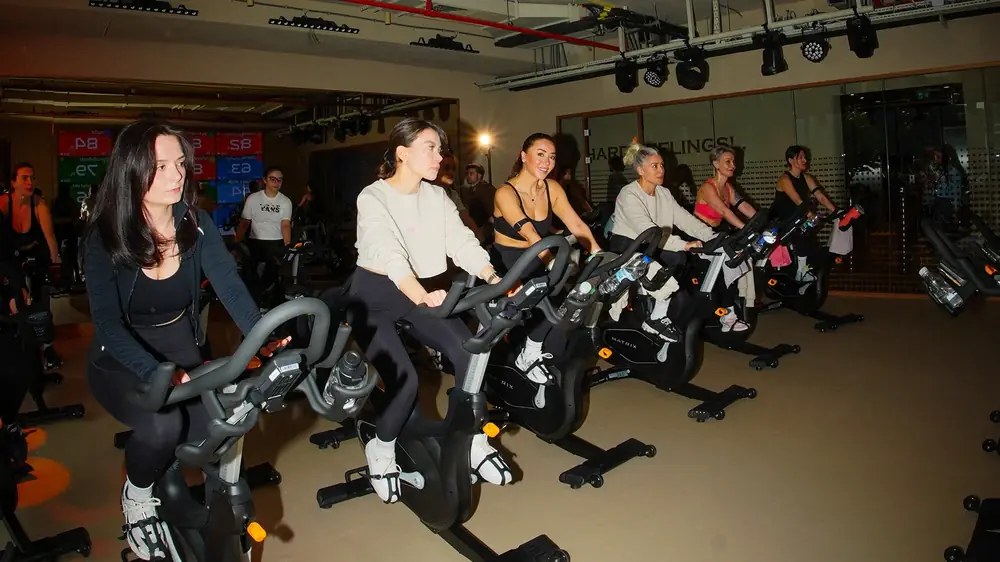
What Is Indoor Cycling (Spinning)? What Happens in O’Ride Classes?
What is indoor cycling, how does an O'Ride class unfold and who is it for? Get to know the cycle classes in the O'Rise studio at O'Wellness Beytepe.

What Is HIIT and How Does It Work? The EPOC Effect and Weekly Frequency
What is HIIT, is the EPOC effect real and how many sessions a week are enough? We explain how O'Hiit classes in Ankara Beytepe are structured and what to watch out for.
