
What Is HIIT and How Does It Work? The EPOC Effect and Weekly Frequency
What is HIIT, is the EPOC effect real and how many sessions a week are enough? We explain how O'Hiit classes in Ankara Beytepe are structured and what to watch out for.
Defining HIIT: the rhythm of work and rest
The shortest answer to the question of what HIIT is: an interval training method in which short, very intense bursts of effort alternate with periods of light activity or complete rest. Named after the initials of "High Intensity Interval Training", HIIT differs from classic steady-state cardio; it repeatedly leaves the body out of breath and then forces it to recover. At O'Wellness Beytepe this method is delivered through the O'Hiit class, one of the signature classes in the O'Rise studio.
The secret of its popularity: using time efficiently
HIIT's most striking feature is that it creates a strong stimulus in a short time. Studies report that a 30-45 minute session with intermittent near-maximal effort can provide a cardiovascular stimulus close to that of a much longer steady-paced workout. For someone with a busy workday who commutes from Çayyolu or Ümitköy and cannot spend hours at the gym, this is a very practical advantage.
What is the EPOC effect, and is the afterburn real?
EPOC (Excess Post-exercise Oxygen Consumption) refers to the extra oxygen the body uses after exercise. After an intense session the body keeps burning more energy than usual for a while in order to repay its oxygen debt, bring down an elevated body temperature and start repairing muscle. It is a well-described phenomenon in the physiology literature, and the effect is generally accepted to grow as intensity rises. Still, it is worth staying measured: EPOC does not replace the energy burned during the workout; it only adds a small extra contribution. Rather than saying "I did HIIT, so I burn fat all day", it is far more accurate to say "some additional energy is used after the session".
Factors that determine EPOC
- Intensity: the closer the work intervals are to maximum, the more pronounced the effect.
- Muscle mass involved: multi-joint movements that use large muscle groups, such as squats, rows and jumps, contribute more.
- Session duration and total workload.
- The person's training history and current fitness level.
How an O'Hiit class is built
A typical O'Hiit session has three phases: a dynamic warm-up, the main interval block, and a cool-down with stretching. The main block usually rotates through stations built on 20-40 seconds of high-intensity work and 10-20 seconds of rest, using functional movements such as jumps, squats, plank variations and battle ropes. Tabata, which rests on a similar principle, follows a much stricter time protocol; O'Hiit stands apart through its movement variety and number of stations.
| Format | Work interval | Rest | Focus |
|---|---|---|---|
| O'Hiit | 20-40 sec | 10-20 sec | General conditioning, functional movement |
| Tabata | 20 sec | 10 sec | Maximal effort, fixed protocol |
| Bench Burn | Variable | Short | Strength and cardio on a bench |
| Cardio Kickbox | Variable | Short | Combat-inspired cardio |
Who HIIT suits and who it does not
HIIT is a very efficient option for people who already have a fitness base and no joint problems. Beginners, rather than jumping straight into HIIT, significantly lower their injury risk by first building basic strength and movement quality in more controlled classes such as Total Body or Mat Pilates. If you have a history of cardiovascular disease, high blood pressure, a joint replacement or are pregnant, always consult your doctor before starting HIIT. On days when you are overly tired, short on sleep or recovering from an injury, it is wiser to avoid high intensity and prioritise recovery.
How many HIIT sessions per week
The widely accepted recommendation is two to three HIIT sessions a week, with at least one day of rest or low-intensity movement between them. Training at high intensity on consecutive days shortens the time muscles need for repair, which can lead to a drop in performance or even injury. Placing recovery-focused classes such as Deep Stretch Yoga or Mobility & Stretching in the O'Soul studio between HIIT days eases muscle soreness and helps you start the next session fresher.
HIIT and muscle: more than fat burning
Although HIIT is usually associated with fat burning, a well-designed session also contributes to muscular endurance and, to a degree, strength. Bodyweight compound movements such as squats, lunges and push-ups work the cardiovascular and musculoskeletal systems at the same time. But if the goal is specifically muscle mass and maximal strength, HIIT alone does not provide enough stimulus; adding strength-focused classes such as Total Body or one-to-one personal training to the weekly plan is far more effective. Positioning HIIT as a complement to strength work produces a balanced result between conditioning and muscle development.
Home HIIT versus studio HIIT
There are countless free HIIT videos online, yet training with an instructor in a group class has distinct advantages. The instructor corrects your form on the spot, prevents technique from breaking down as fatigue builds, and suggests alternative movements suited to your level. The social motivation of a group setting also greatly increases adherence compared with training alone in front of a screen. Equipment variety is another difference: unlike the movements you can do at home with limited gear, a studio allows a much richer session with kettlebells, battle ropes, plyo boxes and sleds.
Fitting HIIT into your weekly plan
For someone who wants to improve fitness and manage body fat, a sample week could look like this: Monday O'Hiit, Tuesday Deep Stretch Yoga for recovery, Wednesday strength with Total Body, Thursday a second O'Hiit or Tabata, Friday Mobility & Stretching, and at the weekend a light O'Ride Cycle class or full rest, as you prefer. This layout protects performance and lowers injury risk by leaving enough recovery between intense days.
Thinking about nutrition and recovery together
The most effective way to get more out of HIIT is adequate post-workout protein and good-quality sleep. Most post-exercise muscle repair happens during sleep, so people who do HIIT regularly are advised to pay special attention to their sleep routine. If you would like a personalised nutrition plan, you can get support from the dietitian service at O'Wellness Beytepe.
An O'Hiit class minute by minute
The general flow of a 30-45 minute session is shown below; the number of stations and choice of movements may vary by instructor, but the time split stays largely the same.
| Minutes | Section | Content |
|---|---|---|
| 0-5 | Dynamic warm-up | Joint mobility, light cardio, gradual rise in heart rate |
| 5-10 | Preparation block | Movement patterns introduced at low intensity (squat, plank, jump technique) |
| 10-30 | Main interval block | 20-40 sec work / 10-20 sec rest, rotating between stations |
| 30-35 | Finisher | Short, intense closing block (usually a full-body movement) |
| 35-45 | Cool-down and stretching | Heart rate returns to normal, static stretching for major muscle groups |
Level variations: beginner, intermediate, advanced
Beginner
Beginners are advised to choose the low-intensity version of the movement shown at each station: a no-jump version instead of a jumping one, a kneeling plank instead of a full plank. During work intervals 60-70 percent intensity is enough rather than full effort; the real priority is learning the movement correctly.
Intermediate level
Once the movement patterns are established, the goal is to raise intensity in the work intervals, keep rest to the time set by the instructor, and complete every station in its standard version.
Advanced level
Experienced participants can opt for jumping and explosive variations in the work intervals (plyometric squats, burpees, tuck jumps); because total workload and intensity are higher, the EPOC effect is also expected to be more pronounced at this level. For those looking for a stricter time protocol, Tabata is a good advanced alternative.
The most common mistakes
- Skipping the warm-up: going straight into high intensity with cold muscles raises the risk of muscle and ligament injury.
- Putting effort ahead of technique: squat or plank form that breaks down with fatigue places unnecessary load on the lower back and knees; form comes before speed.
- Trying to stay at maximum at every station: the essence of HIIT is fluctuation; staying at the ceiling leads to early exhaustion and a drop at later stations.
- Extending rest: the effect of the protocol largely depends on sticking to the set rest time; lengthening it on your own weakens the intended cardiovascular stimulus.
- High intensity on consecutive days: it shortens muscle repair time and increases the risk of performance loss and injury.
Who it is not suitable for
The high-intensity nature of HIIT calls for extra care in some situations. Uncontrolled high blood pressure, a recent cardiovascular event, a serious joint or lower-back condition, late pregnancy and recovery from an acute injury are chief among them; people in these situations must consult their doctor before starting the class. If you are tired, short on sleep or going through a stressful period, choosing a more controlled session such as Mat Pilates instead of a high-intensity HIIT that day is a healthier way to put recovery first.
How to track progress
There are several practical ways to track progress in HIIT: completing more reps in the same work interval, a faster drop in heart rate during rest, meaning quicker recovery, and less fatigue after the same session over time. These signs reliably show fitness gains without the need for any measuring device. People who attend regularly usually notice within a few weeks that they move much more comfortably at the same stations.
Studio and equipment
At O'Wellness Beytepe, O'Hiit classes take place in the O'Rise studio and are supported by the equipment in the functional area, chiefly kettlebells, battle ropes, plyo boxes, TRX, resistance bands, sleds and free weights. Thanks to the station layout, different participants can perform different movements at the same time.
The O'Hiit experience at O'Wellness Beytepe
O'Wellness Beytepe is located in the Yaka Beytepe complex in Çankaya, just a few minutes from Hacettepe University's Beytepe campus and the Çayyolu–Ümitköy corridor. You can follow O'Hiit class days and times on the weekly schedule page. If you want to compare formats from a wider perspective, take a look at the group classes page, and support your conditioning goals with the Athletic Performance service.
Adapting to age and fitness
HIIT is not a format reserved for a particular age group; what matters is the person's current fitness and joint health. For middle-aged and older participants, swapping jumping movements for no-jump alternatives, shortening work intervals slightly and lengthening rest slightly reduce joint load while keeping the same training logic. For young and active participants, adding stations or lengthening the finisher is an effective way to strengthen the stimulus. In every case, taking the body's signals seriously, such as excessive breathlessness, chest pain or unusual dizziness, and stopping to inform the instructor if needed, comes first.
The mental effect: why it keeps you coming back
The energy and satisfaction felt after HIIT are among the main reasons many regular participants become attached to the format. The sense of achievement after a short, demanding effort, combined with group dynamics, turns into a cycle that fuels motivation. The instructor's countdown, music that matches the tempo and the people beside you battling the same challenge create a sense of belonging that is hard to find when training alone. This psychological factor is as important as the physical benefits for long-term consistency and often decides whether people keep training.
Preparing for your first O'Hiit class
- Eat a light meal at least an hour before class; maximal effort on an empty stomach can cause dizziness.
- In your first classes, choose the lower-intensity version of the movement shown at each station.
- Try to control your breathing; holding your breath raises blood pressure unnecessarily.
- Increase your water intake before and after class.
- Muscle soreness after class is normal; if you feel joint pain, tell the instructor.
Services that complement HIIT in Beytepe
For those who want the most out of HIIT, using complementary services is a sensible step; it builds a holistic approach to training that goes beyond a single class. If you have a joint sensitivity, the sports physiotherapist can assess your movement patterns and suggest safe variations. Dietitian support helps you build a nutrition plan that matches your training intensity. After an intense HIIT week, you can use the Mobility & Stretching class and enough sleep for active recovery. Planned together with group classes, all of these services become a holistic experience.
Frequently asked questions
What is the difference between HIIT and regular cardio?
In HIIT, work and rest periods alternate and intensity approaches maximum during work; in steady-state cardio, intensity stays moderate and constant from start to finish.
How long does the EPOC effect last?
It depends on workout intensity and the person's fitness; it is generally accepted to appear in the hours after the session and gradually fade, so giving an exact duration would not be accurate.
Can a beginner join an O'Hiit class straight away?
Yes, but you are advised to ask the instructor for low-intensity alternatives and use your first few classes to get used to the pace.
When are O'Hiit classes held at O'Wellness Beytepe?
Current days and times are on the weekly schedule page; the club is open 06:00-23:00 on weekdays and 08:00-23:00 at weekends.
I have a cardiovascular condition; can I do HIIT?
Because HIIT is a high-intensity format, you must consult your doctor before starting if you have a history of cardiovascular disease.
Get in touch with us to try O'Hiit with a free trial session and facility tour.
Related posts
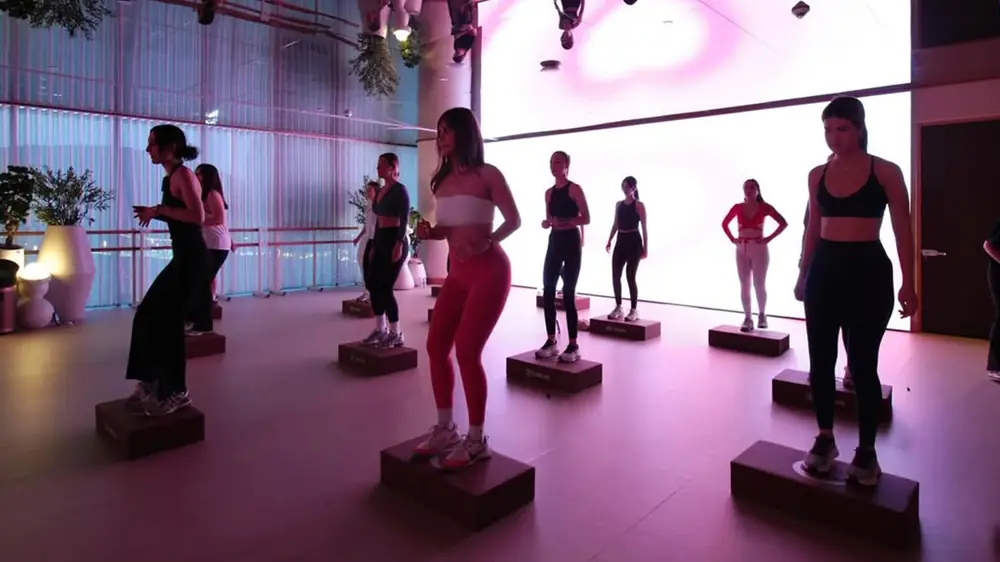
Dance-Style Classes and Coordination: The Brain-Body Connection
Classes built on rhythm and step patterns improve coordination, balance and focus. Here is which classes at Beytepe deliver this benefit and what to watch out for.
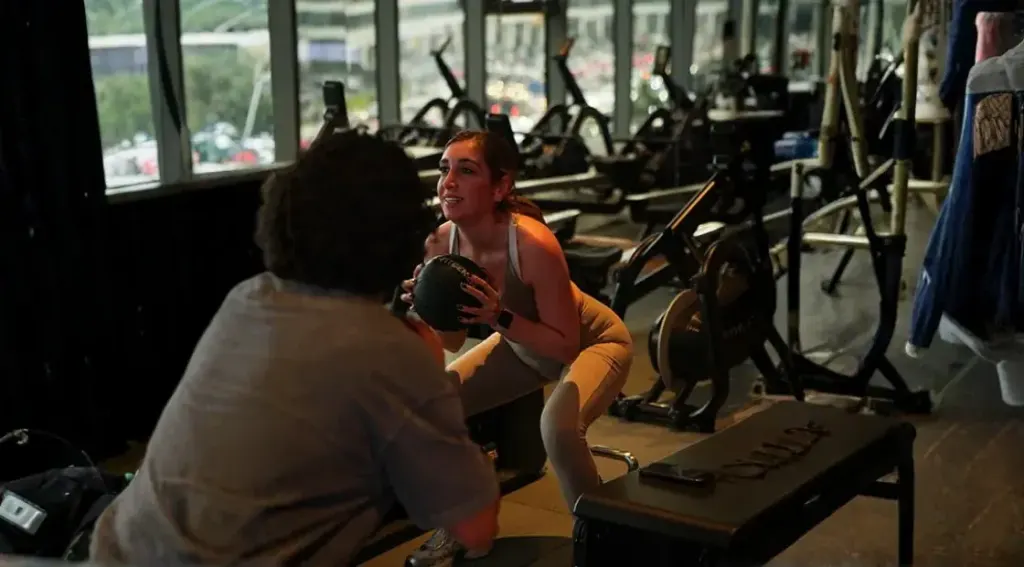
Group class or personal training? A comparison by goal and budget
Choosing between group classes and PT depends on your goals, budget and motivation style. We look at both approaches at O'Wellness Beytepe in terms of cost, flexibility and results.
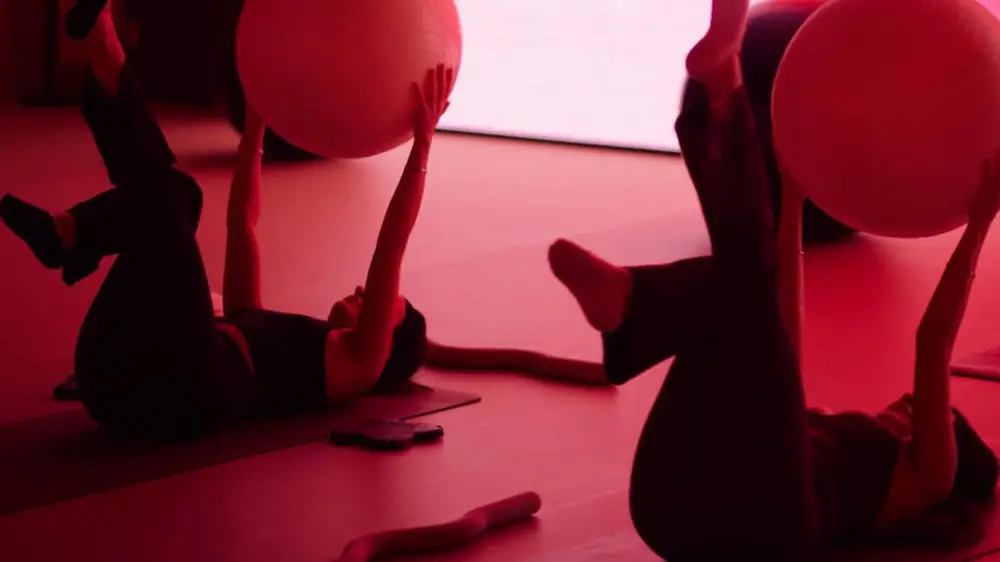
The 5 Best Group Classes for Beginners
Choosing a group class as a beginner should follow a gradual approach that puts movement quality first. We look at the 5 best classes to start with at O'Wellness Beytepe.
