
Strength Training for Women: There Is No Reason to Fear Building Muscle
Lifting weights does not make women bulky; it builds a firm physique, strong bones and a faster metabolism. A guide from Ankara Beytepe covering hormones, a sample program and notes for every life stage.
"If I lift weights I will look bulky" is the most common worry that keeps women away from strength training, yet it has no basis in physiology. For women, weight training does not inflate the muscles; it delivers a firm, toned look, stronger bones and a faster metabolism. In this article we explain why the fear of building muscle is unfounded, how hormones affect training and a practical strength program you can follow in Ankara Beytepe.
Why is the fear of building muscle unfounded?
Muscle growth, or hypertrophy, depends heavily on testosterone, and women's testosterone levels are roughly one tenth of men's. That is why women who lift heavy do not experience the kind of noticeable size gains seen in men; instead the muscles firm up, tone improves and functional strength develops. "Accidentally getting bulky" is a deliberate goal that takes months of specialised programming, a calorie surplus and often additional support; it does not happen on its own with ordinary weight training.
Benefits of strength training for women
| Benefit | Description |
|---|---|
| Bone density | Slows the bone loss that accelerates with menopause |
| Metabolism | Muscle tissue burns more energy even at rest |
| Posture and back health | Strengthens the core and back muscles, easing everyday aches |
| Hormonal balance | Regular strength work helps manage stress hormones |
| Functional independence | Makes daily tasks such as carrying and climbing stairs easier in later life |
The menstrual cycle and training performance
Oestrogen and progesterone levels rise and fall throughout the menstrual cycle, which can affect energy and recovery capacity. In the follicular phase, from the end of bleeding to ovulation, energy and strength performance are usually higher, making it a good time to work with heavier loads. In the luteal phase, from ovulation to the next period, some women tire more quickly; reducing volume slightly and focusing on technique can be sensible on those days. These fluctuations are not felt equally by everyone; the healthiest approach is to observe your own body and keep the program flexible.
A basic strength program for women
It is the goal, not gender, that shapes a program; still, here is the general framework we recommend for women who are just starting out:
- Weeks 1–4: Learn the basic movement patterns (squat, hinge, push, pull, core); 2–3 sets × 10–12 reps, light to moderate load.
- Weeks 5–8: Load increases step by step and sets rise to 3–4; the principle of progressive overload comes into play.
- Weeks 9–12: Volume and intensity are balanced; week 11 is a deload and week 12 is an assessment week.
Sample weekly plan (3 days, full body)
| Day | Movements | Sets × Reps |
|---|---|---|
| 1 | Goblet squat, seated row, glute bridge, plank | 3×10–12 |
| 2 | Romanian deadlift, push-up, split squat, Pallof press | 3×10–12 |
| 3 | Hip thrust, lat pulldown, lunge, dead bug | 3×10–12 |
Is the goal muscle mass or fat management?
A woman who wants to build muscle and one who wants to lower her body fat both begin with the same basic strength program; nutrition is what makes the difference. A muscle mass goal requires energy balance or a slight surplus plus 1.6–2.0 g of protein per kilogram, while fat management calls for a calorie deficit paired with high protein intake. In both cases strength training is the key element that prevents muscle loss; relying on cardio alone to lose fat can lead to muscle loss and a slower metabolism.
Strength training during pregnancy and after birth
Women who trained regularly before pregnancy can, with their doctor's approval and appropriate modifications, continue strength work throughout pregnancy; load and exercise selection are readjusted for each trimester. After birth, the body, and especially the abdominal wall and pelvic floor muscles, needs a gradual recovery; a return to training must begin with your doctor's approval and low-intensity core work. Working with a sports physiotherapist or a coach experienced in women's health during these periods markedly improves safety.
The role of strength training in menopause
The drop in oestrogen at menopause speeds up bone loss and makes the loss of muscle mass known as sarcopenia more pronounced. In this stage regular strength training is one of the best-proven ways to preserve bone density and muscle mass. Load-bearing movements such as squats, deadlifts and lunges are especially valuable for bone health. Because sleep and recovery quality can also change during menopause, it helps to adjust training volume to how your body responds on a given day.
5 common myths about women and strength training
| Myth | Reality |
|---|---|
| Lifting weights makes women look "masculine" | Low testosterone prevents this; the result is a firm, toned physique |
| Women should only do cardio | Strength training prevents muscle loss and supports metabolism; cardio alone is not enough |
| Weight training weakens bones | On the contrary, load-bearing movements increase bone density |
| Training during your period is harmful | It is safe for most women; adjusting intensity is enough |
| Older women should not lift weights | On the contrary, strength training lowers the risk of falls and fractures |
The timeline of strength gains in women
The strength gains a woman new to strength training notices in the first 2–4 weeks come largely from the nervous system adapting; the muscles show no visible change yet, but communication between brain and muscle improves and movements become more efficient. Between weeks 8 and 12 there is a clear improvement in muscle tone and endurance. Within 3–6 months, measurable changes appear in body composition markers such as fat and muscle percentage. Knowing this timeline in advance stops you from losing motivation to the "nothing is changing" feeling of the first weeks.
Why does upper body strength matter so much?
In women upper body strength usually lags behind the lower body, because everyday movements such as walking and climbing stairs constantly work the legs while the arms and back do not receive the same stimulus. This imbalance can leave the shoulder and back muscles weak, leading to postural problems and neck and shoulder tension. Adding rows, lat pulldowns, push-ups and overhead presses to your program both builds upper body strength and eases the postural issues caused by long hours at a desk. Progress in upper body lifts is usually slower than in the lower body; this is completely normal and calls for patience.
A dedicated approach to the glutes and core
For many women the glutes and core are a priority for both appearance and function. Hip thrusts, glute bridges and Bulgarian split squats train the gluteal muscles directly; reaching full hip extension and keeping a controlled tempo in these movements visibly improves results. For the core, going beyond flexion exercises such as crunches and including anti-rotation and anti-extension work such as planks and Pallof presses gives a more balanced outcome for both aesthetics and spinal health.
Aim for strength, not a number on the scale
Most women are used to judging progress by the number on the scale, yet in strength training the most meaningful measure is the increase in the weight lifted and the number of reps. A concrete improvement such as "last month I did 10 reps with 8 kg, now I can do 10 reps with 10 kg" is a far more valuable achievement than a one or two kilo swing on the scale. This change in perspective is one of the most important things that keeps motivation alive in the long run.
Common mistakes
- Doing only many reps with light weights. Endurance improves, but gains in strength and bone density remain limited.
- Skipping strength training entirely and doing only cardio. This can lead to muscle loss and a slower metabolism.
- Eating too little protein. Adequate protein per kilogram of body weight is essential for muscle repair and growth.
- Ignoring cycle-related changes in energy. Pushing too hard in the luteal phase can make recovery harder.
- Comparing yourself with others. Every body progresses at its own pace; comparisons on social media can sap motivation.
Nutrition basics
Muscle growth and recovery require roughly 1.6–2.0 grams of protein per kilogram of body weight per day, enough total energy and 7–9 hours of regular sleep. Very low calorie eating can disrupt the hormonal cycle, especially in women, so it is best to avoid harsh calorie restriction and choose a gradual, sustainable path. For more detail you can browse the nutrition articles on our blog, and for a personal plan you can meet our dietitian.
Balancing strength training with other disciplines
Although strength training alone builds a solid foundation, flexibility and mobility work support performance and recovery. Reformer Pilates is a good complement for core stability and posture, and Barre for muscular endurance and alignment. A low-intensity stretching or mobility session once a week can speed up recovery after heavy training days.
Strength training for women at O'Wellness Beytepe
At O'Wellness Beytepe we do not apply a separate template program for women; it is personal goals, not gender, that shape the program. In our Personal Training service our coaches tailor the program to you, taking into account special circumstances such as the menstrual cycle, pregnancy or menopause. For those who prefer group classes, Total Body sessions in the O'Rise studio are an enjoyable way to learn the basic strength patterns, while our strength and cardio area and our functional zone with sled, kettlebells and TRX give plenty of options to those who like to train independently.
Measuring progress correctly
The scale cannot tell muscle change from fat change, so on its own it is misleading. While you gain muscle and lose fat your weight may stay the same or even rise slightly. How your clothes fit, strength gains (more reps with the same weight), energy levels and, optionally, periodic body composition measurements are far more reliable indicators. Reviewing these markers every four weeks confirms that the program is on the right track. A training log in which you note the exercise, load, sets × reps and perceived effort both protects motivation and gives a concrete reference for review sessions with your coach.
Strength training for young women and girls
From adolescence onwards, properly supervised strength training is safe and beneficial for young women as well. Most bone mass is built during these years, and regular load-bearing activity is a long-term investment that lowers the risk of osteoporosis later in life. For young people the program rests on the same basic movement patterns as for adults, but more time should be given to learning technique and establishing correct form, with load increased gradually and under supervision.
Balance and fall risk in older women
In women over 65, fractures caused by falls are a serious health problem; hip and wrist fractures are common in this age group. Regular strength training strengthens the leg and core muscles, improves balance control and reduces the risk of falling. For this age group the priority is not adding load but balance, coordination and movement quality. Standing on one leg, slow-tempo squats and assisted lunges are safe starting exercises. Women with low bone density or a diagnosis of osteoporosis should always consult their doctor before starting a program.
The gym environment and feeling at ease
Some women feel uneasy in the free weights section; the reason is usually not a lack of ability but simply not being used to the environment yet. Spending the first few sessions with a coach is the quickest way to get to know the equipment and the space. Group classes also ease this adjustment period: training with people who share the same goal boosts motivation and reduces the "am I doing this wrong" worry. As confidence grows, working in the free weights area naturally becomes a habit.
Long-term sustainability
The greatest benefit of strength training for women is that, beyond any short-term aesthetic goal, it is a health habit that can last a lifetime. Intensity can change with life stages such as a demanding career, pregnancy, menopause or older age, but the core principle stays the same: regular, gradual and individually appropriate loading. This approach supports physical and mental health for many years. Short, aggressive programs usually end in burnout and quitting, whereas a gradual program built on realistic goals delivers benefits that compound over the years. Patience, consistency and correct technique are the keys to lasting results that no quick fix can provide.
The mental side: confidence and empowerment
The impact of strength training on women is not only physical; a woman who sees herself lifting a heavier load week after week also gains confidence in everyday life. This sense of empowerment is one of the strongest reasons many women keep training. Finding a training partner or joining group classes so you do not feel alone in the gym strengthens the social and motivating side of this journey.
Frequently asked questions
Will I really look bulky if I lift heavy?
No. Because women's testosterone is about one tenth of men's, lifting heavy creates a firm, toned physique rather than bulk. Noticeable muscle size only comes deliberately, with specialised programming and nutrition.
Can I train during my period?
Yes, most women can keep training during their period; simply adjust load and volume a little to match your energy. If you have severe pain or discomfort, resting is perfectly normal too.
Is it too late to start strength training in menopause?
No, there is no age limit for starting strength training. Starting during menopause is especially valuable for slowing bone and muscle loss; the program is built step by step with movement quality as the priority.
Is strength training safe during pregnancy?
With your doctor's approval and appropriate modifications, most women can continue strength training throughout pregnancy. The program should be adapted to each trimester and carried out with an experienced coach.
Does O'Wellness Beytepe offer a program specifically for women?
Your personal goals and circumstances, not gender, shape the program; in Personal Training sessions the plan is fully tailored to you, taking into account the menstrual cycle, pregnancy or menopause.
Book your free facility tour and trial session at O'Wellness Beytepe in the Yaka Beytepe complex so we can find the strength program that suits you best.
Related posts
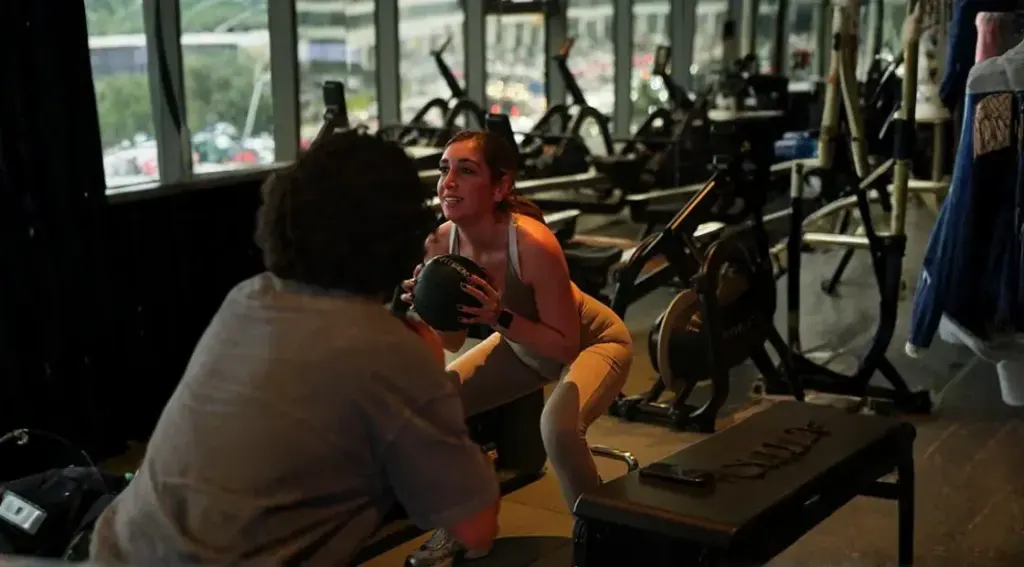
The First 4 Weeks for Gym Beginners: What to Do and What to Avoid
Don't spend your first month wandering or overdoing it. A week-by-week starter guide from the O'Wellness Beytepe coaches.
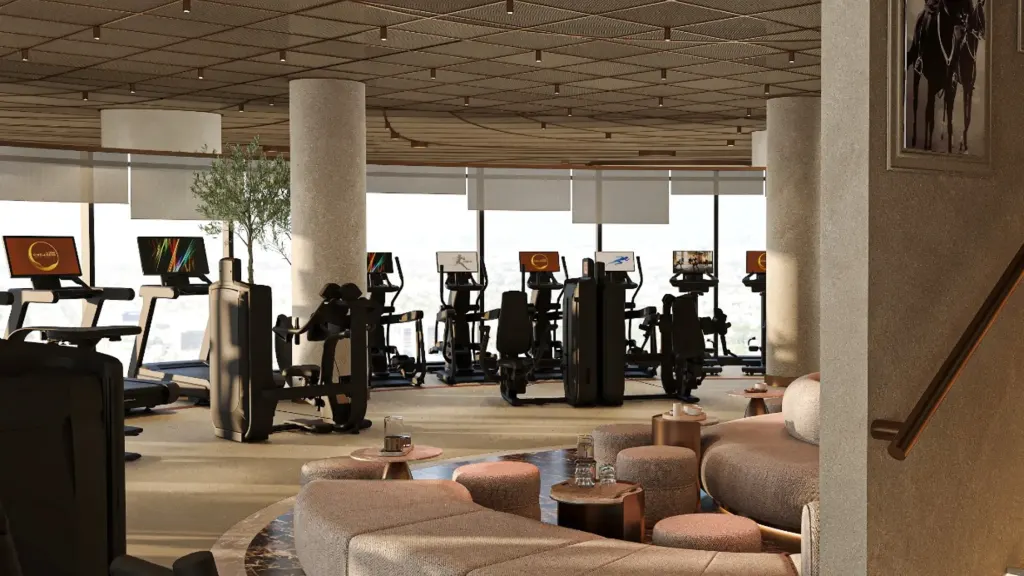
Machines or Free Weights? Choosing the Right Tool for Your Goal
We compare the differences and advantages of machines and free weights, and show how to combine both in one programme.
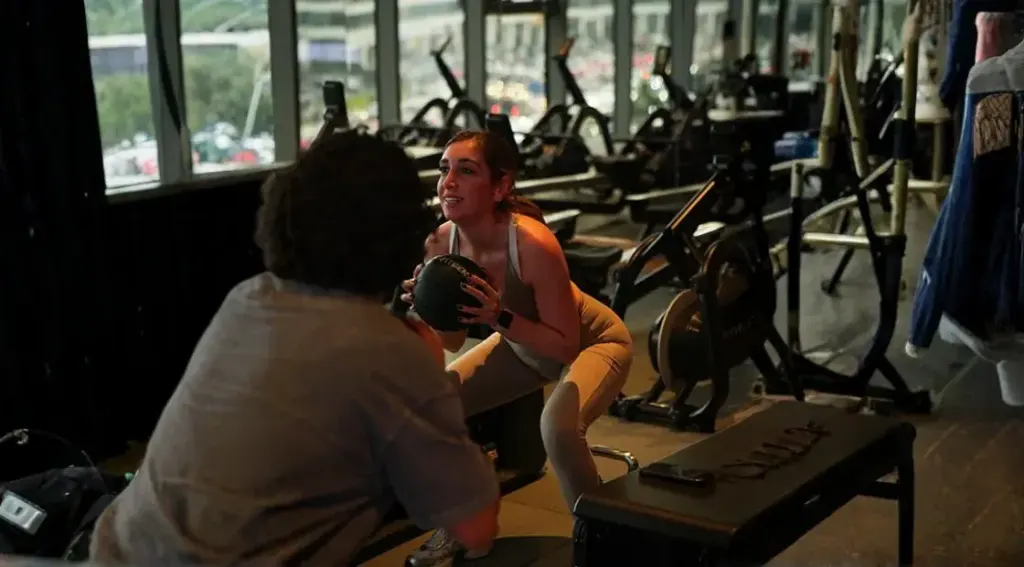
Body Composition Analysis: Body Fat, Muscle Mass and Measurement Methods
Why body composition analysis is more reliable than a scale, and which methods measure body fat and muscle mass: a guide to measuring and interpreting correctly from O'Wellness Beytepe.
