
Movement Modification in Group Classes: How to Adapt to Your Own Level
How do different levels work side by side in one class? Adapt movements with regression, progression and the pain-versus-effort distinction.
Everyone in a group class shares the same studio, the same music and the same cues, yet every body, every training history and every energy level that day is different. The secret of a good group experience is not that everyone performs the same movement in the same way, but that everyone can work at the right intensity for their own level. What makes this possible is movement modification: making an exercise easier (regression) or harder (progression). In this article we explain how you can adapt movements to your own level in formats such as Total Body, HIIT, Barre, Booty and Pilates, which will be offered at O'Wellness Beytepe once we open.
What is modification, and why is it not a sign of weakness?
Modification means changing the mechanics of a movement to fit your capacity while keeping its purpose. A knee push-up does not replace a full push-up, but it trains the same muscle chain with a lower load. It is not about making things 'easy'; it is about finding the right dose. Many people see modifying in their first classes as a personal failure, yet it is common to see even experienced participants return to optional versions on tired days.
Modification also runs in both directions. In the same class you can lighten one movement and make another heavier. What matters is stepping back one level when technique breaks down and stepping forward one level when technique feels very comfortable. This follows the same logic as progressive overload in strength training; in a group setting you simply need to decide faster.
In other words, modification is not a 'plan B' but a natural part of the class. Instructors do not try to fit the whole room into a single version of a movement; they often show two or three options at the same time. You simply pick the one that suits your level and protects your form. This approach is what allows a beginner and someone who has trained for years to work in the same room without disturbing each other.
Regression and progression: three dials
Almost every movement can be tuned with three dials: range of motion, load and tempo. Reducing the range (a shallower squat), lowering the load (a lighter dumbbell or bodyweight) and slowing the tempo make a movement easier; the reverse makes it harder. Turning only one dial at a time makes it easier to understand what actually works.
- Range of motion: working shallower or deeper
- Load: increasing, reducing or dropping the weight altogether
- Tempo: slowing the lowering phase, pausing or speeding up
- Base of support: two feet instead of one, or the reverse
- Impact level: stepping instead of jumping, or the reverse
Sample modifications by class format
The table below gives a practical starting point for some of the formats and movements to be offered at Beytepe. These are general examples; the instructor in the room will show you their own options for the day's flow.
| Exercise | Easier option | Standard | Harder option |
|---|---|---|---|
| Push-up | Wall or knee push-up | Full push-up | Slow-lowering or feet-elevated push-up |
| Squat | Sit-to-stand from a chair | Bodyweight squat | Dumbbell or paused squat |
| Burpee | Stepping back into plank | Standard burpee | Jumping burpee |
| Plank | Plank on knees | Forearm plank | Plank with shoulder taps |
| Lunge | Short-step lunge in place | Reverse lunge | Weighted or jumping lunge |
Managing impact in HIIT and Tabata
The most common mistake we see in fast-paced formats such as HIIT, O'Hiit and Tabata is starting at full speed in the first round and losing technique in the last rounds. Smart modification here means turning jumps into steps and controlling the pace. When you lower the impact level your heart rate still rises, but your joints are loaded less. Our article on heart rate zones offers an additional framework on this topic.
If you want to make things harder, increase control before speed: a deeper squat, a slower lowering phase, a wider range. Speed should only be added once your technique is solid. The instructor usually shows both low-impact and high-impact options within the class; this leaves room for everyone without forcing anyone into a single option.
Small differences in Pilates, Barre and Booty
In formats such as Reformer and Mat Pilates, Barre and Booty, modification mostly consists of very small adjustments: changing spring resistance, holding the leg slightly lower, working through a half range or resting the head on the mat. In these formats 'less' often means 'more accurate'; one controlled centimeter is worth more than ten shaky ones.
Because Reformer studio groups are small, it is easier for the instructor to see you and adjust your spring setting on the spot. Even so, if you cannot feel a movement or feel the load in the wrong place (lower back, neck), do not hesitate to raise your hand and say so.
Pain or effort? Telling them apart
Muscle burn, breathlessness and shaking are signs of effort and are usually safe. Sharp joint pain, numbness, tingling or a catching sensation within the movement, however, is a warning. In that case stop the movement immediately, let the instructor know and switch to an option if needed. For persistent pain, always consult your physician.
- Stop the movement and recover your breath
- Let the instructor know with a signal or after class
- Switch to an optional version or rest
- If the same pain returns in later classes, consult your physician
Talking to the instructor: two sentences before class
Telling the instructor two sentences before class changes the quality of the whole session: 'It is my first time' and 'I have some sensitivity in my left knee', for example. This helps the instructor watch you more carefully in the room and highlight suitable options. You can learn about our instructor team on our instructors page.
Choosing your spot in the room is also part of modification. A place where you can easily see the instructor and the mirror, with room to move beside you, makes it easier to check your form and switch to an option when needed. If you are new, instead of hiding in the back row choose a place within the instructor's line of sight so they can see you and make small corrections.
Equipment choice works on the same logic. Taking two pairs of dumbbells in light and medium weights, or a resistance band, lets you change the dose quickly within a round. You do not have to stay with the same weight throughout the class; heavier weight for movements that use large muscles and lighter weight for small muscles is often the more accurate approach.
Tracking your own progress
Track your modification steps in a notebook or your phone notes. Simple records such as 'This week I did 10 knee push-ups, last week 8' show you when you can move to the next option. Our training log article offers a template for this. Small, regular steps make a visible difference within weeks.
Adjusting on tired, stressed or sleepless days
Your body does not have the same capacity every day. On a day when you slept badly, came from a demanding workday or trained very hard for several days in a row, stepping back one level is often smarter than forcing the standard option. The goal is not to 'finish' the class but to contribute quality movement and recover by the next day. A lightened class on a single tired day is worth far more than not coming at all.
The reverse also applies: even on days when you feel very energetic, avoid sudden jumps. Try making things harder in a single movement first, then decide in the next class whether to continue. Long-term progress comes from regular, sustainable classes rather than a few brilliant days.
A weekly modification checklist
The short list below contains questions you can ask yourself after each class. The answers give you the goal for the next class and clarify which dial to turn in which movement.
- In which movements did my technique break down?
- Which movements did not challenge me at all?
- Was my breathing in sync with the movement?
- Which area was sore the day after class?
- Which single dial will I turn in the next class?
When you ask these questions regularly for a few weeks, you develop an intuitive 'sense of dose'. This sense gives you the freedom to train safely and productively in any format.
Does modifying upset the instructor?
No. A good instructor offers options anyway and prefers participants who work at the right dose. What matters is that you perform the movement safely and with control.
If I always pick the easy option, will I progress?
Once technique feels comfortable you should move one step up; otherwise the body does not receive a new stimulus. Small weekly increases are enough.
Can I join a group class if I have an injury?
It depends on the situation. Consult your physician or physiotherapist first, then inform the instructor and join with suitable options.
How should I choose weights?
If the last two repetitions are challenging but can be finished without technique breaking down, the weight is right. If unsure, start light and increase in the next round.
Is the opening date confirmed?
Not yet; we are opening very soon but no exact date has been shared. Founding membership pre-registration is being accepted.
The beauty of group classes is that different levels can work side by side in the same room. See modification not as a weakness but as a skill: the person who finds the right dose is the one who progresses most in the long run. You can contact us for founding membership pre-registration.
Related posts
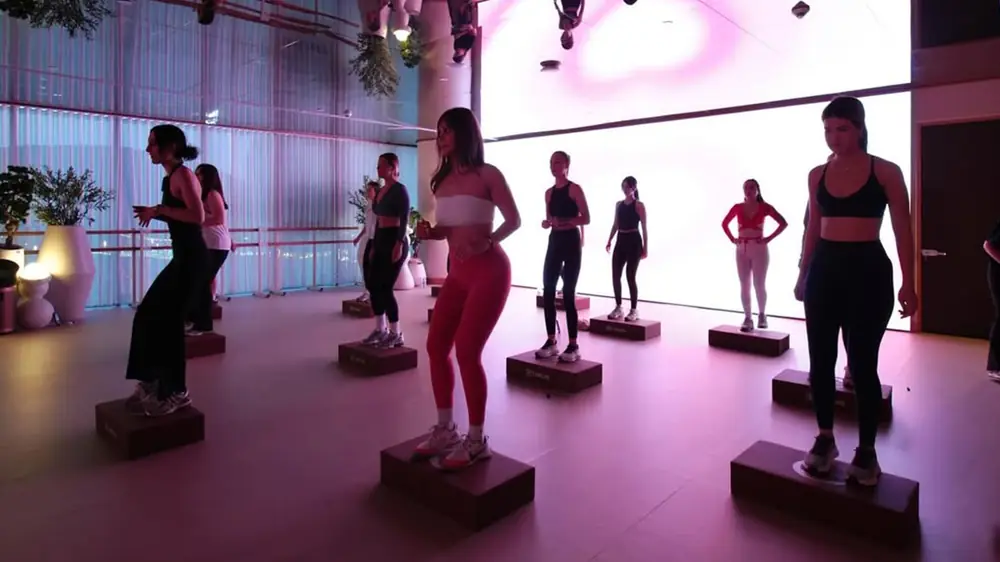
Bench Burn: The Science of Starting Your Day with a 07:15 Class
The Bench Burn format, which combines strength and cardio on a bench, and the benefits of morning training: an energetic way to start the day in Beytepe, Ankara.

Group Fitness Classes in Beytepe: A Multi-Format Programme at Yaka Beytepe
An O'Wellness Beytepe guide for anyone looking for group classes in Beytepe: studios, class categories, the weekly timetable, membership and getting to Yaka Beytepe.
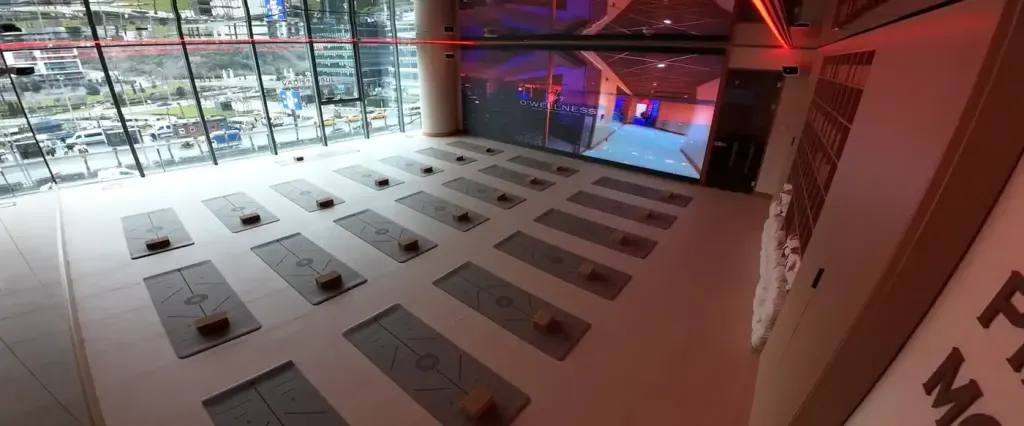
Group Classes Guide: Formats, Levels and the Right Class for You in Beytepe
Compare the class families at O'Wellness Beytepe by intensity, level and goal; this guide includes a four-week beginner plan and weekly combinations.
