
Exercising During Finals Week: Balancing Exam Stress and Training
Dropping training entirely during finals week can backfire, and so can keeping your usual load. Here is how to protect your rhythm by adjusting intensity.
Final haftasında spor yapmak, sınav döneminde en kolay vazgeçilen alışkanlıklardan biridir. Ders çalışma saatleri uzar, uyku kısalır, kafe ile kütüphane arasında gidip gelen günlerde salon kapısı gözden uzak kalır. Oysa tamamen bırakmak da, her zamanki yükle devam etmeye çalışmak da çoğu öğrenci ve akademisyen için pek verimli olmuyor. Bu yazıda, sınav takvimini bozmadan antrenmanı küçültüp sürdürmenin mantığını anlatıyoruz.
Why quitting entirely is not a great idea
During exam week your body is already under strain. Long hours of sitting, irregular meals, extra caffeine and short sleep can add up to neck, back and lower-back tightness. Even light movement is one of the most accessible ways to release that buildup. And once an exercise habit is broken, it takes extra willpower to restart it after exams end.
That said, the goal is not to set personal records this week. When your capacity to recover is low, heavy and long sessions can add fatigue and lower the next day's study efficiency. Aim to move enough to keep the rhythm alive, not to punish yourself.
A simple rule works: cut your usual session length roughly in half, but keep the number of sessions if you can. Someone who normally trains three times a week for an hour can switch to simpler thirty to forty minute sessions on the same three days. Short and regular is often more sustainable than long and interrupted.
- Drop heavy, punishing sets and move to technique-focused, controlled reps.
- Choose compound movements: squat, push, pull, carry. Reduce accessory work.
- Do not take sets to failure; leave a few reps in reserve on each set.
- Add five minutes of breathing and stretching at the end of the session.
Timing around your exam schedule
Putting training right before an exam is not a good idea for most people; when your heart rate is elevated, mental focus scatters easily. The day before an exam, a light walk or mobility session is enough. After the exam, a slightly more energetic session can help release the mental load.
If you have a morning exam, it makes more sense to train the previous evening and go to bed early. With an evening exam, a short midday session clears the mind without disturbing sleep. Try a few options before finals to see which time suits you, because exam week is not the best time to experiment.
The plan below is a template; shift it to match your own exam days. If you have any health concerns, consult your physician before starting.
- Day one: a thirty-minute full-body strength session, moderate pace, technique focus.
- Day two: twenty minutes of brisk walking or light cardio, followed by neck and shoulder mobility.
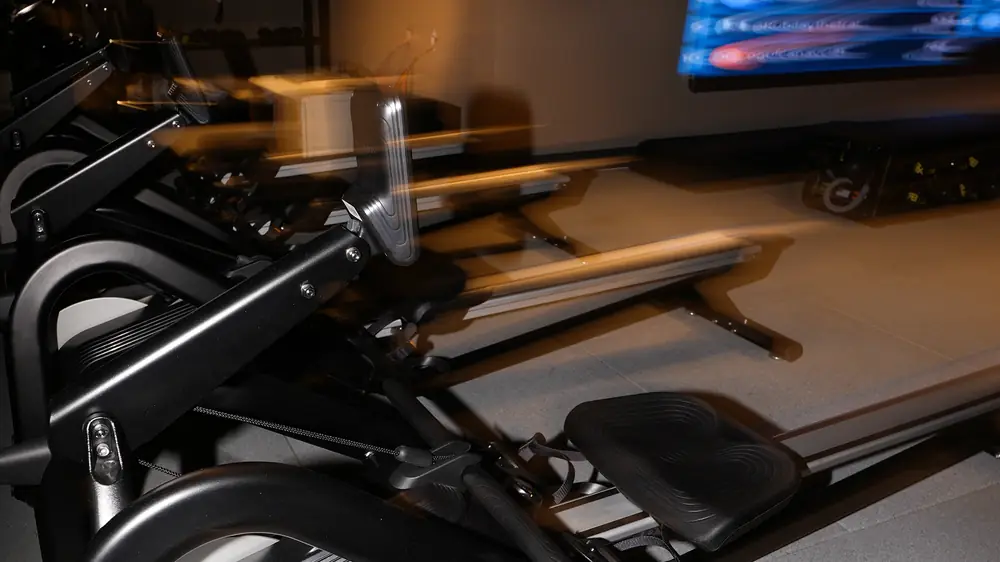
- Day three: a thirty to forty minute light group class or reformer session at low intensity.
- Day four: complete rest or just short walks.
- After exams: return to your normal load gradually over three to four days.
Cheap ways to leave the desk
On days you cannot make it to the gym you do not have to stay still. Small two to three minute breaks every hour reduce the effects of long sitting. A few squats to open the hips, a chest stretch against the wall and shoulder circles refresh the mind as well. These breaks do not interrupt your studying; on the contrary, they help you notice when your attention is slipping.
If you have a surface where you can stand and study, spending part of the day on your feet is an option too. The point, however, is not to stay in one position but to change position often. Standing, sitting and walking while reviewing can all be equally effective.
Sleep, caffeine and meal traps
During exam week, the benefit of training depends heavily on sleep. Studying late and then training hard the next day often magnifies fatigue. If your sleep has shrunk dramatically, easing the session or swapping it for a short walk is a smart decision.
Be careful not to overdo caffeine before training, do not skip meals, and drink enough water during the day. Living on packaged snacks can be tempting during exams, but options such as a handful of nuts, fruit or yogurt keep energy steadier. This is not a diet recommendation, just a suggestion for a regular rhythm.
For people living around the Hacettepe Beytepe Campus, training distance often decides the matter. Fitting short sessions into the day at a facility close to campus, such as O'Wellness Beytepe, also cuts the time lost in traffic. That way, even a thirty-minute session becomes a realistic plan once you factor in the trip.
Telling mental fatigue from physical fatigue
The fatigue felt during exams is often mental rather than physical. After hours of reading and note-taking you can feel exhausted even though your muscles have not tired at all. On such days a moderate-paced workout can be a good way to release mental tension. The key is reading the source of your tiredness correctly.
Physical fatigue, on the other hand, is linked to lack of sleep, a heavy previous workout or inadequate nutrition. If you feel heaviness in your legs, a racing heart or dizziness, shorten the session or postpone it. If these symptoms persist, seeing a health professional is the right step.
When finals are over, a common mistake is to do a very heavy workout on the first day with the thought of making up for lost time. If your body has spent a few days at low load, muscle soreness and fatigue can rise on return. Plan the first session to feel like roughly seventy percent of your normal load and increase gradually over the following days.
Setting yourself a small reward goal in this period also keeps motivation alive: joining a group class with friends, for instance, or taking a walk you have long postponed. Exercise can become a natural part of the relief that follows exams.
The power of training with friends
Instead of carrying exam stress alone, planning a half-hour walk or a short workout with a friend gives a sense of accountability and lightens anxiety through conversation. Pulling each other away from the books and into movement is a social way to break up long library sessions. Such an appointment also makes cancelling harder, because someone is waiting for you.
Taking a ten-minute shared mobility break with your study group between sessions is another idea. This small, repeatable, cost-free habit makes the intensity of exam season more manageable.
Finally, it helps to see finals week not as one big test but as a period of a few days. In this period the purpose of training is not to boost performance but to keep body and mind in balance. When you leave this week behind through small but regular steps, rebuilding your routine becomes much easier, and you will have treated yourself with more understanding.
As a small reminder, the signals coming from your body in exam week are more valuable than your program. If you feel drained during the day, shortening the session is possible, and if you feel well, extending it a little is too. This flexible approach is the easiest way to protect both your exam performance and your long-term habit.
Frequently Asked Questions
Is it okay to skip exercise completely during finals week?
Taking a day or two off is fine; what matters is that it does not become a habit. Even on days with no time at all, ten minutes of walking or mobility helps you avoid breaking the rhythm completely.
Can I train on the morning of an exam?
This varies from person to person. Some clear their minds with a light walk, while others feel tired. Instead of experimenting on exam morning, stick to a routine you have tried before and know works for you.
What should I do if I am very tired?
When you are extremely tired, shortening the session or swapping it for a light walk makes sense. If fatigue persists, or if you have sleep problems or other symptoms, it is right to consult your physician.
Related posts
Unilateral Training: Why Single-Leg and Single-Arm Work Builds Balanced Strength
The two sides of the body are rarely equally strong. Single-leg and single-arm exercises reveal that gap and build balanced strength, better balance and sturdier joints.

Safe Strength Training Principles for People with Low Back Pain
Can you train with low back pain? We explain safe movements, exercises to approach with care and a gradual strength program to help manage pain.

Breathing Technique and Intra-Abdominal Pressure in Strength Training
How to control your breathing when lifting weights, how intra-abdominal pressure protects the spine and when to use the Valsalva manoeuvre: a technique and safety guide.
