
Unilateral Training: Why Single-Leg and Single-Arm Work Builds Balanced Strength
The two sides of the body are rarely equally strong. Single-leg and single-arm exercises reveal that gap and build balanced strength, better balance and sturdier joints.
Bilateral movements such as the squat, bench press and deadlift are the foundation of strength training, but in these lifts the stronger side easily compensates for the weaker one. Unilateral training, meaning exercises done with one leg or one arm, removes that compensation and makes each side carry its own share. For balanced strength, better posture and joint health, these exercises are an important part of a strength programme.
For members using the O'Wellness Beytepe fitness floor in Yaka Beytepe, this guide explains in plain language how to start unilateral movements, which exercises to choose and how to place them in a programme. If you have pain or an injury history, seeking professional advice is important.
What Is Unilateral Training?
Unilateral movements are exercises in which one side of the body carries the load alone. Examples include the split squat, Bulgarian split squat, single-leg RDL, one-arm dumbbell row, one-arm shoulder press and step-up. In these movements the body also uses the core to stay balanced, so not just the working leg or arm but the trunk joins in.
Single-sided work therefore builds strength, balance and coordination together. Many everyday actions such as climbing stairs, running and carrying a load are actually unilateral, which is why these exercises make good functional sense.
Why It Matters: Strength Gaps and Imbalances
Most people have a dominant side. For right-handed people, the right arm and shoulder are usually a bit stronger. In bilateral movements this difference is hidden but it shows up in a unilateral exercise. Small differences are normal and not concerning, but if the gap is marked it is reasonable to give the weaker side a little extra work.
Balance is also an important gain. Exercises that require standing on one leg strengthen the ankle, knee and hip stabilisers. When done regularly, benefits such as better everyday balance and a lower risk of falls can be expected, though effects vary from person to person.
- The stronger side cannot compensate for the weaker one.
- The core and hip stabilisers work harder.
- Balance and coordination improve.
- Transfers closer to everyday movements.
- Adequate stimulus can be reached with lighter loads.
Four Basic Movements to Start
The split squat is an easy-to-balance leg movement with feet staggered front and back; you lower the knee under control with one foot forward and one behind. In the Bulgarian split squat the rear foot is on a raised surface and difficulty rises. The single-leg RDL trains the hip hinge and balance together. The step-up is done by stepping onto a bench or box.
For the upper body, the one-arm dumbbell row is ideal for working the back muscles symmetrically. The one-arm shoulder press demands trunk stabilisation. Choose a light weight in these movements and focus on quality first.
Sets, Reps and the Weaker-Side Strategy
2 to 3 sets of 8 to 12 reps per side is a good starting frame. Begin with the weaker side and match the strong side to the number of reps the weaker one achieved, so the stronger side does not do more. This helps the gap close over time.
Increase weight only without technical breakdown. Using less load than in bilateral lifts is normal for unilateral movements; do not see it as weakness. Adequate rest between sets also helps preserve balance.
Placing It in Your Programme
You can add unilateral movements as accessory work after the main bilateral lifts. For example, a Bulgarian split squat after squats or a one-arm dumbbell row after bench press makes a sensible order. Two sessions a week are enough for beginners.
Reformer pilates classes also contain many single-sided movements by nature, so members who combine fitness and reformer pilates develop this balance without realising it. It is efficient to plan the weekly programme with both areas in mind.
A Sample Leg-Day Flow
A sample flow might look like this: warm up with five minutes of light cardio and hip-opening mobility. Then perform a bilateral main movement, such as a goblet squat or leg press. Next add three sets of split squats and three sets of single-leg RDLs for each leg. You can finish with step-ups or a light core exercise. Total time is around forty-five to fifty minutes for most people and is not overly tiring. This structure combines strength, balance and hip stability work in a single workout. At the end of the session, calm the leg muscles with five minutes of light stretching.
For an upper-body day you can build a similar order with movements such as the one-arm dumbbell row, one-arm shoulder press and one-arm cable pull. Always keep the principle of starting with the weaker side and matching reps. If you notice a marked difficulty on one side for two weeks in a row, reviewing the programme and consulting a trainer if needed is useful.
Safety and Tips
When balance is challenged, lightly touching a wall or a stand is fine. Make sure the knee tracks in line with the toes and do not lean the trunk excessively to the side. If you feel pain, stop the movement; for sharp or persistent pain see a health professional.
There are also notes on recovery. Because unilateral movements work the small stabiliser muscles intensely, in the first weeks you may feel soreness in unexpected places, for example at the side of the hip and around the ankle. This is usually a temporary sign of adaptation and fades within a few days. Keeping sets and weight low at the start helps you get through this adaptation more comfortably. Sleep, nutrition and light walking aid recovery. If the pain is sharp, localised or lasts for days, a specialist should be consulted. Remember too that the aim of these exercises is not competition but for both sides to develop together; noting progress in a log supports motivation.
If you want to learn single-sided work in the strength area at O'Wellness Beytepe, our trainers help you with technique, load choice and weekly placement; taking the first step is enough. With patient, regular work, both sides of your body become more balanced, stronger and more resilient over time.
Related posts
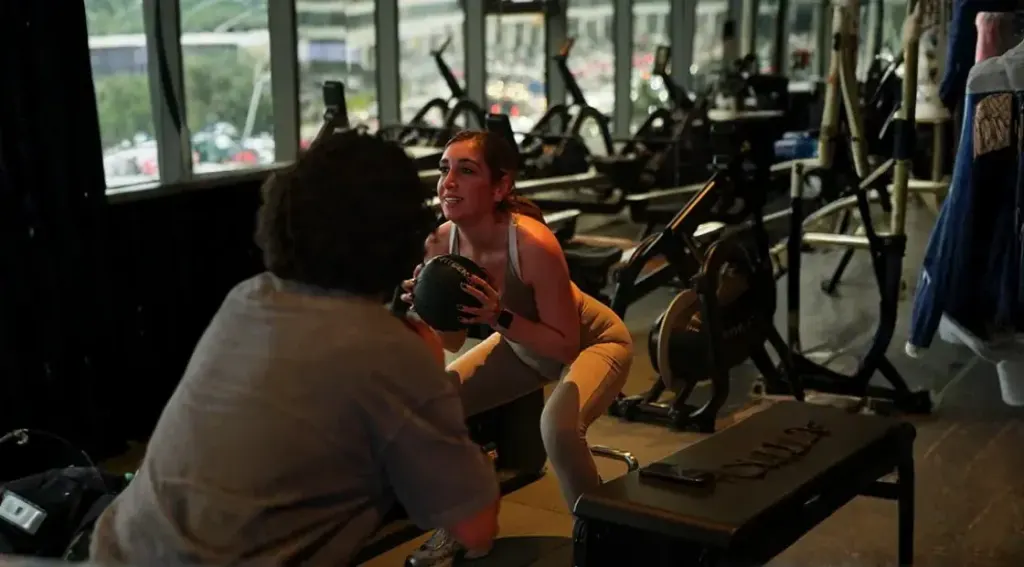
Weight Training for Women: Common Myths Explained
Will lifting make me bulky, and isn't cardio enough? We calmly address the most common beliefs about weight training for women.
Morning or Evening Workout? A Comparison of Performance, Sleep and Habit
Is morning or evening training more effective? A comparative guide on performance, sleep quality and how sustainable the habit is.
Exercise Order: Which Movement Comes First? The Logic of Session Planning
The same exercises can give different results in a different order. We explain, simply, how to order movements in a strength session and why.
