
Foot Mobility and Barefoot Training: Waking Up the Body's Foundation
Foot mobility focuses on restoring movement to feet that spend all day inside shoes. Here are simple exercises and the limits of barefoot training.
Ayak mobilitesi, mobilite rutinlerinde genellikle en son akla gelen konudur. Kalça, omuz ve omurga için ayrıntılı programlar yapılırken, bedenin yerle temas eden tek parçası olan ayaklar çoğu zaman ayakkabının içinde, aynı pozisyonda ve neredeyse hareketsiz kalır. Oysa ayak; çok sayıda küçük eklem, kas ve bağdan oluşan, her adımda şekil değiştiren hareketli bir yapıdır. Bu yazıda ayak mobilitesinin neden önemli olduğunu, evde ve stüdyoda yapılabilecek basit egzersizleri ve çıplak ayak çalışmaya geçişte dikkat edilmesi gereken noktaları ele alıyoruz.
Why does the foot lose its range of motion?
Shoes protect the foot, but they also restrict it. Narrow-toed shoes prevent the toes from spreading; high-heeled or thick-soled shoes change the relationship the ankle and sole form with the ground. A foot that spends all day in this environment gradually stops using its ability to move the toes independently and to actively support its arch.
When a skill is not used, it weakens. Being unable to lift the toes one by one, the foot collapsing inward when standing on one leg, or stiffness felt in the sole in the mornings can be everyday signs of this disuse. Some of these may improve with simple exercises; however, if there is lasting pain or a change in shape, you need to consult a physician.
The link between the foot and the body
The foot works like a sensory organ that sends information to the rest of the body. The slope, hardness, and texture of the ground are sensed through receptors in the sole, and the body adjusts its posture accordingly. This is also one reason yoga and Pilates are done barefoot: direct contact between the sole and the floor provides richer feedback for balance and alignment.
Small changes in the foot can have effects further up. The foot collapsing inward can accompany the shin rotating inward and the knee caving in. This relationship is not always direct or one-way, but it is clear that foot awareness also helps in observing knee and hip alignment.
Simple foot mobility exercises
The following exercises require no special equipment. A yoga mat or a rug is enough. Each is done for a few repetitions, and setting aside a few minutes a day can create a different feeling in your feet within a few weeks.
- Parmak açma: Otururken ayak parmaklarınızı olabildiğince yana açın ve birkaç saniye tutun. Başlangıçta zorlanırsanız parmak aralarına elinizin parmaklarını yerleştirerek yardım edebilirsiniz.
- Başparmak ve diğerleri: Başparmağı yerde tutarken diğer dört parmağı kaldırın, ardından tersini yapın. Bu, parmakların bağımsız kontrolünü geliştirir.
- Kısa ayak: Parmakları kıvırmadan ayak tabanının ortasını yukarı doğru kaldırmaya çalışın; ayak kısalır gibi olur. Kemer kaslarını aktif hale getirir.
- Havlu toplama: Yere serili bir havluyu ayak parmaklarınızla kendinize doğru çekin. Parmak bükücü kasları çalıştırır.
- Top ile ayak tabanı masajı: Ayak tabanının altında küçük bir topu yavaşça yuvarlayın. Basınç rahatsız edici değil, hoş bir yoğunlukta olmalıdır.
Working together with the ankle
The foot and ankle should not be thought of separately. Ankle circles, heel raises, and ankle stretches done by driving the knee toward a wall complement foot work. Especially for those who struggle with squat depth, the ankle's forward range of motion can be decisive.
The role of the feet in yoga and Pilates
In yoga, most standing poses refer to the four corners of the sole: the base of the big toe, the base of the little toe, and the inner and outer sides of the heel. Giving equal weight to these four points helps the arch lift naturally. Applying this awareness in mountain pose creates a foundation for other standing poses as well.
In reformer Pilates, the footwork series is a section in which the feet work in different positions. Pressing the footbar with the heels, the arches, and the toes loads the ankle and foot muscles at different angles. When working on the toes, the heels not drifting inward or outward is a good indicator of foot control.
Transitioning to barefoot training
Barefoot training is thought to engage the foot muscles more; however, suddenly leaving a foot that has lived for years in supportive shoes bare can place a load on the tissues they are not used to. That is why the transition should be gradual.
- First spend time barefoot at home and on soft, flat surfaces such as a yoga mat.
- Then do short balance and mobility sessions barefoot.
- If you are going to switch to barefoot or thin-soled shoes in weight training, start with light loads first.
- In activities with repeated impact such as running, the barefoot transition should be made much more slowly and with expert input.
The hygiene and safety rules of gyms also need to be considered. Working barefoot in the weights area leaves the foot unprotected against a dropped weight. For this reason, it is more sensible to limit barefoot training to yoga and Pilates studios or to areas where it is clearly allowed.
Who should be careful?
People with conditions that can affect foot sensation, such as diabetes, may have difficulty noticing wounds on the soles; it is especially important for these people to consult their physician before barefoot training. For those diagnosed with heel spurs, plantar fascia pain, or foot deformity, which exercises are suitable should also be assessed individually. If pain increases, you need to pause the exercise and consult a specialist.
For people attending yoga or reformer classes at O'Wellness Beytepe, a few minutes of foot awareness at the start of class affects the quality of all the work on the mat or carriage. Spreading and closing your toes a few times before class can be a small ritual that helps the foundation wake up.
Fitting it into daily life
If finding separate time for foot mobility feels hard, linking the exercises to existing routines works. Small habits such as standing on one foot while brushing your teeth, spreading and closing your toes while sitting at your desk, or releasing your sole with a ball while watching television can make a difference over weeks. Walking around at home barefoot or in socks rather than slippers as much as possible also gives the foot a chance to feel different surfaces.
Shoe choice is also part of this process. Wide-toed models that leave room for the toes allow the foot to spread more naturally during the day. However, changing shoes should also be done gradually, just like the barefoot transition.
You can use a simple test to track your progress: note how long you can comfortably stand on one foot with your eyes open, then repeat the same attempt a few weeks later. A stance in which the foot stays calm without collapsing inward and without the toes clawing at the floor is a concrete sign that your foot muscles are doing their job better.
Frequently Asked Questions
Can flat feet be corrected with foot exercises?
Foot exercises can strengthen the arch muscles and improve foot control. However, whether structural flat feet will change with exercise differs from person to person. It is advisable to consult an orthopedic specialist on this.
How often should I do foot exercises?
They can be done briefly every day. A few minutes of regular practice is more effective than one long session a week.
Is training in socks at the gym the same as barefoot?
Non-slip socks give a feeling close to bare feet while offering a hygiene advantage. They are often preferred in Pilates and yoga classes. Remember, though, that regular socks can be a risk on slippery floors.
Related posts
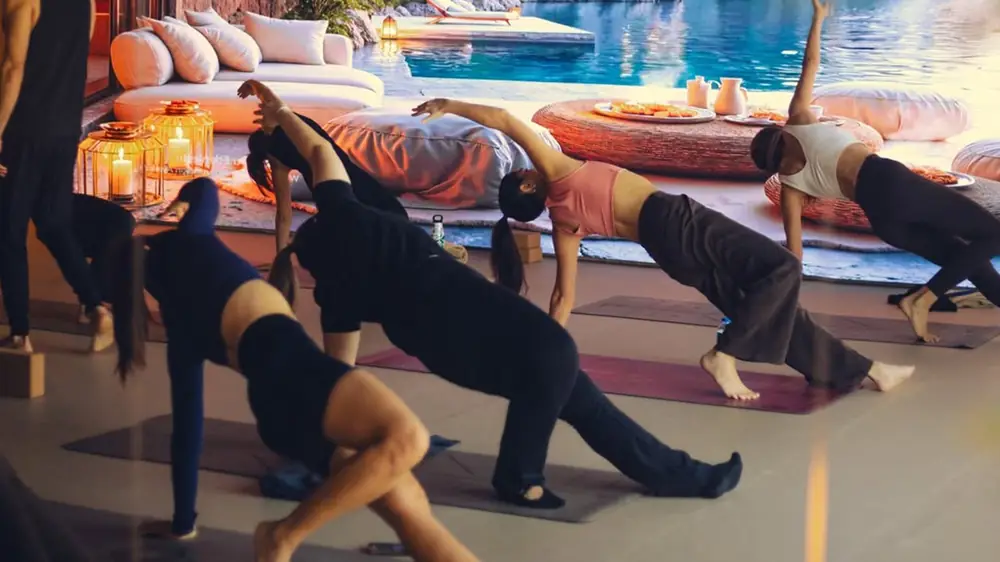
Breathing Practice and Yoga-Based Calming for Exam Anxiety
Racing hearts and tension before exams are experienced by everyone. Simple ways to calm yourself with breathing and gentle yoga movements.
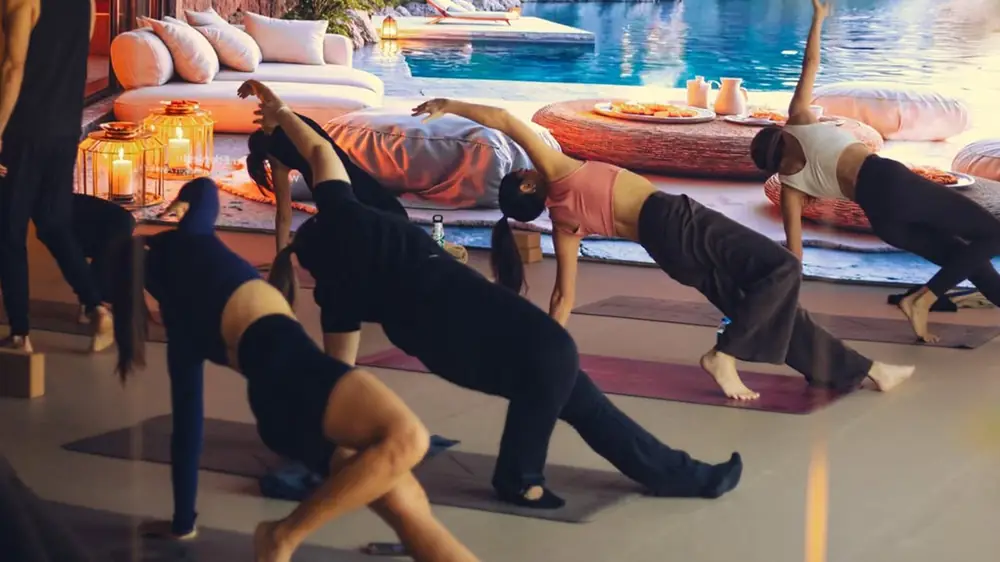
Yoga and Stress: How Is the Parasympathetic Nervous System Activated?
Yoga's stress-reducing effect relies largely on activating the parasympathetic nervous system; we cover breathing techniques and practical applications.
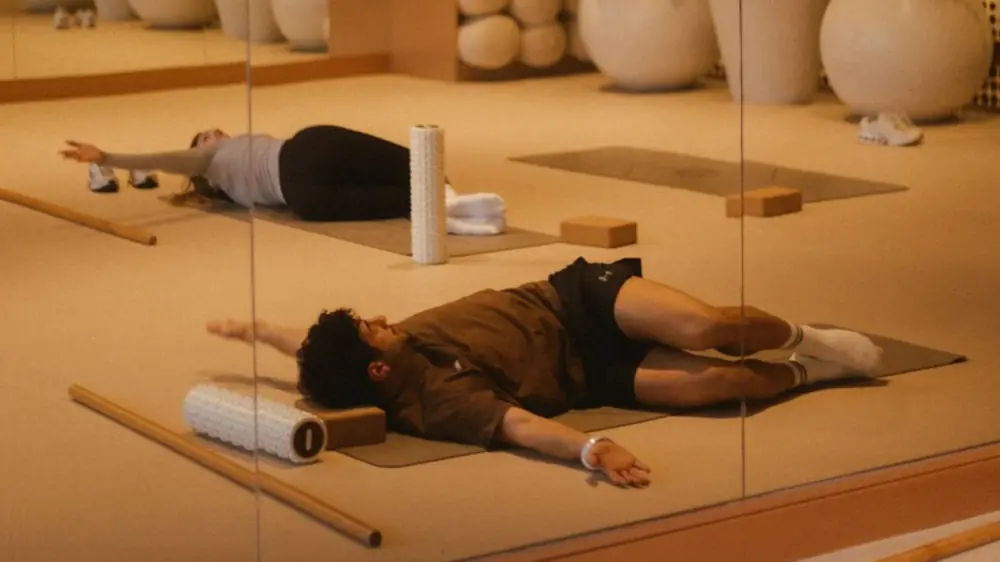
How to Use a Foam Roller: A Myofascial Release Guide
We answer how to use a foam roller with technique by area, timing advice and common mistakes. Myofascial release is a practical tool before and after training.
