
A Guide to Planning Your Training Around Menstrual Cycle Phases
Energy and recovery can shift across the cycle. A balanced way to plan training load flexibly by tracking your own body.
Birçok kadın, ay içinde enerji, uyku ve antrenman performansında dalgalanmalar yaşadığını fark eder. Adet döngüsüne göre antrenman planlamak, bu dalgalanmaları hesaba katan esnek bir yaklaşımdır. Kesin kurallardan çok, kendi bedeninizi gözlemleyip yükü buna göre ayarlamayı hedefler. Bu yazıdaki bilgiler genel niteliktedir ve tıbbi tavsiye yerine geçmez; düzensiz döngü, yoğun ağrı veya başka bir endişeniz varsa hekiminize danışmalısınız.
An overview of the cycle phases
In a simplified framework the cycle divides into four parts: the menstrual phase, the follicular phase, the time around ovulation and the luteal phase. Hormone levels differ in each phase, and these differences can affect energy, pain sensitivity, temperature perception and sleep in some people. The size of the effect, however, varies greatly between individuals; some feel no difference while others experience marked fluctuations.
For that reason, rather than trusting generalizations blindly, tracking your own experience is more valuable. By adding notes on energy, sleep and performance to your training log for two or three months you can see a personal pattern.
- Menstrual phase: If energy feels low, choose walking, yoga, mobility or light reformer. If you feel fine, continuing your normal program may be perfectly acceptable.
- Follicular phase: Many people feel more energetic in this period. It can be a suitable window to learn new movements or increase load.
- Around ovulation: Strength may feel high, but some sensitivities related to joint laxity are also discussed. Keeping the warm-up long and paying attention to technique is a good approach.
- Luteal phase: You may feel fatigue, bloating or sleep changes. Shortening duration, easing intensity and making room for recovery makes sense.
This list is a template; you do not have to push or restrict yourself in any phase. The aim is to respect the body's signals on that particular day.
Aligning strength training with the cycle
Because consistency is the most important factor in strength training, the cycle should be seen as a tool for adjustment, not an obstacle. On days when you feel more energetic you can schedule heavy, demanding sets, and on more tired days sessions that focus on technique and controlled tempo. Keeping the weekly session count steady while flexing intensity is a method that works for many people.
Most results accumulate over months; one week of lower performance does not derail your goals. This perspective gives good protection against dropping the program when caught in the feeling of not being at your best today.
For those with mild to moderate cramps, gentle movement is often soothing; but if you have severe pain or unusual bleeding, do not push training and see a doctor. Heat compresses, light walking and breathing exercises are among the generally safe options that may help some people.
Some people prefer to avoid inversions or movements that put heavy pressure on the abdomen during their period. This is a personal preference; do not hesitate to drop a movement that feels uncomfortable and choose an alternative.
Tracking and keeping it simple
Complicated apps are not needed for tracking. Rating your daily energy level from one to five in a notebook or phone notes is enough. After three or four cycles, seeing when you feel productive and when more tired lets you personalize the plan.
It is also possible to share these notes with trainers at O'Wellness Beytepe and plan session intensity together. That way the program fits not only the calendar but your rhythm too.
Adjusting recovery and sleep
At certain times in the cycle sleep quality may change, and this directly affects next-day training performance. On days when you slept poorly, lowering session intensity by a few notches or shortening the duration is generally a wise decision. That way load does not accumulate in the body and long-term progress is preserved.
Reducing screens in the evening, keeping the room cool and setting a regular bedtime are simple steps for sleep. These habits work whichever phase of the cycle you are in and support the benefits training provides.
Some people notice increased appetite during certain parts of the cycle. This can be natural, and meeting energy needs with balanced meals rather than trying to restrict yourself is a healthier approach. Meals with adequate protein, fiber and whole grains support training performance and mood.
If you have concerns about iron and other nutrients, talk to a physician or dietitian instead of taking supplements on your own. This is a subject that requires an individual assessment, and general advice may not be enough.
Communicating with trainers and group instructors
Briefly telling your instructor about your energy and discomfort that day lets the class be adjusted to suit you. Most instructors are used to offering alternative movements. For instance, a more comfortable option can be offered instead of a movement that puts pressure on the abdomen.
This communication is part of a safe environment in which you can express yourself without being judged. Dropping a movement that makes you uncomfortable is not a weakness but a sign of listening to your body.
Planning around the cycle should not turn into an effort to build a perfect system. Some days will not fit the plan and some weeks will be unexpectedly hard. This is not failure but a natural consequence of being human. What matters is using the plan as a tool of support, not as a tool of pressure on yourself.
As you get to know your body, you see more clearly which kinds of movement feel good on which days. Over time this knowledge becomes intuitive and you need tracking notes less. Patient observation is the most reliable guide in the long run.
Balancing strength and endurance across the month
Over time you may notice which kinds of work suit you better in different parts of the cycle. Some people prefer heavy strength work when they feel energetic and brisk walking, swimming or moderate cardio when they feel more tired. This choice is not a rule but a pattern drawn from your own experience.
Easing endurance work on the day after heavy training helps keep overall load in balance. When reviewing your weekly total load, look not only at numbers but at how you feel. The program fitting you matters more than you fitting the program.
The most valuable aspect of cycle-based planning is that it helps you know your body better. After a while you can predict in advance how you will feel on which days and adjust training accordingly. This awareness can be a guide not only for exercise but for sleep, nutrition and daily plans, and supports treating yourself more kindly.
We would like to remind you once more that the information in this article is not equally valid for everyone. Situations such as hormonal contraceptive use, chronic conditions, pregnancy or menopause can change your picture. In such cases creating a personal plan together with your physician is far healthier than relying on general recommendations.
It is also helpful to leave yourself a safety margin when planning training. Instead of expecting to work at full capacity every week, deliberately planning some weeks lighter supports both mood and long-term progress. Flexibility is one of the most important elements of a sustainable sports life.
Frequently Asked Questions
Is exercising during your period harmful?
For most people light to moderate movement is safe and can even be soothing. If you experience severe pain, heavy bleeding or dizziness, consult your physician.
Is it necessary to train according to the cycle?
No. It is not a requirement but an observation tool for those who want it. Many people comfortably follow the same program throughout the cycle.
How should I plan if my cycle is irregular?
Adjust according to daily energy and recovery instead of predicting phases. If irregularity persists, seeing a doctor to understand the cause is important.
Related posts
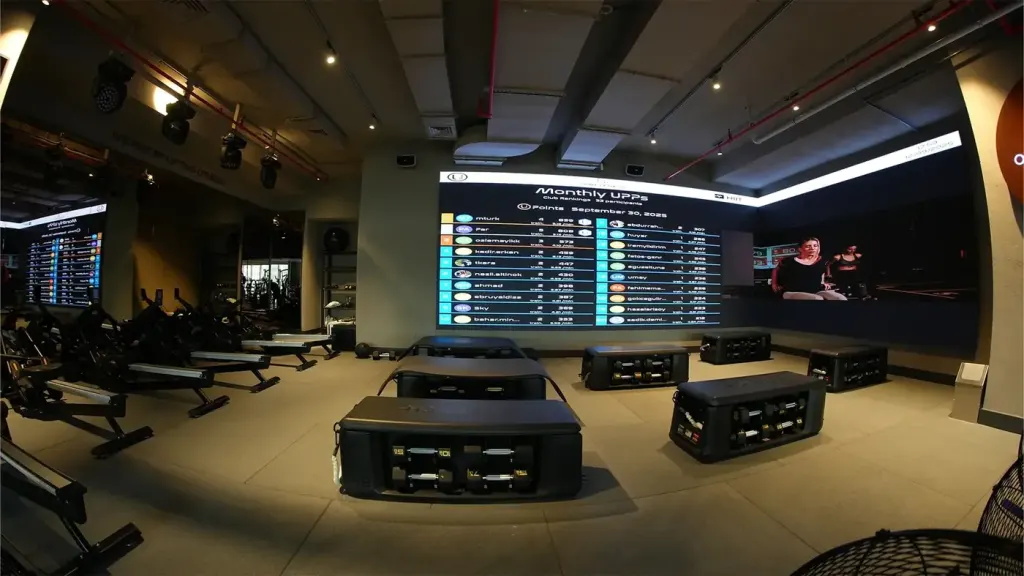
Warm-Up Sets in Strength Training: Climbing Step by Step to Your Heavy Set
Warm-up sets are the way to reach your working weight safely. We explain how many sets, how many reps, and which weight steps to climb with, using practical examples.

Breathing Technique and Intra-Abdominal Pressure in Strength Training
How to control your breathing when lifting weights, how intra-abdominal pressure protects the spine and when to use the Valsalva manoeuvre: a technique and safety guide.
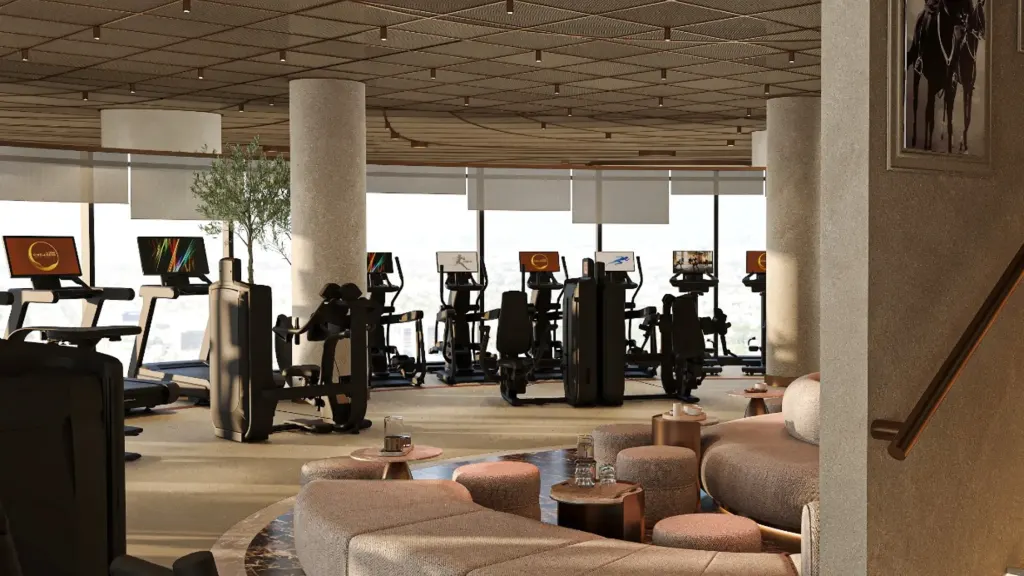
How to Bench Press: Setup, Technique and Safety Guide
Setup, grip, elbow angle and safety planning for the bench press: a step-by-step way to learn the lift while staying kind to your shoulders.
