
Warm-Up Sets in Strength Training: Climbing Step by Step to Your Heavy Set
Warm-up sets are the way to reach your working weight safely. We explain how many sets, how many reps, and which weight steps to climb with, using practical examples.
Kuvvet antrenmanında ısınma setleri, salona girip doğrudan ağır ağırlığa yüklenmek ile birkaç hafif setle zaman kaybetmek arasındaki dengeyi kurar. İyi planlanmış ısınma setleri; eklemleri hareket açıklığına hazırlar, sinir sistemini yüke alıştırır ve o günkü formunuz hakkında size bilgi verir. Kötü planlanmış olanlar ise ya yetersiz kalır ya da ana setten önce sizi yorar. Bu yazıda ısınma setlerinin mantığını, ağırlık basamaklarının nasıl seçileceğini ve farklı hareketlere göre nasıl uyarlanacağını ele alıyoruz.
The difference between a general and a specific warm-up
A warm-up can be thought of in two layers. A general warm-up is a light activity that raises body temperature and heart rate: a few minutes on the rowing machine, the bike, or a brisk walk does the job. The mobility movements that follow take the joints you will train that day toward the end of their range. On squat day the hips and ankles come to the fore; on bench press day, the shoulders and rib cage.
A specific warm-up is done with the main movement itself. Warm-up sets belong to this layer. The aim here is to repeat the movement's technique at every step by increasing the weight gradually, so that when you reach the main set your body already knows this load. The general warm-up heats your muscles; the specific warm-up reminds them what to do.
The three jobs of warm-up sets
Warm-up sets are not done only to prevent injury. They have three separate jobs, and each affects how the sets should be planned.
- Hazırlık: Eklem sıvısının dağılması, kasların ısınması ve hareket açıklığının açılması. Bu görev ilk hafif setlerde tamamlanır.
- Prova: Hareketin teknik detaylarını yük altında tekrar etmek. Bar yolu, nefes ve gövde sıkılığı her sette yeniden kurulur.
- Kalibrasyon: Ağırlık yaklaştıkça o günkü hissinizi okumak. Ana setten bir önceki basamak normalden ağır geliyorsa, planı o gün için ayarlamanız gerekebilir.
How to choose weight steps
In warm-up sets, weight jumps are large at first and become small as you approach the main weight. Starting with the empty bar is a good first step for most movements. The weight then progresses to roughly half of the working weight, then two thirds, and three quarters. The last step is quite close to the main weight.
Here the percentages should be thought of not as a strict rule but as a framework. If your main weight is light, there are few steps; as the weight increases, more intermediate steps are needed. Someone squatting very heavy and a beginner do not use the same warm-up scheme. A practical approach is to look at how the previous set felt at each step: if the movement is smooth and light, the next jump can be a little bigger.
Cutting the reps
The most commonly overlooked rule of warm-up sets is that the number of repetitions drops as the weight goes up. Doing eight or ten reps with the empty bar makes the movement fluid. Around five reps is enough in the middle steps. In the steps close to the main weight, one to three reps let you calibrate without building fatigue. Doing too many reps in a heavy warm-up set takes away from the quality of the main set.
A sample warm-up flow
The following example shows a typical squat warm-up for an intermediate lifter working with heavy sets of a few reps. Thinking in proportions rather than numbers makes it easier to adapt the scheme to your own weight.
- Boş bar: Rahat tempoda sekiz ile on tekrar; derinliği ve ayak basıncını hissetmek için.
- Ana ağırlığın yaklaşık yarısı: Beş tekrar; bar yolunu ve nefes ritmini kurmak için.
- Yaklaşık üçte ikisi: Üç tekrar; gövde sıkılığının yük altında nasıl hissettirdiğini görmek için.
- Yaklaşık dörtte üçü ile biraz üstü: İki tekrar; ritmin hızlanmadığından emin olmak için.
- Ana ağırlığa yakın tek tekrar: İsteğe bağlı; o günkü hissi okumak için.
Short rests between sets are enough. A few breaths in the first steps, and a slightly longer break as it gets heavier. The rest before the main set, however, should be close to your normal rest between sets; otherwise the fatigue of the last warm-up set carries over to the main set.
Adapting to the movement
Not every movement carries the same warm-up need. Multi-joint movements that use large muscle groups, such as the squat and deadlift, call for more steps. In upper-body presses such as the bench press and overhead press, preparing the shoulder joint is especially important; that is why adding a few light band movements before the first steps is useful.
For movements that come second or third in the day, the warm-up can be shortened. The first movement has already warmed the body; a few rehearsal sets are enough for the new movement. In accessory movements, a single light set is often enough to recall the movement pattern.
A note on the deadlift
Because the deadlift starts from the floor, warming up with the empty bar is impractical, as the bar sits very low without plates. In that case, starting with light plates or pulling the bar from a raised surface is more suitable. Working the hip hinge first with body weight or a light kettlebell is another option.
Common mistakes
Mistakes in warm-up sets mostly come from rushing or from excessive caution. Both lower the quality of the main set.
- Basamak atlamak: Boş bardan doğrudan ağır ağırlığa geçmek, bedeni hazırlıksız yakalar ve teknik bozulabilir.
- Çok fazla basamak: Gereğinden fazla set yapmak, ana sete yorgun başlamanıza yol açar.
- Isınma setlerini ciddiye almamak: Hafif ağırlıkta özensiz tekrarlar, kötü bir hareket kalıbını pekiştirir. Her tekrar, ana setteki gibi yapılmalıdır.
- Kalibrasyonu yok saymak: Son ısınma seti çok ağır geldiği halde plana inatla devam etmek, o gün için riskli olabilir.
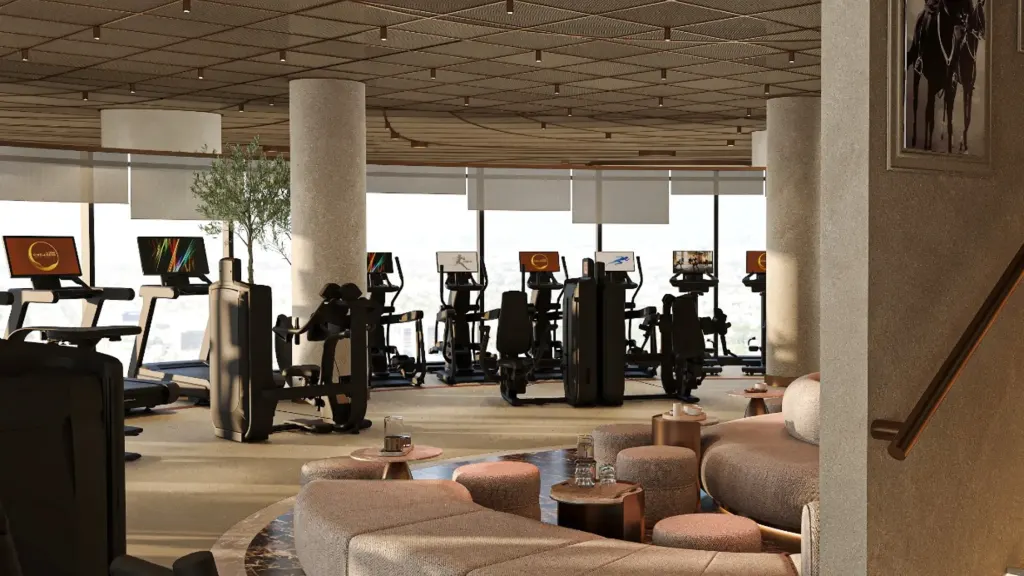
If you work with heavy sets in the fitness area at O'Wellness Beytepe, setting up your warm-up scheme once together with a coach makes it easier to repeat this structure on your own in the following weeks. Writing the scheme in your training log also helps you follow the same logic in every session.
Warm-up sets and daily form
Perhaps the most valuable side of warm-up sets is that they give you honest feedback. After a sleepless night or a busy workday, a step that normally feels light can feel heavy. Using this information instead of ignoring it is wiser for long-term progress. On a day like that, lowering the main weight slightly or reducing the number of sets protects the rest of the week.
Conversely, on some days warm-up sets feel lighter than expected. In that case it is possible to work at the upper limit of the plan without forcing it. Seeing warm-up sets not as an obligation but as a measuring tool that adjusts that day's training to you changes your perspective.
To turn this approach into a weekly habit, you can ask yourself a short question after the last warm-up set: does this weight feel lighter than usual today, the same, or heavier? Noting the answer in your log with a single word makes it easier to see the relationship between sleep, stress, and training performance after a few weeks.
Frequently Asked Questions
Do warm-up sets count toward total volume?
Generally they do not. Warm-up sets serve preparation and do not bring the muscles close to their fatigue limit. When writing a program, the main sets are planned separately.
Is warming up with cardio enough?
Cardio is good for a general warm-up but does not prepare the movement itself. Before a heavy strength movement, gradual sets done with that movement are needed as well.
What should I do if I feel pain while warming up?
Mild stiffness may ease as you warm up. But if there is sharp or increasing pain, do not add weight and stop the movement. If the pain persists, consult your physician.
Related posts
How to Bench Press: Setup, Technique and Safety Guide
Setup, grip, elbow angle and safety planning for the bench press: a step-by-step way to learn the lift while staying kind to your shoulders.
How to Hip Thrust: Setup and Technique Guide for Glute Strength
The correct hip thrust setup, common mistakes, variations and programme placement: train the glutes with the glutes, not the lower back.

Safe Strength Training Principles for People with Low Back Pain
Can you train with low back pain? We explain safe movements, exercises to approach with care and a gradual strength program to help manage pain.
