
A Protein Plan for Plant-Based Athletes
With the right variety of sources, vegan athletes can get enough protein. We have gathered practical protein planning principles for plant-based athletes.
Whenever vegan athlete nutrition comes up, the first question is usually the same: is it possible to get enough protein? With good planning, plant-based athletes can reach performance and muscle-building goals similar to those who eat animal products. In this article we cover plant protein sources, daily planning and the micronutrients that particularly need monitoring.
The key characteristic of plant protein
Unlike animal sources, most plant protein sources may not on their own have a complete protein profile containing all the essential amino acids the body needs in sufficient amounts. However, eating different plant sources over the course of the day, for example combining grains with legumes, completes the overall amino acid profile. That is why vegan nutrition should focus on variety rather than on a single source.
Key plant protein sources
| Source | Note |
|---|---|
| Lentils, chickpeas, beans | High in protein and fibre |
| Soy products (tofu, tempeh, edamame) | Relatively balanced amino acid profile |
| Quinoa | A relatively balanced amino acid profile among grains |
| Nuts and seeds | Provide healthy fats as well as protein |
| Plant protein powders (pea, rice, hemp) | Can be a practical supplement option |
The amounts and combinations of these sources depend on the person's goal, body weight and activity level. We recommend working with an expert dietitian for a plan tailored to you.
Approaching your daily protein target
Athletes who do strength training generally need more protein than sedentary people. In a vegan diet, the way to reach this target is to add a plant protein source to every meal and to use practical options such as plant protein powder when needed. Because exact figures vary from person to person, it is important to set a safe and effective target with your dietitian; this article is for general information only.
A sample daily meal plan
- Breakfast: Oats, plant-based milk, a seed mix and fruit.
- Snack: Hummus with wholegrain crackers or a handful of nuts.
- Lunch: Quinoa, chickpeas, plenty of vegetables and an olive oil dressing.
- After training: A smoothie made with plant protein powder or a snack containing tofu.
- Dinner: A lentil- or tempeh-based main dish with a generous vegetable side.
This plan is only an example framework; your dietitian's recommendations should guide your personal calorie and macronutrient distribution.
Micronutrients to monitor
In a plant-based diet, monitoring certain nutrients is especially important. Vitamin B12 does not occur naturally in plant sources, so supplements or fortified products are usually needed. Iron can be obtained from plant sources such as spinach and lentils, but its absorption increases when eaten with vitamin C. Zinc, omega-3 (especially EPA/DHA) and iodine are other nutrients that need attention. Whether to support these with supplements should be decided with your physician or dietitian based on blood test results.
Training timing and nutrition
For vegan athletes too, the timing of nutrition before and after training is decisive for performance and recovery. A meal with easily digested carbohydrate and a moderate amount of protein 1-2 hours before training, and a snack combining protein and carbohydrate afterwards, support recovery. These principles also align with general strength training and recovery principles.
Common mistakes
- Relying on a single protein source: Without variety, completing the amino acid profile can be harder.
- Not eating enough total calories: Plant foods are bulky but low in calorie density, which can lead to an energy deficit in athletes.
- Neglecting B12 supplementation: It can raise the risk of deficiency in the long term; monitoring with regular blood tests is recommended.
- Skipping the post-training meal: It can delay recovery.
Who should be careful
Athletes who have recently switched to a vegan diet may experience temporary discomfort while the digestive system adapts to higher fibre intake; a gradual transition is recommended during this period. People with conditions such as iron-deficiency anaemia or thyroid problems must get support from a physician and a dietitian when switching to a vegan diet.
Measuring progress
Progress in vegan athletes should be tracked by looking together at strength training performance (weight lifted, repetitions), recovery speed, energy levels and values in regular blood tests (especially B12, iron and vitamin D). A clear drop in performance or constant fatigue may indicate that the nutrition plan needs reviewing.
Support at O'Wellness Beytepe
At O'Wellness Beytepe in Çankaya, Ankara, members who follow a vegan or plant-based diet can create a personalised protein plan with our dietitian service. You can use Personal Training support to align your strength training programme with this nutritional approach.
The logic of protein combining
In the past, the concept of amino acid complementation was interpreted to mean that different plant sources had to be eaten together at every meal. Today the generally accepted view is that eating a variety of sources over the day is enough. So eating grains in the morning and legumes at lunch also contributes to the day's total amino acid profile. This is a practical insight that simplifies planning; instead of strictly seeking combinations at every meal, aiming for weekly variety may be sufficient.
The calorie density and volume problem
Most plant foods, such as vegetables, legumes and whole grains, are bulky but relatively low in calorie density because of their high fibre content. This can make it harder for athletes, especially those trying to build muscle, to reach sufficient total calories, because fullness can set in before the calorie target is met. To overcome this, you can consider adding calorie-dense plant foods such as nuts, seeds and avocado to the plan, and deliberately reducing fibre at some meals (for example choosing a more refined source instead of a whole grain). Because such adjustments are individual, they should be planned with your dietitian.
Common vegan athlete profiles and how approaches differ
| Profile | Main focus |
|---|---|
| Wants to build muscle mass | Sufficient total calories and protein, a variety of quality sources |
| Wants to reduce body fat | A moderate energy deficit while maintaining protein intake |
| Endurance-focused athlete | Carbohydrate timing and iron monitoring |
| New to a vegan diet | Gradually increasing fibre, monitoring B12 and iron |
Vegan athlete nutrition when eating out and socialising
One of the biggest practical challenges for vegan athletes is finding enough protein when eating out. Looking for legume-, tofu- or tempeh-based options on the menu, asking for an extra legume side with the main course or carrying nuts with you are practical ways to manage this. Being flexible in social settings is a far more sustainable approach in the long run than rigid rules.
General information on supplements
Because vitamin B12 does not occur naturally in plant sources, it is the supplement most often discussed in vegan diets. Algae-based DHA/EPA supplements can be an option for omega-3 needs. Whether iron and vitamin D supplements are needed is determined by blood test results. Before starting any supplement, always consult your physician or dietitian so the right dose can be set and possible interactions assessed.
Combining with Reformer Pilates and functional training
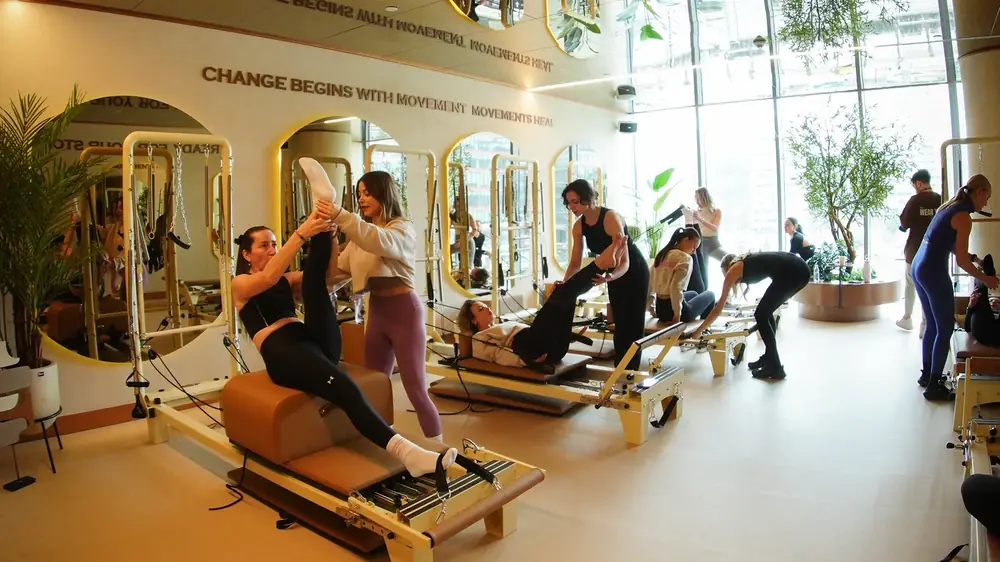
Plant-based athletes need not limit their programme to strength training; they can diversify it with functional work such as Reformer Pilates. The small-group reformer sessions in O'Wellness Beytepe's studio, equipped with Balanced Body machines, develop muscle strength and flexibility together while keeping joint load limited, which makes it easier to balance recovery with a plant-based nutrition plan. Kettlebell and TRX work in the functional area also add variety to the programme.
A gradual approach during the transition
For athletes moving from a diet rich in animal products to a vegan one, a gradual transition is usually more sustainable than a sudden change. First replacing a few meals a week with plant sources and then slowly increasing the proportion gives the digestive system time to adapt to higher fibre intake and gives you time to get to know new recipes and sources. If you notice a clear drop in performance or recovery during this process, it helps to slow the transition and review the plan with your dietitian.
A suggested shopping list
Useful staples for a vegan athlete's kitchen include: a range of legumes such as lentils, chickpeas and dried beans; tofu and tempeh; quinoa and other whole grains; various nuts and seeds; olive oil; plant-based milk and yoghurt alternatives; fresh and frozen vegetables and fruit; and, optionally, plant protein powder. Adapting this list to your weekly menu saves time and makes balanced eating easier.
Performance plateaus and reviewing your nutrition
When vegan athletes hit a long performance plateau, one of the first things to check is whether total calorie and protein intake is adequate. Keeping a food diary for a few days and reviewing actual intake often reveals a gap between what was targeted and what was really eaten. This review gives far more accurate results when done with your dietitian.
Sustainability and long-term success
The real goal of vegan athlete nutrition is to build a way of life that lasts for years rather than a short-term experiment. The plan should therefore suit your tastes, lifestyle and budget, and be something you enjoy sticking to. Overly restrictive or complicated plans are usually abandoned in the long run. Simple, repeatable recipes and a weekly prep routine are among the most practical ways to make plant-based eating a permanent part of daily life; cooking and preparing a few staples in advance one day a week makes balanced eating possible even on busy days.
Frequently asked questions
Can you build muscle mass on a vegan diet?
Yes. With a plan supported by sufficient total calories and a variety of plant protein sources, plus regular strength training, it is possible to build muscle mass.
Is it mandatory to use plant protein powder?
It is not mandatory; the protein target can be reached with a sufficiently varied range of foods. Still, protein powder can be a practical complement.
Which tests should vegan athletes have regularly?
Checking B12, iron, vitamin D and, if needed, zinc levels at regular intervals helps spot possible deficiencies early; we recommend planning this monitoring with your physician.
Is there support for vegan athlete nutrition at O'Wellness Beytepe in Ankara?
Yes. Our dietitian service at O'Wellness Beytepe can prepare a personalised protein plan based on your plant-based dietary preference.
Get in touch to align your plant-based nutrition plan with your strength goals; let's arrange a meeting with our dietitian and a free facility tour.
Related posts
Protein Requirements: A Practical Guide for Strength and Endurance Athletes
How do you calculate your daily protein needs? Practical portion examples, meal distribution and timing tips for people doing strength and endurance training.

Late-Night Eating and Weight: Myth or Fact?
The answer to whether eating at night causes weight gain is less clear-cut than people think. We look at whether the clock or total calories really matters.

Eating Well on Holiday and Business Trips: How to Stay in Shape
Healthy eating while travelling is possible with a flexible but consistent approach. We share practical strategies to help you stay in shape on holidays and business trips.
