
Finding a Training Partner at the Club: A Guide to Social Circles
Social connection is a quiet factor in how long a membership lasts. Here are ways to meet people comfortably at a new club.
Walking into a gym for the first time, it is very common to feel that everyone around you knows each other and you are the stranger. Yet one of a club's strongest features is that it gathers people heading toward the same goal under one roof. In this article we explain why finding a training partner matters, how to do it without forcing anything, and how a social circle forms naturally in a club setting. The club has not opened yet; this article is a guide for thinking about the social side of your routine while preparing for the opening.
Why social connection affects sustainability
People are more inclined to go to a place where someone is waiting for them. The presence of a training partner creates a light but effective sense of responsibility against the thought "maybe I will skip today" on a tired evening. This pressure is not negative coercion but a gentle commitment: a promise to meet someone is easier to keep than a promise you made to yourself.
Another effect of social connection is that it turns training from a mere task into an enjoyable social experience. A short chat after class, an exchange of ideas for next week or familiar faces greeting each other turn a club from a "place" into a "community". This sense of belonging is one of the things that keeps a membership going in the weeks when motivation drops.
Not everyone has to be social
An important note: acquiring a training partner is not a need for everyone. For some people exercise is a quiet time when they disconnect from the outside world, and that is completely valid. Training alone at a club does not reduce the value the club offers you. The goal is not to be pushed into being social; it is for the door to be open if you want it.
Ask yourself: do I get my energy in training from people or from silence? Let your answer guide you. Some people are comfortable in the crowd of group classes, while others like their own rhythm in the strength area during quiet hours. Both preferences are natural parts of club life.
The most natural ways to meet people
Trying to force a conversation often ends up tense. Instead, interactions that develop naturally within a shared context feel more comfortable. The methods below are low-pressure ways of meeting that leave nobody in an awkward spot.
- Attending the same group class regularly: Seeing the same faces on the same day and time each week gradually turns into a natural greeting.
- Short chats before and after class: A small comment while setting up equipment at the studio entrance is often enough.
- Small groups like Reformer Pilates: In classes with few people it is easier to know everyone.
- Club events and workshops: A shared event gives you a ready topic to talk about.
- Through a trainer: You can ask about members with similar goals and request an introduction when appropriate.
The common thread in these methods is repetition. You are not expected to befriend anyone at the first encounter; by the third or fourth time you see the same face, meeting becomes much easier.
How to choose the right training partner
Not every training partnership is productive. A good partner is someone who both motivates you and respects your own plan. Working with someone whose goals and level are close to yours increases both safety and sustainability. Two people working at very different intensities may slow down or push each other too hard after a while.
| Criterion | Good sign | Warning sign |
|---|---|---|
| Schedule | Can come on similar days and times | Keeps changing plans |
| Goal | Goals complement each other | Goals conflict, constant comparison |
| Intensity | Your levels are close | One is constantly struggling or bored |
| Contact | You can speak openly | Critical or overly directive |
| Security | Mutual respect for each other's limits | Encourages pushing past limits |
The last row of the table is especially important. A training partner should motivate you but never pressure you to ignore pain or to take on a load you are not ready for. Everyone's body and limits are different.
Group class and individual training: the social spectrum
In club life, social interaction takes place at different intensities depending on what you do. In energetic group classes such as Total Body, O'Hiit or Step Cardio, the shared energy creates a natural bond. In yoga and mobility classes such as O'Soul, the atmosphere is calmer and connection develops in a more inward, slower way. In the strength area, interaction is usually free and optional.
If you wish, you can use this spectrum deliberately. Adding one or two group classes to your week if you want more social contact, or preferring quiet hours in the strength area if you want solitude, provides a reasonable balance. You can design your own balance by looking over the weekly schedule.
Club manners and respectful interaction
When building social ties, respecting others' training space is the basic rule. If someone is working with headphones and focus, waiting for another moment is a kinder choice than interrupting. A brief greeting or smile between sets is often enough; the time after training is better for longer conversations.
Not keeping others waiting with long chats at equipment, avoiding the urge to instruct someone who did not ask, and not giving unsolicited advice are also parts of respectful interaction. If you want to help someone, simply asking "would you like help?" first is a sufficient and right approach.
Shyness and first-day nerves
Feeling shy in a new environment is entirely natural. Anxiety about being judged on body image, clothing or level is very common, especially in the first weeks. The truth is that most people in the club are focused on their own training and think about their own set more than watching others. This awareness noticeably lightens the burden of the first day.
- Start by choosing a quieter time of day; getting used to the new environment becomes easier.
- In your first classes, arrive a few minutes early and calmly set up the equipment and your place.
- If you have a question, do not hesitate to ask the trainer or the team at reception; this is also the first step of meeting people.
- Set small goals: for example, greeting one person this week.
If social anxiety seriously limits your life, know that it is not limited to the gym and consider getting support from a specialist if needed. The club environment can be supportive, but it does not replace medical or psychological support.
Connecting with the team: trainers and welcome
Remember that the club's social circle does not consist of members alone. Trainers, specialists and the welcome team are also part of the club community. Having someone who knows you by name, knows your goal and notices your progress noticeably increases the warmth of membership. This connection is also a valuable source of advice and encouragement.
For this reason, in the first weeks do not hesitate to tell the team your goals, ask your questions and give feedback. A good club is glad to listen to its members' needs. For information about our trainer team you can look at the trainers page.
Preparing for social life at O'Wellness Beytepe
O'Wellness Beytepe has not opened yet; an introduction invitation for founding members before the opening is planned very soon. An invitation like this can be a good chance not only to see the facility but to meet the first faces. People who leave a founding membership pre-registration will be informed of this invitation; the exact date and details are shared closer to opening.
If you want to start with your partner, friend or colleagues, mention it in the pre-registration conversation. O'Padel Beytepe in the same complex can also offer chances to meet socially beyond training. That way your social circle does not have to stay limited to the gym floor.
Is going to the club alone awkward?
No, most members train alone. Coming alone is completely normal and familiar faces form on their own over time.
What should I do to find a training partner?
Attending classes regularly at the same day and time, having short chats before class and joining club events are the most natural ways.
If we come together, must we attend the same class?
No. Attending different classes and meeting at the exit is also an option. What matters is setting up the arrangement that is most productive and comfortable for you.
Is there a chance to meet before the club opens?
An introduction invitation before opening is planned for people who leave a founding membership pre-registration. The date and details are shared closer to opening.
What if motivation drops with a training partner?
Instead of blaming each other, discuss the goal and schedule again. If needed, attending different classes and meeting at the club exit also keeps the relationship sustainable.
Finally, let social ties develop over time. In the first weeks you may have few familiar faces; this is not a shortcoming of the club or of you. As you come regularly, people who meet at the same hour in the same class form a community. Being patient is the most important ingredient of this process and it pays off in a short time.
A training partner and social circle are not a required part of membership but a bonus that quietly strengthens sustainability. Meet people at a level that fits your own rhythm, do not rush and keep interactions respectful. Over time a familiar face can be the best motivational tool.
Related posts
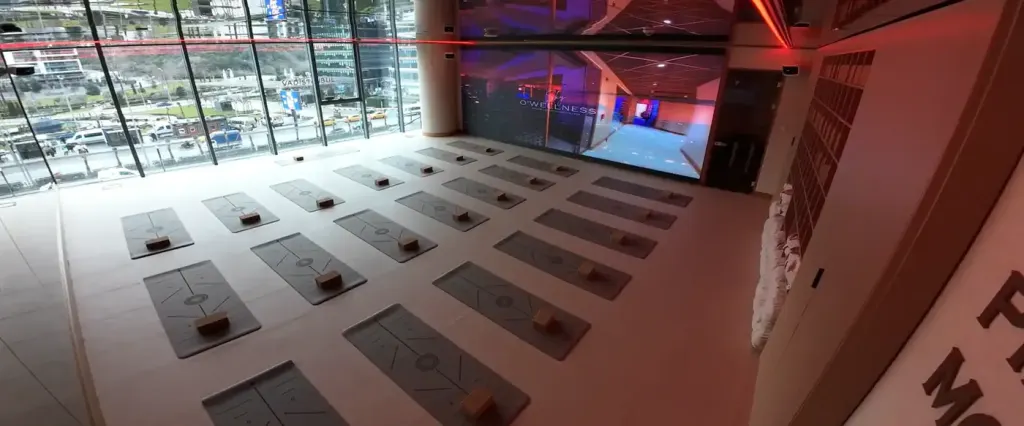
Member Events: Workshops, Challenges and Community
Beyond the class schedule, workshops, challenges and community meet-ups enrich the membership experience. We explain why these events matter and how they are planned at O'Wellness Beytepe.
Club Location Matters: How to Find a Distance That Fits Your Routine
Travel time is the least discussed yet most decisive factor in a membership decision. Here is how to work out the distance that fits your routine.
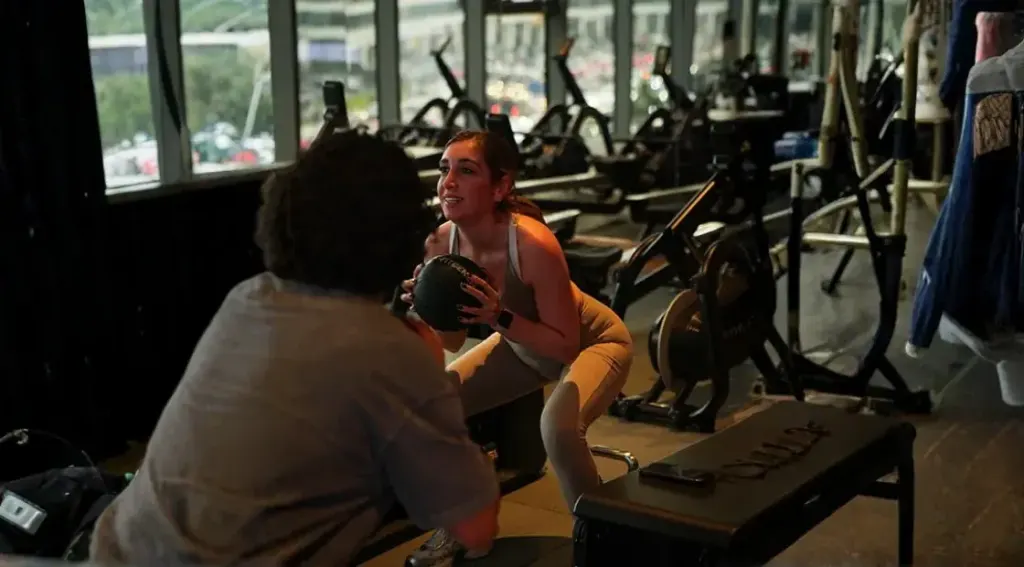
Corporate Gym Membership: Benefits for Employees in Çayyolu and Along the Eskişehir Road
What is corporate gym membership and what does it offer companies and employees? A practical guide for offices around Çayyolu, Beytepe and the Eskişehir road.
