
How to Do a Romanian Deadlift (RDL): A Hinge Guide for Hamstrings and Glutes
The RDL is one of the most effective ways to learn the hip hinge and strengthen the posterior chain. We walk through setup, technique, common errors and progressions.
The Romanian deadlift, or RDL, is a strength movement performed by pushing the hips back, strengthening the posterior chain: hamstrings, glutes and the muscles around the lower back. Unlike a conventional deadlift, you lower and raise the weight in a controlled manner rather than lifting it from the floor. Since it is also an excellent movement for beginners to learn the hip hinge, in this article we explain Romanian deadlift technique in simple steps.
For members training on the O'Wellness Beytepe fitness floor in Ankara, this movement is also valuable for waking up the hips and posterior chain after long hours at a desk. If you have complaints such as back or leg pain, ask a specialist before starting.
Which Muscles Does the RDL Work?
The main working muscles are the hamstrings and the gluteus maximus, the glutes. The back muscles around the lower spine work isometrically to hold the spine neutral, while the forearms and upper back help keep the weight close to the body. So the RDL trains not only the legs but the whole posterior chain in coordination.
Its difference from the squat is that there is little knee bend and a lot of hip travel backwards. So the quadriceps take less load and the hamstrings more. This balance makes it a complement to your leg training.
Step-by-Step Setup and Technique
Set your feet hip-width apart and feel the weight mid-foot. Start with the barbell or dumbbells held in front of the thighs. Draw the shoulders back and down, keep the chest open, look slightly towards the floor with the neck neutral. Soften your knees slightly and keep that bend nearly constant throughout.
In the lowering phase, push your hips back as if touching a wall behind you. Keep your back flat as the weight slides close to your legs. When you feel a stretch in the hamstrings, usually around mid-shin level, stop. Then drive the hips forward to stand and lightly squeeze the glutes at the top.
- Feet hip-width, knees slightly bent.
- Shoulders back, chest open, spine neutral.
- Push the hips back; do not drive the knees forward.
- Keep the weight close to the legs.
- Stop and rise without losing control of the movement.
Common Mistakes
The most common mistake is bending from the lower back and rounding the spine. This can overload the lumbar region. The solution is to shorten the range and first practise the hinge feeling without weight. Increase your range of motion calmly.
Other mistakes include bending the knees too much and turning it into a squat, letting the weight drift away from the body, lifting the neck, and starting too heavy. Looking sideways in a mirror or recording the movement with your phone is an easy way to see your errors. A single check by a trainer is often enough.
Variations: Dumbbell, Barbell and Single-Leg
The dumbbell RDL is the easiest entry for beginners, as the weights slide comfortably along the legs. The barbell RDL allows heavier loading. The single-leg RDL trains balance and hip stability; you can learn it with light weight and, if needed, a light touch on something for support.
The kettlebell RDL is also a good tool for learning the technique. Whichever variation you choose, movement quality comes first and load second. One or two RDL sessions a week are a sufficient start for most goals.
Sets, Reps and Progression
A good starting frame is 3 sets of 8 to 12 reps. Spreading the lowering part of each rep over two or three seconds helps control and muscle development. If your technique breaks down at the end of sets, the load is too heavy.
Progress first by increasing reps, then through small load increases. Adding a light week every four to six weeks helps recovery. If you have an injury history, set your programme with a specialist.
Differences Between the RDL and the Conventional Deadlift
In the conventional deadlift the weight starts from the floor on every rep, the knees bend more and the leg muscles contribute more to the movement. The extra strength needed to lift the weight from the floor each rep makes the movement more tiring and technically demanding. The RDL keeps the weight in the hands under constant tension, which keeps the hamstrings and glutes working for longer and creates a far more controllable environment for people just learning the hip hinge.
For many people, therefore, the RDL is a natural bridge to the deadlift. Learning the hinge feeling in the RDL first and then moving to pulls from the floor improves both safety and technical quality. Some programmes include both: conventional deadlift on a heavy day and RDL on a light day.
Common Questions and Points to Watch
What should I do if I do not feel it in the hamstrings? Often the cause is not pushing the hips back far enough or bending the knees too much. Slowing the movement and aiming the hips towards a wall helps you find the feeling. What if I feel fatigue around the lower back? Reduce the load, shorten the range and keep the core braced. If you have persistent pain, stop training and see a health professional.
Are straps, belts or gloves necessary? At beginner level they are usually not needed; if grip is the weak link, straps can help, but developing grip strength is also valuable. As for footwear, flat, firm-soled shoes or bare feet usually give a more stable base for most people.
Warm-Up and Programme Placement
Before the RDL do a short warm-up for hips and spine: cat-camel, glute bridges and unweighted hinge reps are a good start. In a programme it is usually placed on lower-body days after big movements such as the squat.
In a weekly programme you can use the RDL on lower-body or full-body days. If you train two days a week, for example, a squat-priority day and an RDL-priority day spread the load evenly. Mild hamstring soreness the day after training is normal, but soreness that makes walking difficult may show that the volume was too high. In such cases, reducing the number of sets and allowing time for rest is wise. Sleep, adequate protein and regular water intake are simple but effective habits that support recovery. In short, with patience and regular practice the RDL is a movement that will add strength to both daily life and other sports.
If you want support with your strength work at O'Wellness Beytepe, our trainers are glad to check your technique and to set the right weight and set structure with you. With a patient, regular approach, the RDL builds the foundation of a strong posterior chain and makes everyday movements easier too.
Related posts
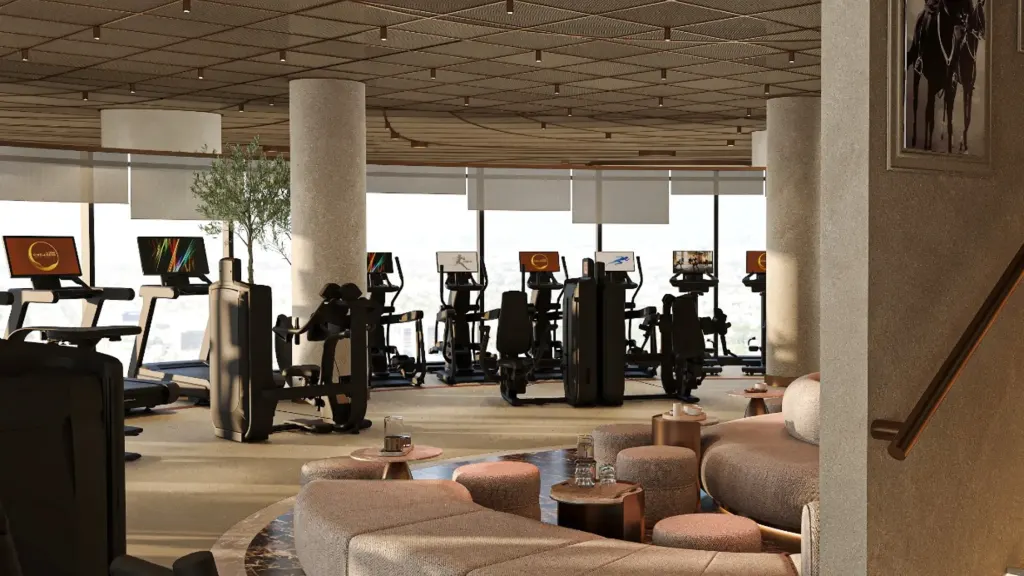
How to Hip Thrust: Setup and Technique Guide for Glute Strength
The correct hip thrust setup, common mistakes, variations and programme placement: train the glutes with the glutes, not the lower back.

An Efficient 45-Minute Workout Plan for Busy Professionals
A strength program that trains the whole body in 45 minutes, planned minute by minute from warm-up to cool-down and built around a busy work schedule.
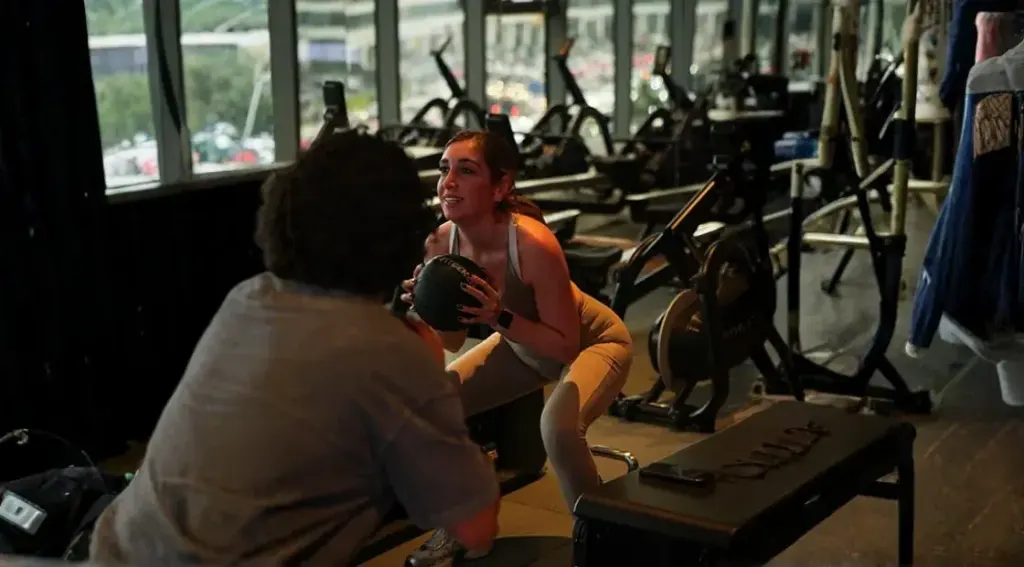
Keeping a training log: the simplest way to measure progress
A training log turns guesswork into measurable progress. Here is what to record, which format to choose and how to read your numbers.
