
Cardio Kickbox: The Benefits of Martial Arts-Based Cardio
What is cardio kickbox, which muscles does it work and who is it for? We explain the Cardio Kickbox class at O'Wellness Beytepe and a weekly plan.
Performing punch and kick combinations back to back to music attracts far more people than walking at a steady pace on a treadmill, and cardio kickbox sits right at the centre of that appeal. At O'Wellness Beytepe the class is called Cardio Kickbox, and it delivers the fundamental moves of combat sports without any real contact, in a format focused entirely on cardiovascular fitness and muscular strength.
What is cardio kickbox and how does it differ from a real combat sport?
Cardio kickbox is based on repeating punches, kicks and defensive moves taken from boxing and kickboxing to a rhythm, without an opponent or the aim of fighting. While the main goal in a real combat sport is technique and competition, the goal of a cardio kickbox class is to deliver a high-calorie, full-body cardio workout. Participants mostly move against the air in a shadow format; some sessions may also use punch bags or pads.
Which muscles does it work?
Cardio kickbox is one of the few group classes that engages the upper and lower body almost equally. Punches work the shoulders, chest, back and arms, while kicks heavily use the glutes, quadriceps, hamstrings and calves. Moves requiring trunk rotation keep the abdominal and lower back muscles constantly active. This broad muscle involvement makes the class effective for both cardiovascular capacity and muscular endurance.
Cardiovascular health and calorie burn
The fast, continuous repetition of punch and kick combinations raises the heart rate quickly and keeps it high throughout the session. For this reason, cardio kickbox has been reported to burn more calories than steady-state cardio formats. What is more, mental demands such as remembering combinations and keeping to the tempo improve coordination and reaction speed at the same time.
Structure of a Cardio Kickbox class at O'Wellness Beytepe
A typical session has four phases: warm-up, technique block, main combination section and cool-down. In the main section, the coach teaches punches (jab, cross, hook, uppercut) and kicks (front kick, side kick, spinning kick) in combinations, which are then repeated in time with the music.
| Section | Duration | Content |
|---|---|---|
| Warm-up | 5–8 min | Joint mobility, light punch and kick rehearsals |
| Technique block | 5–8 min | Teaching basic punch and kick techniques |
| Main combinations | 20–25 min | Repeating combinations to the music tempo |
| Cool-down | 5–7 min | Bringing the heart rate down, hip and shoulder stretches |
The class minute by minute
In the first five minutes the heart rate is raised gradually and the shoulder and hip joints are prepared for movement. Next, the basic guard stance and punch and kick techniques are practised at a low tempo. In the main section, combinations become more complex and the tempo increases; for example, a four-strike sequence is repeated first slowly and then to the beat. In the final section the pace drops and static stretches target the hip and calf muscles that take the most load during kicks.
Common mistakes
- Locking the knees fully: locking the knee of the standing leg during kicks puts unnecessary load on the joint; keeping it slightly bent is safer.
- Bending the wrist when punching: not keeping the wrist straight on impact can lead to wrist discomfort over time.
- Neglecting trunk rotation: keeping the torso still and striking only with the arm or leg reduces power and loads the lower back.
- Holding the breath: holding your breath instead of exhaling on the strike raises blood pressure unnecessarily and speeds up fatigue.
- Sacrificing form for tempo: compromising movement quality to keep up with the music increases injury risk.
Level variations
Beginner level
For beginners, the priority is learning the basic stance and movement form. Kicks can be kept low, combinations simplified and the tempo slowed down.
Intermediate level
Once familiar with the basic moves, combinations get longer, kick height is raised gradually and the tempo is fully matched to the music.
Advanced level
For experienced participants, more complex combinations, jumping transitions and higher-tempo sections can be used; at this level total workload and coordination demands rise significantly.
Who is cardio kickbox for, and who is it not for?
Cardio kickbox appeals to a wide audience looking for a balanced cardio and strength stimulus. However, people with knee, hip or shoulder replacements, acute joint injuries or balance problems must consult their doctor before starting. Full-intensity participation is also not recommended without medical approval in later pregnancy or after recent surgery. Anyone with a history of cardiovascular disease should get medical advice before joining high-tempo sections.
Cardio kickbox and stress management
The physical outlet provided by punches and kicks stands out as a stress reliever for many participants. Turning the tension built up during the day into physical movement has been reported to be satisfying in terms of both mental relief and physical fatigue. Music matching the tempo and the energy of the group amplify this effect further, something often mentioned by people coming to an evening class from Çayyolu or Ümitköy after a busy working day.
Fitting cardio kickbox into your weekly schedule
For someone wanting to develop cardio and strength in balance, a sample week might look like this: Monday Cardio Kickbox, Tuesday core work with Mat Pilates, Wednesday strength training with Total Body, Thursday a second Cardio Kickbox session, Friday Mobility & Stretching, and at the weekend a light O'Ride Cycle class or full rest. It is important to give the hip and calf muscles time to recover after intense kicking work.
How is progress measured?
Progress in cardio kickbox can be tracked through indicators such as performing the same combination more fluidly and quickly, improved kick height and balance, and a gradual decrease in fatigue at the end of the session. Regular participants usually notice within a few weeks that they can perform combinations from memory and sustain a high tempo for longer.
Equipment and studio details
At O'Wellness Beytepe, Cardio Kickbox classes take place in areas offering plenty of room to move, such as the O'Rise studio or the functional zone; the exact location may vary with the schedule. Some sessions may use boxing gloves, pads or bags, while others are completely equipment-free in shadow format.
Tips for preparing for your first Cardio Kickbox class
- Eat a light meal at least an hour before class.
- Use wraps for wrist and ankle support if needed.
- Keep your kicks low in the first few classes and prioritise form.
- Increase your water intake before and after class.
- Muscle soreness after class is normal, but tell the coach if you feel joint pain.
The Cardio Kickbox experience at O'Wellness Beytepe
At our club in the Yaka Beytepe complex on Kanuni Sultan Süleyman Boulevard, Cardio Kickbox is part of the O'Wellness group class programme. You can see current days and times on the weekly schedule page and find out at reception which classes are included in your membership. To compare formats, take a look at our group classes page, and you can complement your conditioning programme with sports physiotherapist or dietitian support, offered as part of our private services.
Comparison with other cardio formats
The key feature that sets cardio kickbox apart from other cardio formats is its high demand for coordination and reaction speed. While formats such as O'Hiit, Tabata or Step Cardio are generally repetition-based, cardio kickbox adds an important mental component through remembering combinations and keeping to the tempo. Those interested in martial arts but preferring one-to-one training can also use our Martial Arts private service.
Adapting to age and fitness level
Because resistance does not depend on equipment and intensity can be set by personal tempo, cardio kickbox can be adapted to a wide age range. For middle-aged and older participants, keeping kicks low, replacing jumping transitions with low-impact alternatives and adding short rests during tempo peaks reduce joint load while maintaining an effective cardio stimulus. For young and active participants, lengthening combinations or extending tempo sections is a way to raise the challenge. People with balance issues may be advised to stand near a wall or fixed point during kicks.
Supporting cardio kickbox with other services
For those wanting the best results from cardio kickbox, using complementary services makes sense. Our sports physiotherapist can assess your movement patterns and suggest safe variations if you have shoulder or knee sensitivity. For regular cardio kickboxers, Reformer Pilates sessions can improve kicking technique by supporting trunk stability and hip mobility. Dietitian support helps you balance your nutritional needs after intense cardio training. Planned alongside group classes, these services create a holistic training experience.
Benefits for posture and balance
Kicking while standing on one leg regularly challenges balance and proprioception, the ability to sense the body's position in space. Such single-sided balance work is thought to help the body react faster to sudden movements in daily life. The upright posture held in the guard position also requires the abdominal and back muscles to stay active, which over time can support better postural awareness.
Frequently asked questions
Is cardio kickbox a real combat sport?
No. Cardio kickbox is a group class format that uses the basic moves of combat sports to a rhythm, without an opponent, to provide a cardio and strength stimulus.
Which muscles does cardio kickbox work?
Punches work the upper body, kicks the lower body and trunk rotation the abdominal and lower back area, so it counts as a full-body workout.
Can someone with no combat sports experience join?
Yes. The class requires no combat sports background; the basic moves are taught by the coach in the first class.
When are Cardio Kickbox classes at O'Wellness Beytepe?
Current days and times are on the weekly schedule page; the club is open 06:00–23:00 on weekdays and 08:00–23:00 at weekends.
I have a knee or hip problem; can I do cardio kickbox?
Because kicks use the hip and knee joints intensively, you must consult your doctor before starting if you have an existing joint problem.
To try Cardio Kickbox with a free trial session, fill in the contact form; we look forward to seeing you in Beytepe.
Related posts
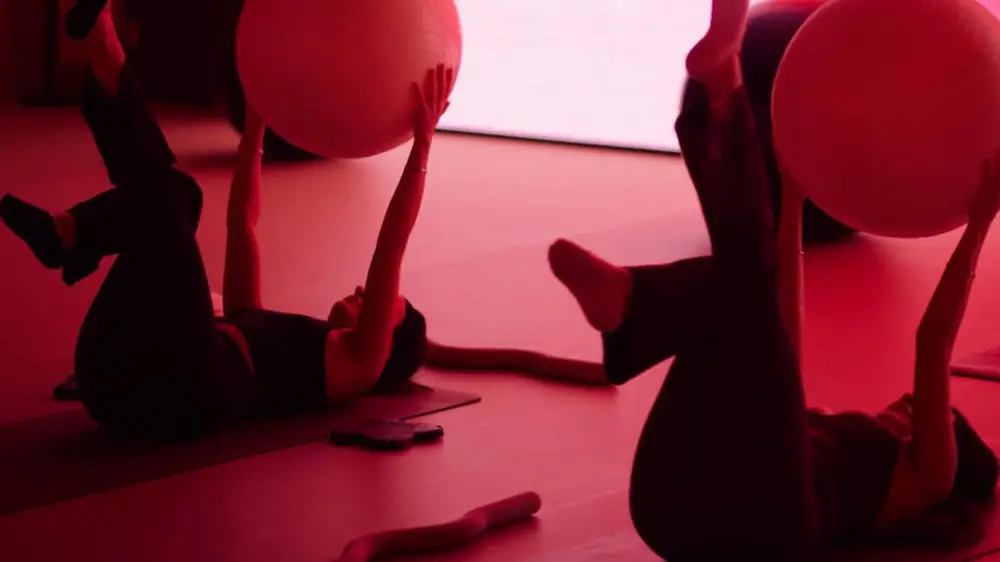
The 5 Best Group Classes for Beginners
Choosing a group class as a beginner should follow a gradual approach that puts movement quality first. We look at the 5 best classes to start with at O'Wellness Beytepe.
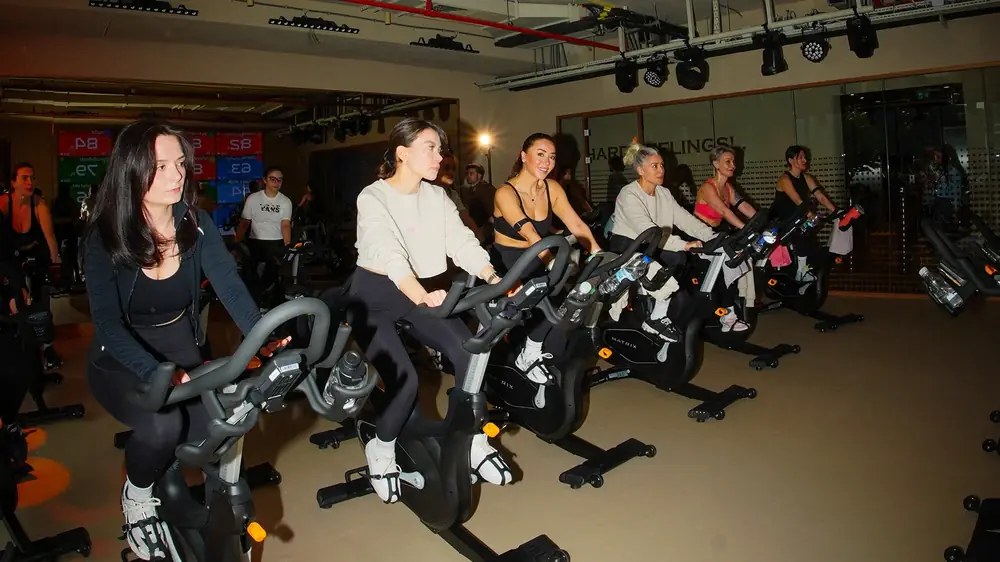
What Is Indoor Cycling (Spinning)? What Happens in O’Ride Classes?
What is indoor cycling, how does an O'Ride class unfold and who is it for? Get to know the cycle classes in the O'Rise studio at O'Wellness Beytepe.

Group class or personal training? A comparison by goal and budget
Choosing between group classes and PT depends on your goals, budget and motivation style. We look at both approaches at O'Wellness Beytepe in terms of cost, flexibility and results.
