
Seasonal Training Plan for Ankara: Spring, Summer, Autumn and Winter
A flexible annual training framework for Ankara's four seasons: spring base, summer consistency, an autumn block and winter strength.
Ankara has the typical traits of a continental climate: summers are hot and dry, winters are cold, and spring and autumn are changeable. These seasonal shifts directly affect your training plan, energy and motivation. The same program and habits do not suit every part of the year, but making small seasonal adjustments is the most practical way to train consistently all year. This guide offers a flexible annual framework for the four seasons.
Seasonal logic: why think in annual terms?
Many people make big plans in January and collapse at the first heat or cold wave. Thinking annually breaks that cycle. Every season has a natural advantage: spring suits outdoor movement, summer suits early-hour training, autumn suits new routines and winter suits indoor strength work. When you build these advantages into your plan, weather stops being an obstacle.
| Season | Main focus | Key opportunity | What to watch for |
|---|---|---|---|
| Spring | Cardio base, outdoors | Good days for walking and running | Sudden weather changes, not skipping the warm-up |
| Summer | Lighter volume, recovery | Early-hour training | Heat, fluid loss, midday sun |
| Autumn | Start of a strength block | Building a new routine | Shorter daylight |
| Winter | Strength and mobility | Indoor routine | Warming up in the cold, motivation dips |
Spring: rebuilding the base
For those who trained strength indoors all winter, spring is a good time to build the aerobic base. Adding two or three medium-pace walks or easy runs per week can improve fitness while preserving your strength gains. In Ankara, well-known green areas such as Lake Eymir and the METU forest are widely used for outdoor activity.
The most common spring mistake is suddenly loading high volume onto a body that was inactive in winter. Increase weekly walking or running time gradually and watch how your body responds at each step. If joint or muscle pain lingers, reduce the load; if you feel a persistent problem, consult your physician.
- Keep strength sessions at 2 - 3 days per week.
- Add cardio on separate days or in short blocks rather than only after strength sessions.
- Increase total time in small steps each week.
- Dress in layers against sudden weather changes.
Summer: training in harmony with the heat
Ankara summers can be dry and hot. Intense outdoor training at midday adds to heat stress. In this period it makes sense to shift training to early morning or the cool of the evening, or to work in enclosed, climate-controlled spaces. Adequate fluid intake and light clothing are the basic precautions.
The goal in summer is not new records but keeping consistency while lowering volume slightly. When holidays or travel interrupt the program, continue with short bodyweight sessions and walks. If you notice dizziness, extreme fatigue or nausea, stop, rest somewhere cool and seek medical support if needed.
Autumn: starting a new strength block
For many people autumn is a natural restart: schools open, work pace picks up, routines are rebuilt. Use that chance to begin an 8 - 12 week strength block. At the start of the block focus on technique in the basic movements, then raise the load gradually.
- Weeks 1 - 2: Learn technique with light loads, 2 - 3 sets.
- Weeks 3 - 6: Increase load in small steps, keep reps in the 6 - 12 range.
- Weeks 7 - 8: Raise intensity and do a check-in test.
- Week 9 onward: If needed, recover with a light week and plan a new block.
In autumn daylight begins to shorten. It is a good idea to schedule training before daylight ends or to prepare the shift to an indoor routine.
Winter: indoor strength and mobility
Winters in Ankara are cold and outdoor activity can become difficult. This period is ideal for indoor strength work. In cold weather muscles and joints take longer to warm up, so keep the warm-up to at least 8 - 10 minutes and ramp the load gradually in the first sets.
The biggest winter risk is a motivation dip. Dark mornings and cold evenings make the bed and sofa tempting. Fixed-time group classes or an appointment with a training partner create discipline in this period. Controlled movement formats such as mobility and Reformer Pilates can help loosen a body that stiffens in the cold.
A plan B for bad-air and rough-weather days
On some days rain, ice, thick fog or high temperatures may make outdoor training unsuitable. A plan B prepared in advance removes indecision on those days. Keep it simple: a single indoor session, a 30-minute strength circuit or a short routine you can do at home.
- Decide the indoor equivalent of your outdoor session in advance.
- Change the format of a planned session instead of skipping it.
- If you have respiratory sensitivity, talk to your physician about outdoor intensity.
- Check the weather the day before.
Constant principles that work all year
Even as the seasons change, some principles stay constant: two or three strength sessions a week, a warm-up every session, enough sleep, regular nutrition and slow progression. If these foundations are in place, seasonal adjustments are only fine-tuning. If they are missing, no seasonal plan will rescue you.
Seasonal planning at Yaka Beytepe
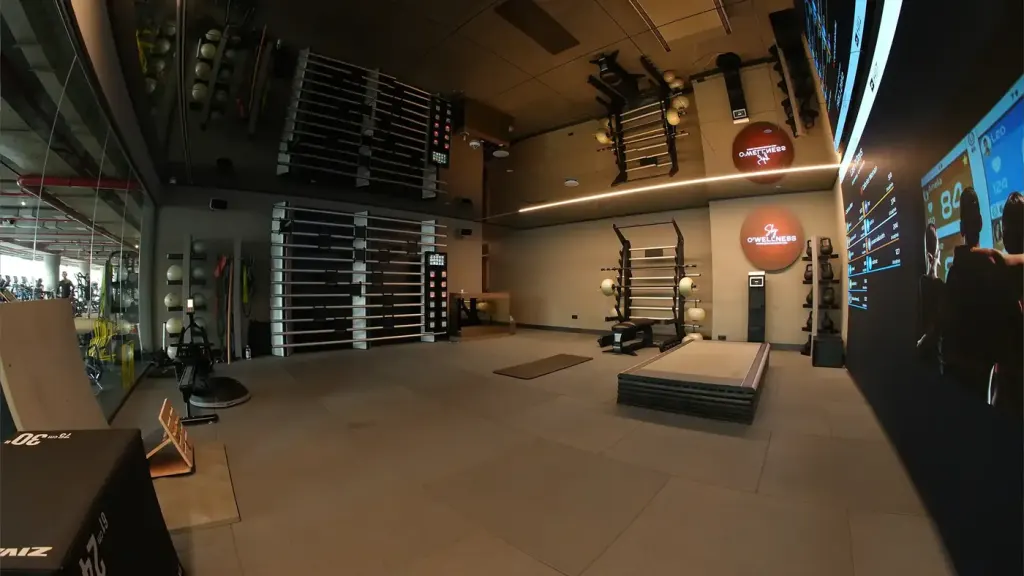
O'Wellness Beytepe is getting ready to open in the Yaka Beytepe complex, and opening is very soon; there is no exact date yet. Founding membership pre-requests are being accepted. The club will have a strength and cardio area, a functional area, a Reformer Pilates studio, and the O'Soul (yoga, mat pilates, mobility) and O'Rise (total body, HIIT, cycle, booty) studios. This variety lets you keep your plan going indoors whatever the weather.
O'Padel Beytepe will offer another way to stay active through racket sports. For recovery, you can add in-club options such as sleep, nutrition and a Mobility & Stretching class to your routine.
Annual calendar and goal checkpoints
Splitting the year into four blocks lets you break your goals into small checkpoints. At the start of each season do a brief review: how many sessions did you complete in the last three months, which movements progressed, in which months did motivation drop? These notes ground the next season's plan in real data.
- Count your total sessions at the start of each season.
- Record progress in one strength movement.
- Pick a single main goal for the next three months.
- Note difficult periods and plan precautions for next year.
Holidays, festivals and travel periods
Several times a year your routine will be interrupted: public holidays, summer vacation, business trips. Rather than seeing these breaks as failure, treat them as part of the plan. Preparing a short hotel-room or bodyweight routine before travel makes restarting easier on return. A one-week break does not reset your fitness much; returning slowly and consistently is enough.
After long breaks, starting the first week at roughly half of your old loads and building up with small weekly increases is a sensible approach. This lowers muscle soreness and injury risk and preserves motivation.
A common mistake in seasonal planning is to treat each season as a separate project starting from zero. Yet seasons connect: strength gained in winter supports running in spring, and consistency maintained in summer carries into the autumn block. Seeing this continuity reduces motivation loss at seasonal transitions.
Keep the seasonal plan simple: writing one main focus, two backup habits and a plan B for each season is enough for most people. The more complicated the plan, the easier it is to abandon at the first disruption.
What time of day should I train in Ankara summers?
For most people the early morning or the cool of the evening is more comfortable. Avoid intense outdoor training in midday heat, drink plenty of fluids and rest if symptoms appear.
Should my program change in winter?
The basic structure can stay the same, but lengthening the warm-up, moving indoors and giving a little more room to mobility is sensible.
How should I move through seasonal transitions?
Change volume and intensity gradually rather than abruptly. A lighter transition week helps your body adapt to the new conditions.
Can I follow a seasonal plan if I have a health condition?
Yes, but personalize the plan with your physician and, if needed, a trainer or sports physiotherapist.
Done right, Ankara's four seasons mean variety rather than obstacles for your training. Base in spring, consistency in summer, a new block in autumn, strength and mobility in winter: this simple cycle keeps you moving all year. To join the pre-opening introduction at Yaka Beytepe you can leave a founding membership pre-request.
Related posts

From Çayyolu, Ümitköy and Bilkent to Yaka Beytepe: A Premium Club Just Minutes Away
A local guide for residents of western Ankara to the fitness, reformer pilates and group class options at O'Wellness Beytepe in Yaka Beytepe, with travel tips and plan ideas.

Gym Guide to Beytepe: Fitness, Reformer Pilates and Group Classes at Yaka Beytepe
A local guide for people living or working in Beytepe, Çayyolu, Ümitköy and İncek: gym selection criteria, transport and parking, opening hours and what O'Wellness Beytepe offers.
Running Routes Around Beytepe and How to Combine Them with Strength Training
A weekly plan, seasonal tips and the complementary facilities of O'Wellness Beytepe for combining running routes around Beytepe with strength training.
