
Choosing Group Classes During Your Period: Yoga, Pilates and Alternatives
Which group class feels more comfortable on period days? A flexible, body-listening guide to choosing among yoga, pilates and other formats.
Adet günleri herkes için aynı hissettirmez. Bazı kişiler normal programlarını sürdürürken, bazıları daha sakin ve yumuşak hareketleri tercih eder. Adet döneminde grup dersi seçerken amaç, kendinizi zorlamadan hareket etmenin ve topluluk enerjisinden faydalanmanın yolunu bulmaktır. Bu yazı genel bir rehberdir; şiddetli ağrı veya olağandışı belirtiler yaşıyorsanız hekiminize danışın.
Ask your body first
Before choosing a class, briefly assess how you feel that day: your energy, any sensitivity in the abdomen, your sleep and your mood. This assessment takes seconds but makes choosing the right class easier. If your energy is good, continuing with your familiar class may be fine; if it is low, you can switch to a gentler format.
There is no single right choice for every day. When you track how you feel over a month, you may find a pattern unique to you. This pattern helps you plan your classes in advance and reduces last-minute indecision.
Remember that choosing to go to class and doing fewer movements in it is also an option. Sometimes simply being in the room, breathing on the mat and being around familiar people feels good in itself.
Yin and restorative yoga
Yin and restorative yoga classes, made of long-held, ground-level and soft postures, are a soothing option for many people on period days. Props such as bolsters, blocks and blankets support the body and make room to relax without straining the muscles. Their breath-focused structure also brings mental calm.
If you tell your instructor about your situation, they can offer alternatives to postures such as those that press on the abdomen or inversions. Some people prefer to avoid inversions; this is entirely a personal decision and not everyone needs to do the same.
The quietness on the mat in these classes also empties the mind after intense academic days. The lightness felt at the end of class can be a small but real support in coping with that day's discomfort.
Mat pilates and reformer classes can be practiced on period days thanks to their controlled tempo, breath connection and low-impact movements. The springs and sliding carriage give gentle support to joints. If you feel discomfort in parts that work the abdominals intensely, it is possible to reduce the movement or switch to a lighter variation.
In a reformer class the spring setting can be tailored to you, so you can lower the load according to your condition that day. This flexibility is a great advantage for those who want to do the same class at a slightly different intensity each month.
A two-sentence conversation with your instructor before class lets the session proceed in a way that suits you. This is a healthy way of expressing your own needs instead of acting timidly.
When are higher-tempo classes suitable?
If you feel energetic, there is generally no problem with joining high-tempo group classes. Dance-based classes, conditioning classes or circuit workouts can be enjoyed on period days as well. What matters is listening to your body's feedback and lowering intensity if necessary.
- Leave the class if you feel dizziness, extreme fatigue or severe cramps.
- Do not forget to drink water; fluid loss can increase the sensation of cramping.
- If jumping movements cause discomfort, choose the low-impact version.
- Do not compare yourself with others; everyone's condition that day is different.
These signs are natural signals that your body needs rest. Slowing down in the middle of class or stepping aside to catch your breath is nothing to be embarrassed about.
Comfort and practical details
Choosing comfortable, non-restrictive clothes for class and keeping your own supplies in your bag reduces anxiety. Preferring dark-colored bottoms gives some people confidence. These small preparations reduce the things you have to think about in the middle of class and make it easier to focus on the movements.
A light snack and water before class support your energy level. A hot-water bottle can be a simple helper for those who want to relax after a yoga class. Allowing time to rest before and after class in the group class areas of O'Wellness in Beytepe also makes the experience more comfortable.
Finally, skipping a class when you need to is also an option. Consistency matters, but you do not have to perform the same every day.
Rating your energy from one to five before going to class simplifies the decision process. At a one or two, yin yoga, restorative or gentle stretching classes can be considered. At a three, controlled and low-impact options such as mat or reformer pilates are suitable. At a four or five, continuing your normal program is often possible. This rating is not a rule but a tool for asking yourself; over time you may choose the right class intuitively without even rating.
If you apply this method for a month with notes, you can see which days are harder for you. For example, if low scores repeat on certain days of the month, placing gentle classes in advance on those days makes the plan easier. This advance planning reduces the morning worry of what to do today and raises the chance of actually going to class.
Small touches that ease discomfort
A ten-minute light walk or a warm drink before class helps muscles relax in some people. A warm shower or light stretching after class can extend the feeling of relief. These practices are not a medical solution but simple habits that increase personal comfort, and they may not work equally well for everyone.
Listening to your body during class is already one of the basic principles of yoga and pilates. To tell whether a movement suits you, look at your breath: if your breath is catching or your face is tense, it is time to make the movement smaller. Instructors are familiar with such adaptations and generally happy to offer alternatives.
Community and not being alone
On period days some people want to withdraw. Group classes are an easy way to maintain a connection with a gentle community even then. Moving together with others without having to talk in the room reduces the feeling of loneliness. Especially in intense academic periods this small social contact can be valuable.
Joining the calmer classes of O'Wellness in Beytepe can open a space for students and academics to empty the mind at the end of the day. When you find your own rhythm, group classes can be used as a support for you in every phase of your cycle.
You do not need to apply the same class in the same way every month; flexibility is the key to a long-term routine. Spending one month with calm classes and returning to higher-tempo classes the next is a natural part of respecting your body's needs. The aim is not to fit yourself into the class but to adapt the class to yourself.
Finally, talking about the menstrual period is often seen as taboo, whereas open communication makes it easier to get through this period more comfortably. Talking with instructors, friends and health professionals provides both information and support. Normalizing your own experience helps you build a calmer relationship with your body.
The few minutes you set aside for yourself after class are important too. A warm drink, a light walk or simply sitting quietly can reinforce the relaxation the class provides. These small breaks can be seen as part of the kindness you show your body on period days.
Frequently Asked Questions
Should inversions be done during your period?
There is no clear rule on this and opinions differ. Many people prefer to avoid them because they feel uncomfortable. Decide according to how you feel and consult your physician if necessary.
Do I have to tell the instructor about my situation?
It is not mandatory, but giving a short note makes it easier for the instructor to offer suitable alternatives. You can do this without going into as much detail as you like.
Should I go to class if I have a lot of pain?
With severe pain, resting may be the right choice. If pain exceeds the usual level or recurs every month, it is important to see your physician.
Related posts

A weekly group class combination for weight loss
There is no single miracle class for weight loss, but there is a weekly mix of strength, cardio and recovery. We build a sample plan from the O'Wellness Beytepe timetable.
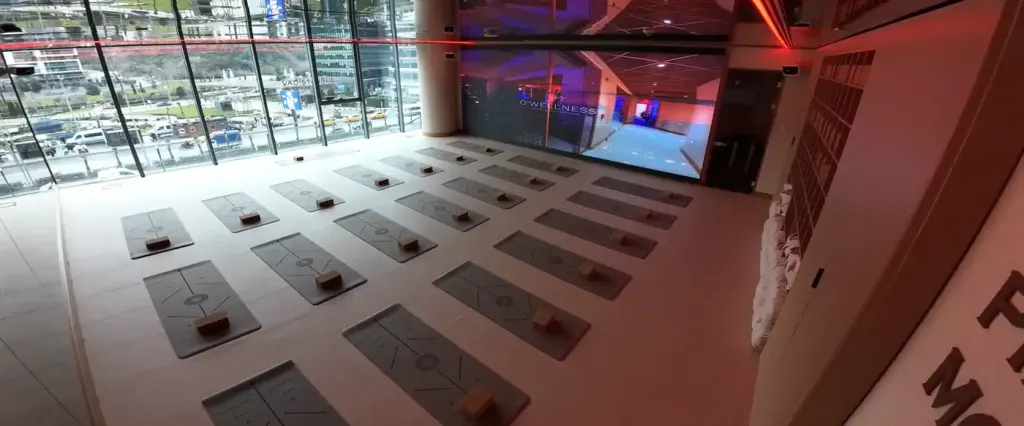
Choosing Your Spot in a Group Class: Front Row or Back Row? Finding the Right Place in the Studio
Where you stand in the studio affects how much you get from the class and how comfortable you feel. We look at front, middle and back rows, with tips for beginners.
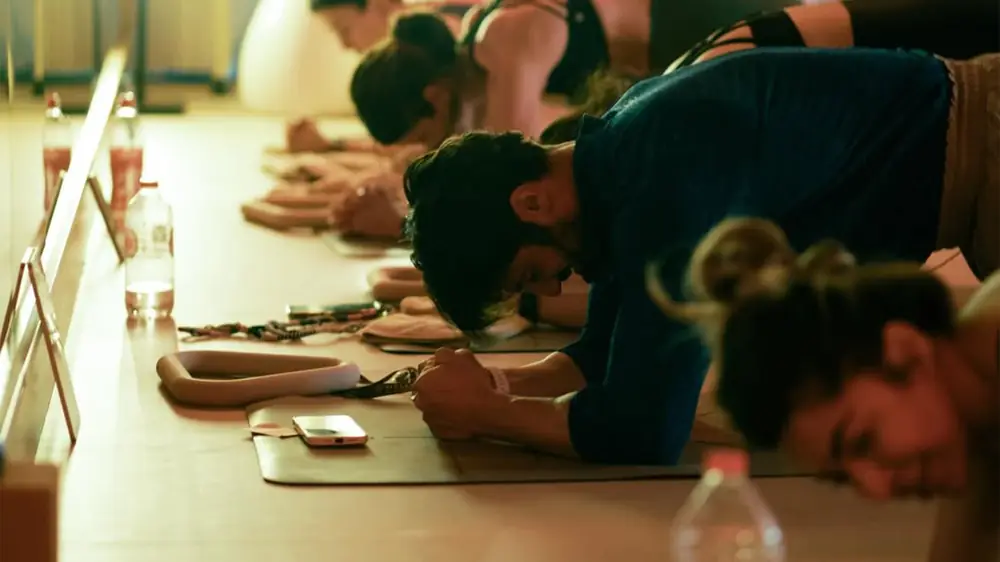
Crunch & Core: Ab Myths and Real Core Training
Do 100 crunches a day reveal your abs? Through the Crunch & Core class in Ankara Beytepe we explain ab myths and what real core training looks like.
